
I only had time to explore only a little bit of all that Old Montreal has to offer, but even that brief glimpse left a lasting impression on me. During the time that I did have to wander, I felt like I was transported straight to Europe. The charm of the cobblestone streets and the antique buildings give the area a distinctly European vibe, making it an inviting and picturesque neighborhood. It is an extremely walkable area, filled with vibrant cafés, art galleries, and lively street performers that add to the ambiance. I took a leisurely walk down Rue Saint Paul E and loved exploring the unique shops, stunning architecture, and historic churches that line the streets. Each step revealed new treasures, from quaint boutiques to mesmerizing facades, capturing the essence of the city’s rich history and culture, and making me eager to return for further exploration.
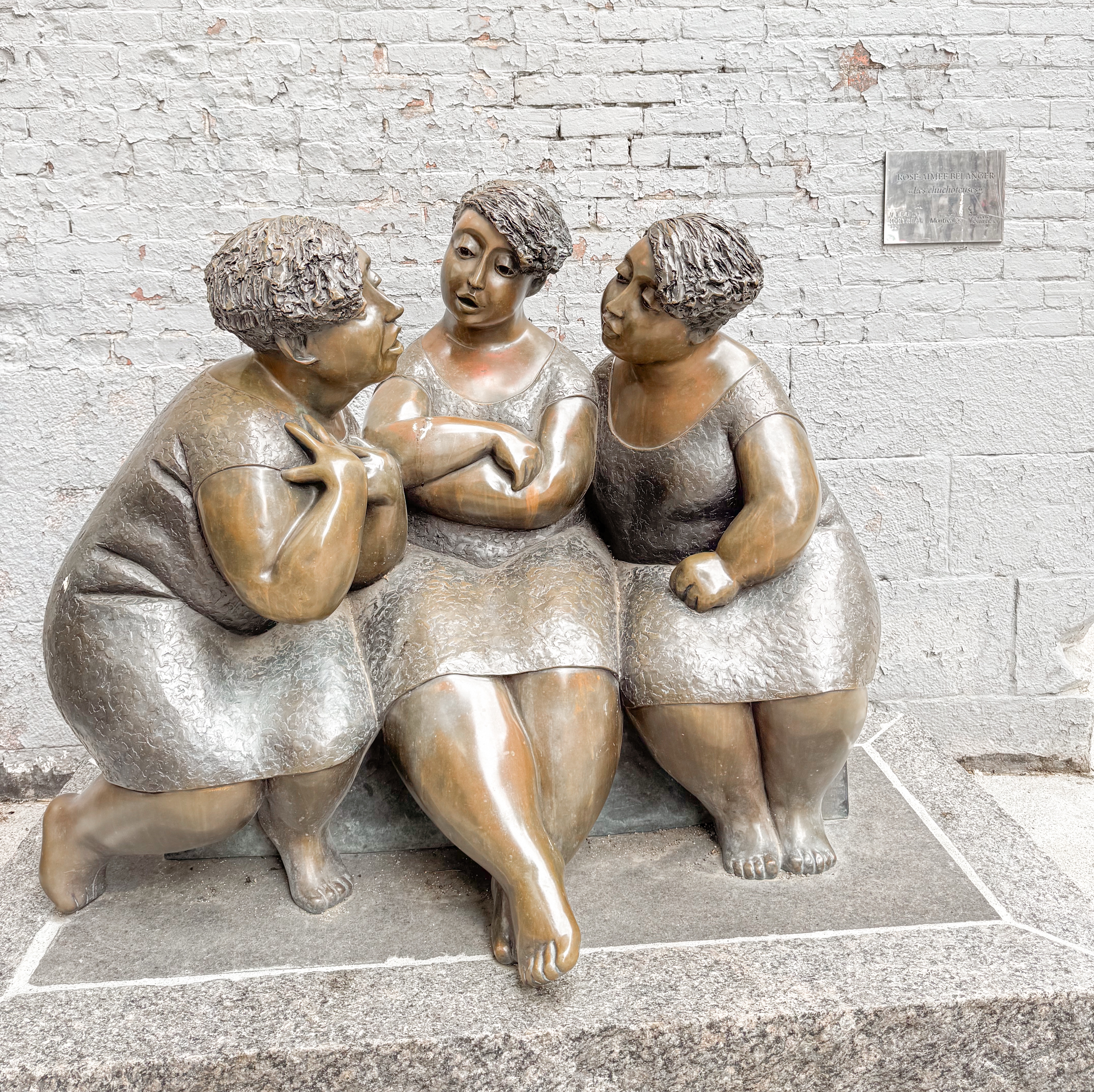
Les Chuchoteuses (The Gossipers)
Loved this bronze statue located on Rue Saint Paul in Montreal. It was installed in 2002 and has since become a treasured piece of art in the vibrant neighborhood. I have fond memories of sitting there, imagining conversations with my friends as we shared laughter and reflected on life. The statue captures a unique essence that draws people in, inviting them to pause and appreciate its intricate details. The artist, Rose-Aimée Bélanger, skillfully crafted this work, blending both modernity and tradition, and giving us a beautiful representation of our shared experiences and emotions. Each visit feels like a new encounter, as the statue continues to inspire both locals and visitors alike.

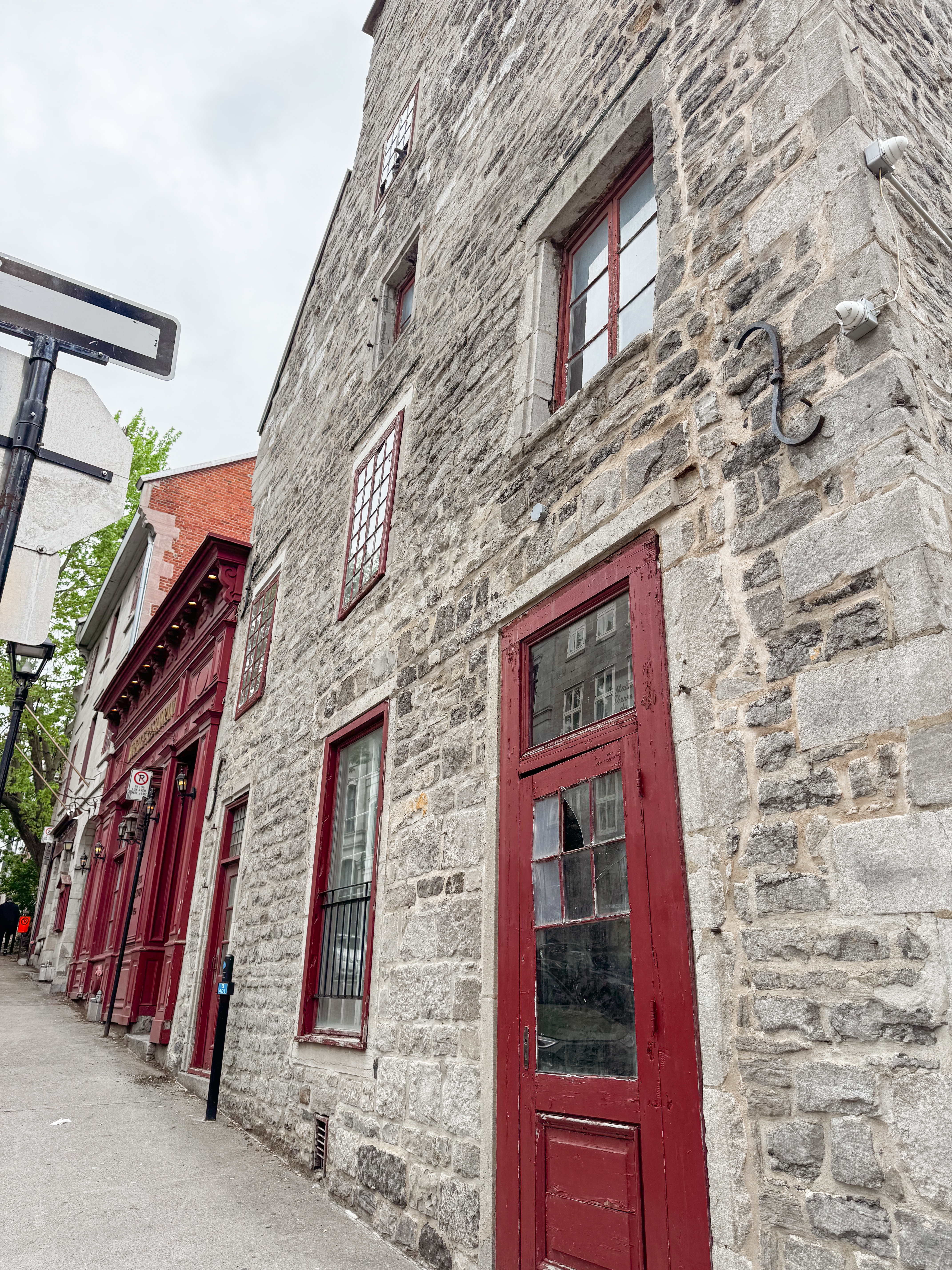
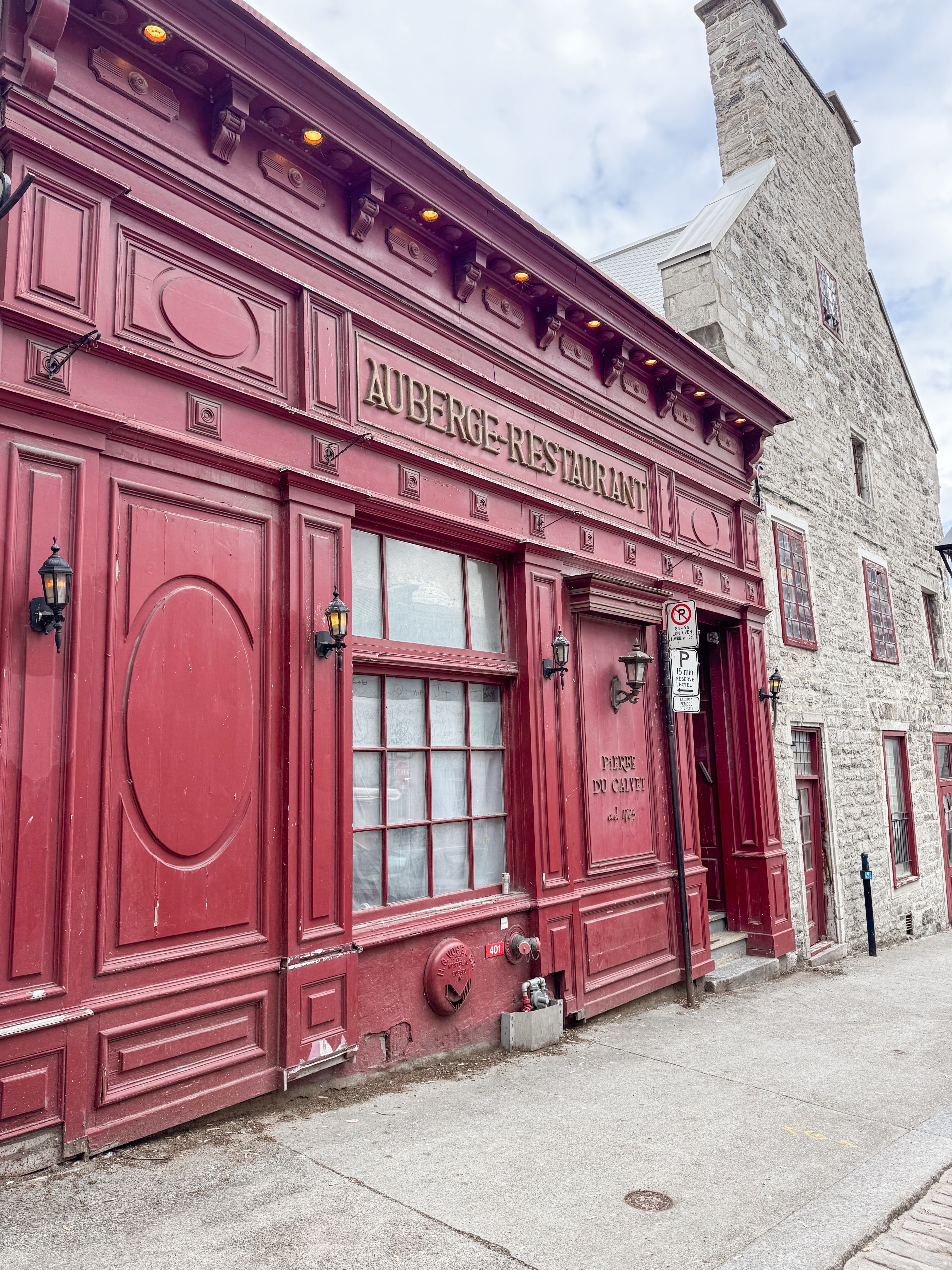
The buildings in the area are giving me small French town vibes, with their charming facades adorned with colorful window boxes overflowing with blooming flowers. Cobblestone streets wind through the neighborhood, inviting leisurely strolls as the scent of freshly baked baguettes wafts through the air. Each corner reveals a quaint café where the locals gather to share stories over steaming cups of espresso, enhancing the overall ambiance of warmth and community that characterizes these delightful villages.

Market Bonsecours
When I first passed the Market Bonsecours, I wasn’t sure what it was because there were a lot of Montreal Police outside, which added an air of mystery and curiosity to the scene. The space, known for its vibrant atmosphere, functions as both an event venue and a hub for a variety of stores and restaurants, making it a popular destination for locals and tourists alike. The blend of culture, commerce, and community gatherings truly makes Market Bonsecours a lively focal point in the heart of the city, where one can experience the charm of Montreal.
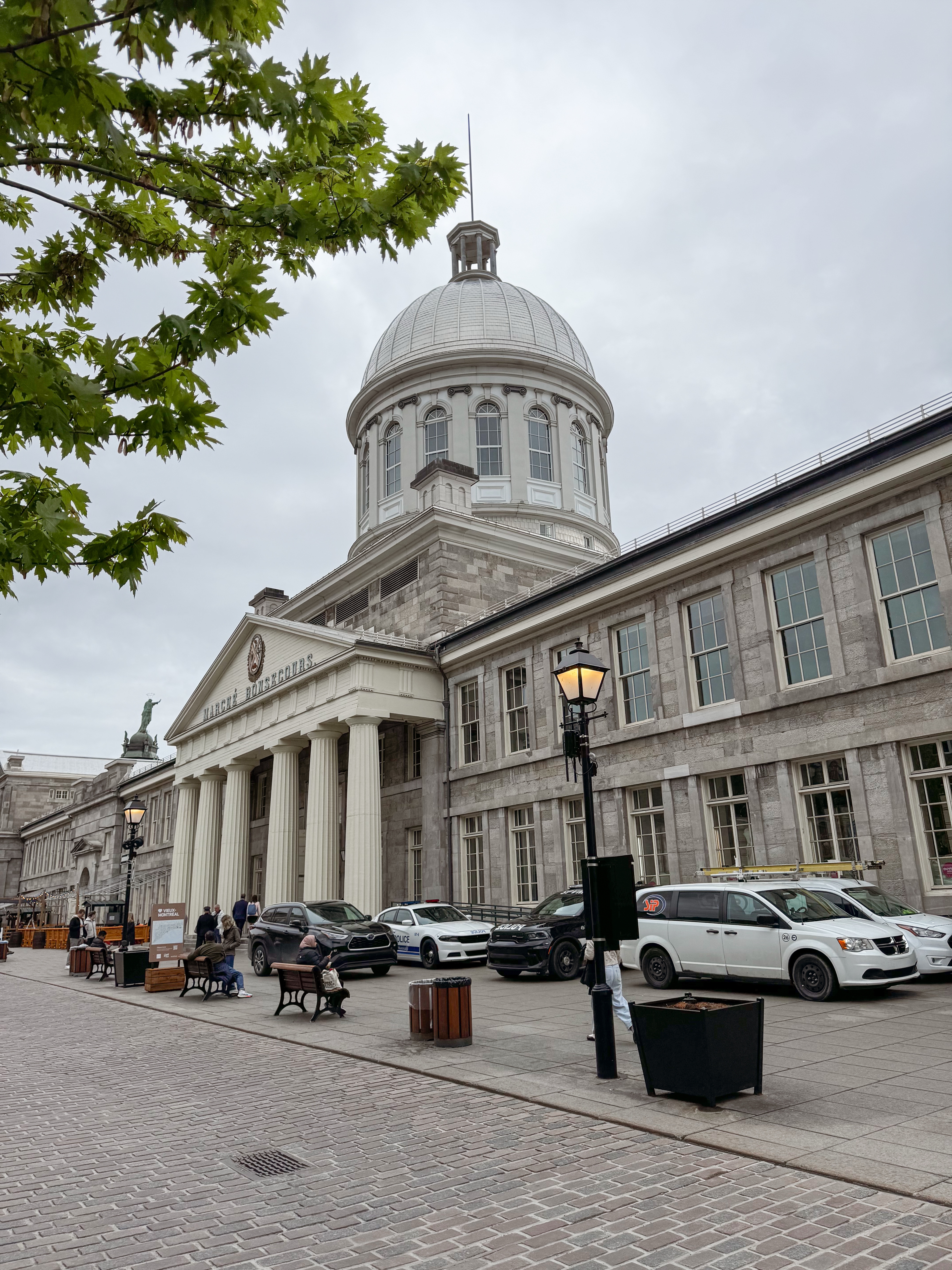

Even on rainy day’s Old Montreal is beautiful.

Notre-Dame-de-Bon-Secours Chapel
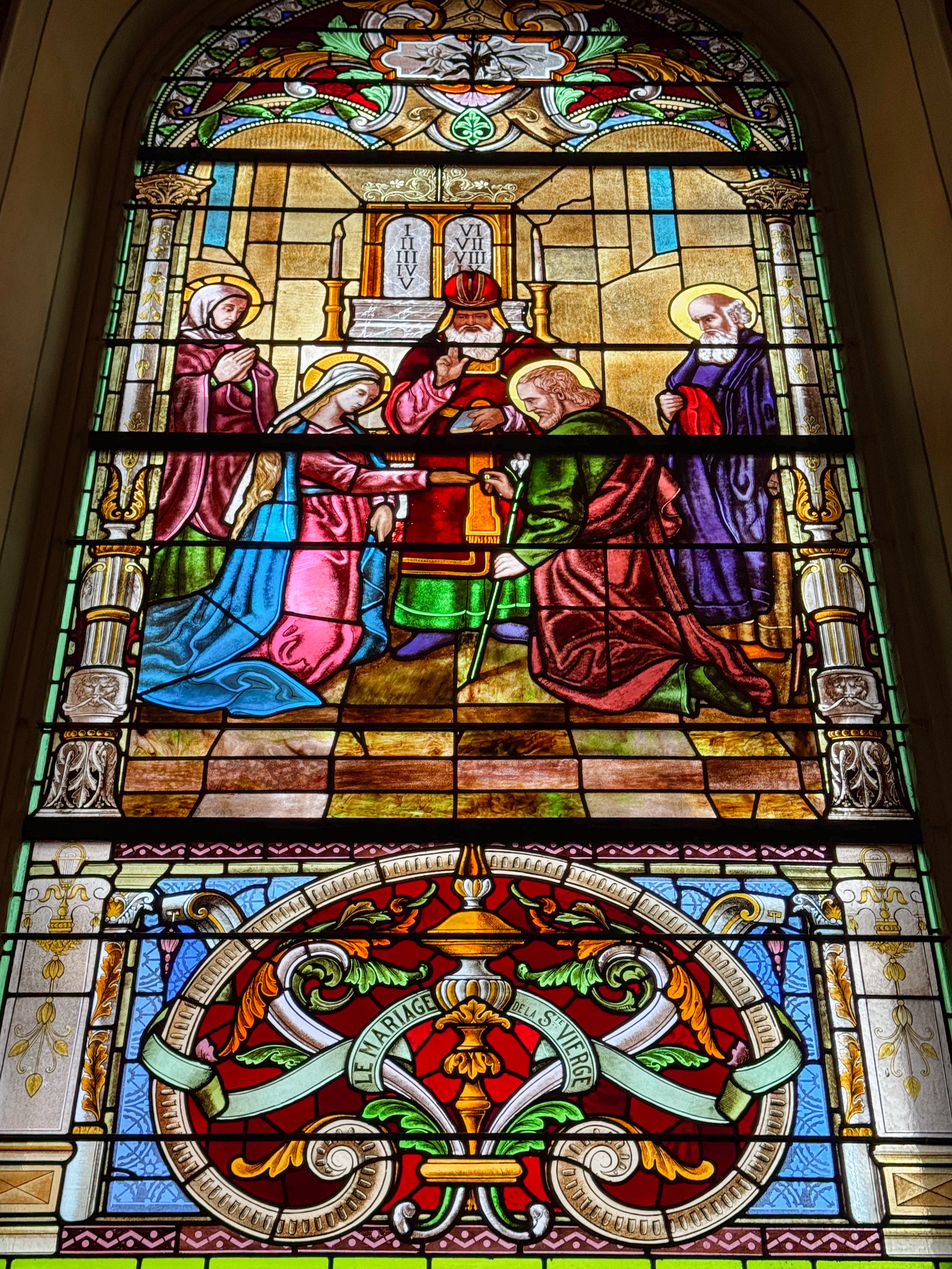
The beauty and peace can be felt as soon as you enter Notre-Dame-de-Bon-Secours Chapel, a remarkable sanctuary that envelops visitors in its serene atmosphere. It is the oldest stone church in Montreal and celebrated its 250th anniversary in 2023, marking a significant milestone in its rich history. During the 19th Century, it became affectionately known as the sailors’ church, as it served as a place of solace and hope for those embarking on perilous maritime journeys. The chapel’s interior is adorned with boats hanging gracefully from the ceiling, a heartfelt tribute to the seafaring community and their devotion. Each boat tells a story of adventure and prayer, contributing to the unique ambiance of the space. It is so beautiful, and I loved visiting not just for its aesthetic significance but also for the profound sense of history and spirituality that permeates the air. Marguerite Bourgeoys, the founder of Montreal’s first school for girls, is buried in the chapel, her legacy deeply intertwined with the spirit of the community and exemplifying the important role women have played in the city’s development.

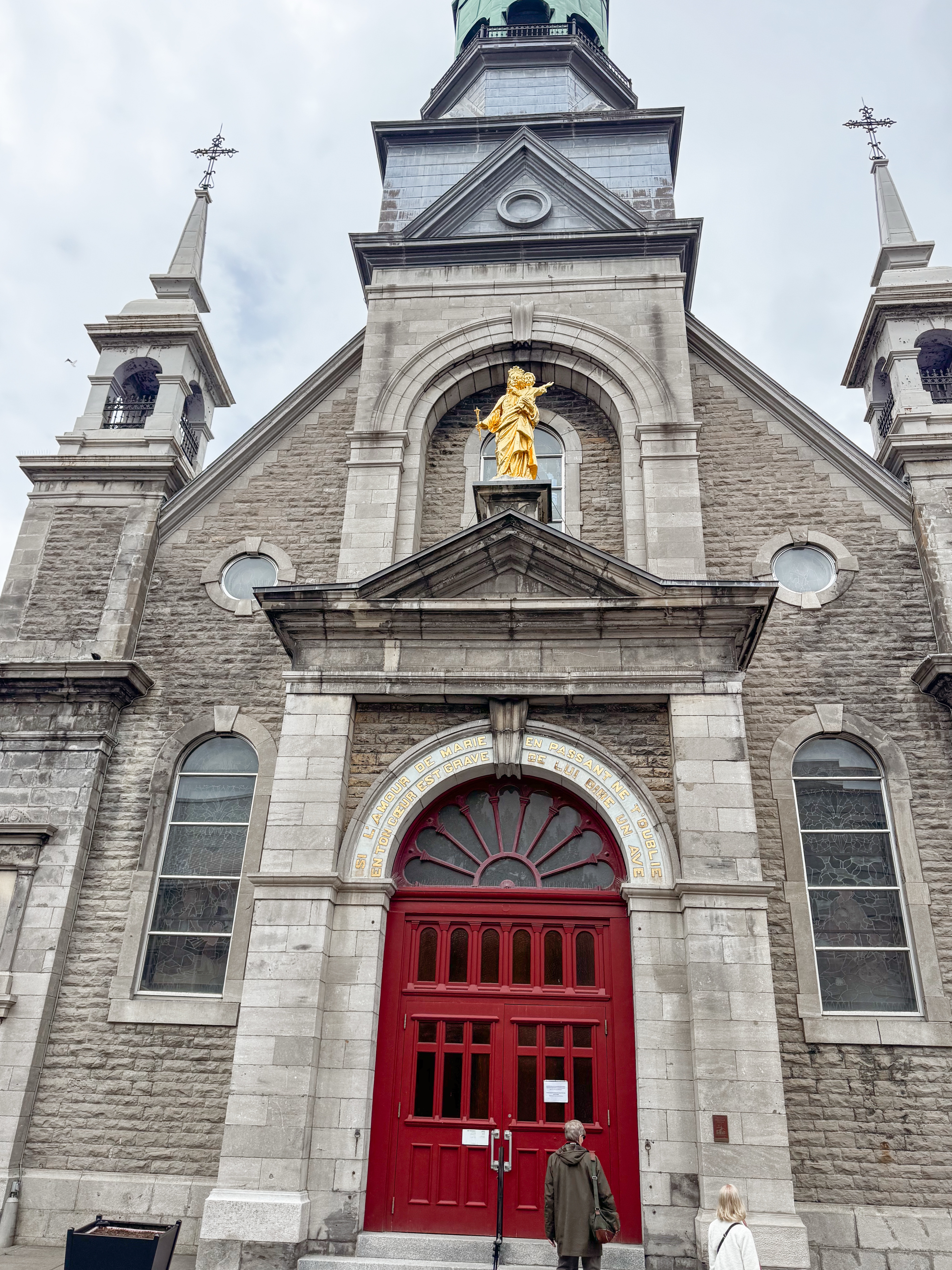

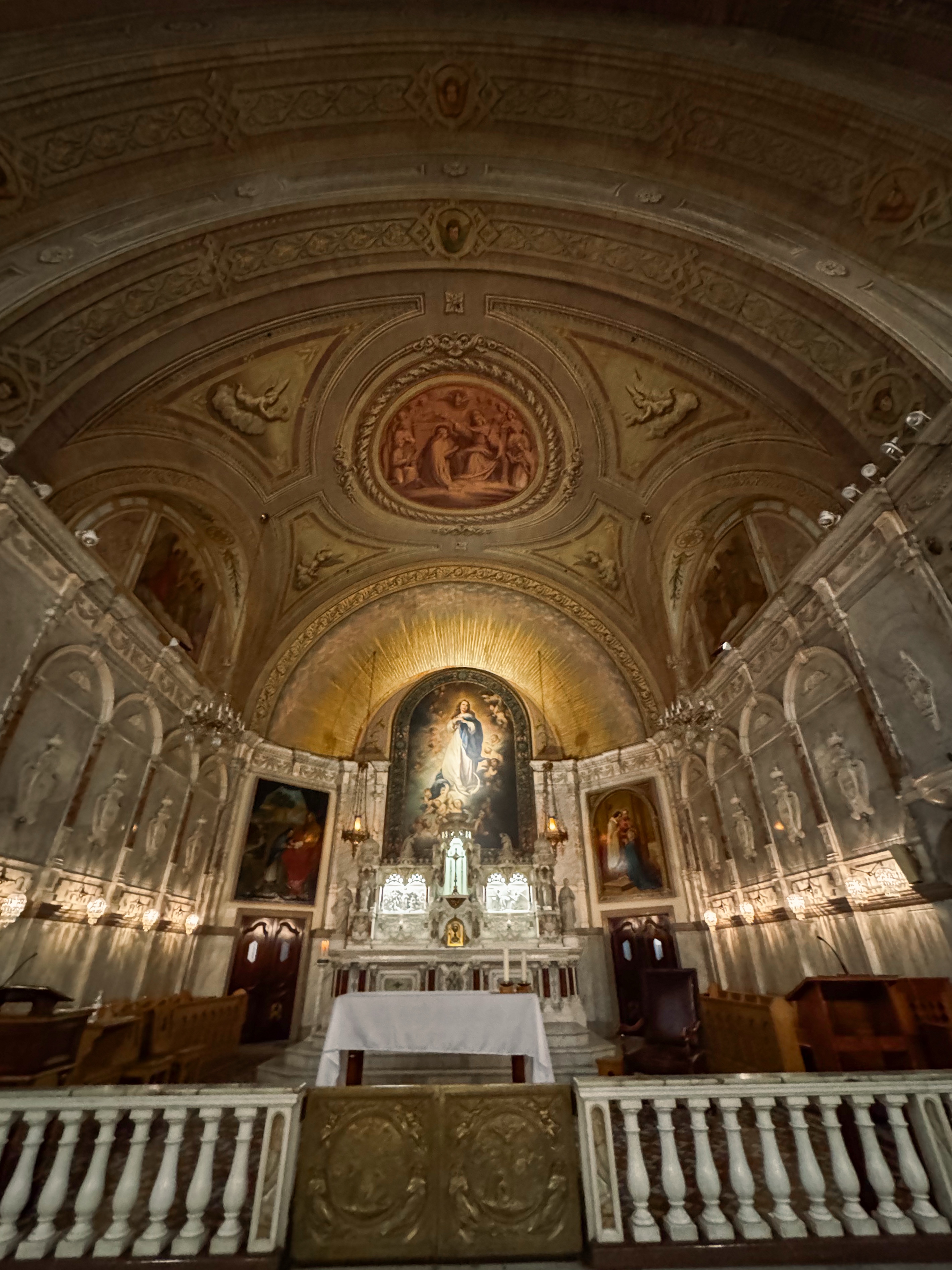


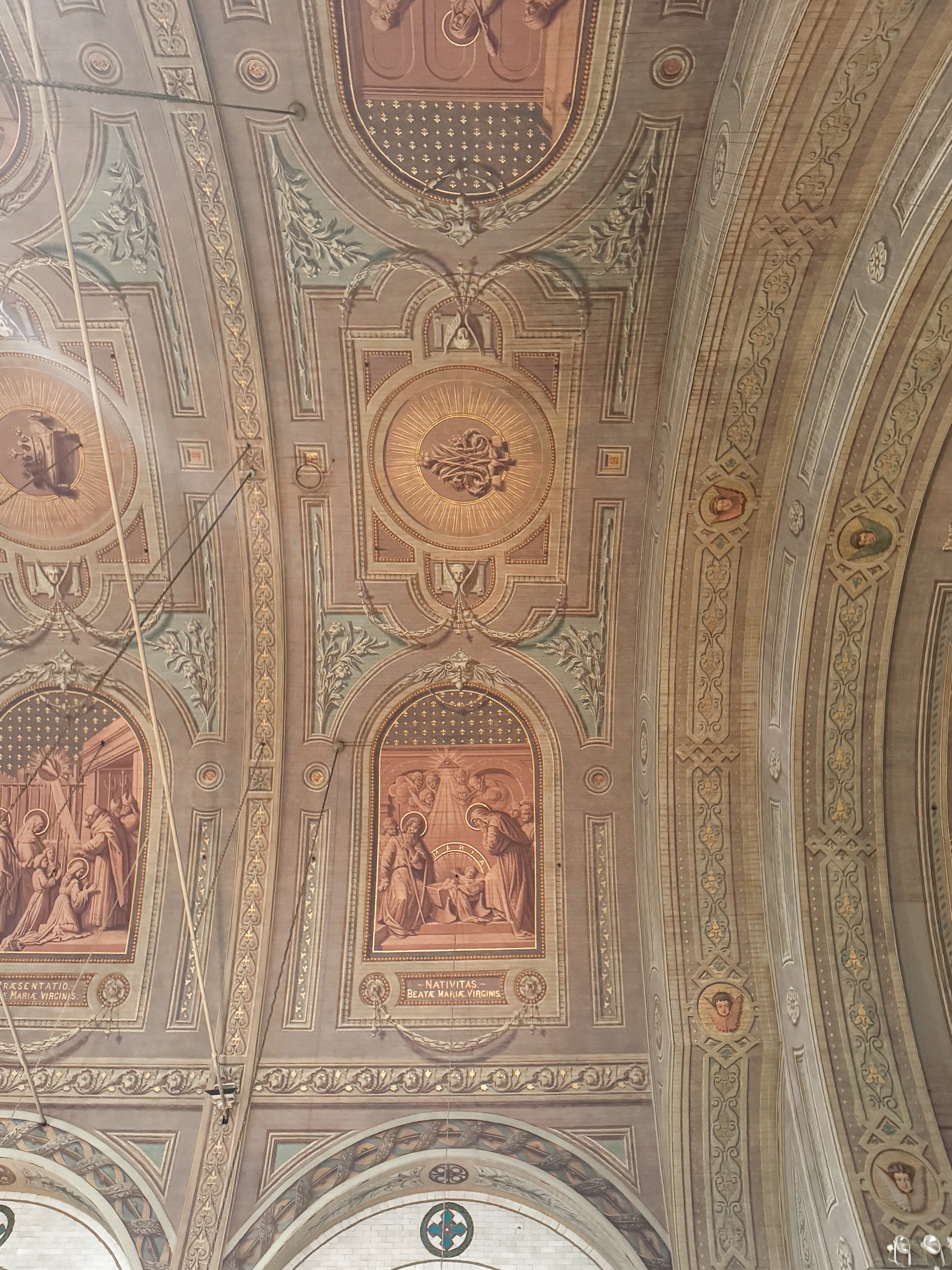
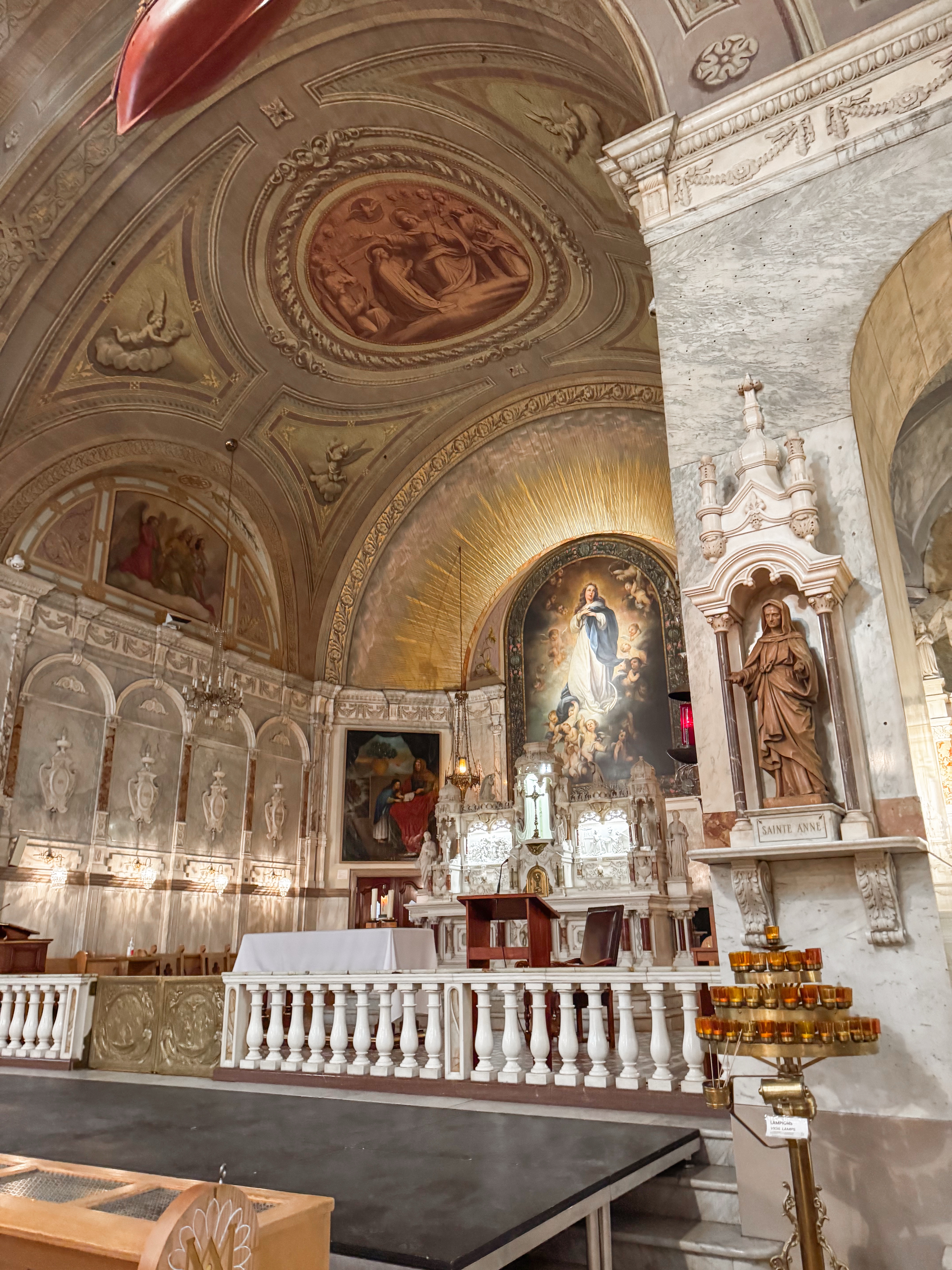
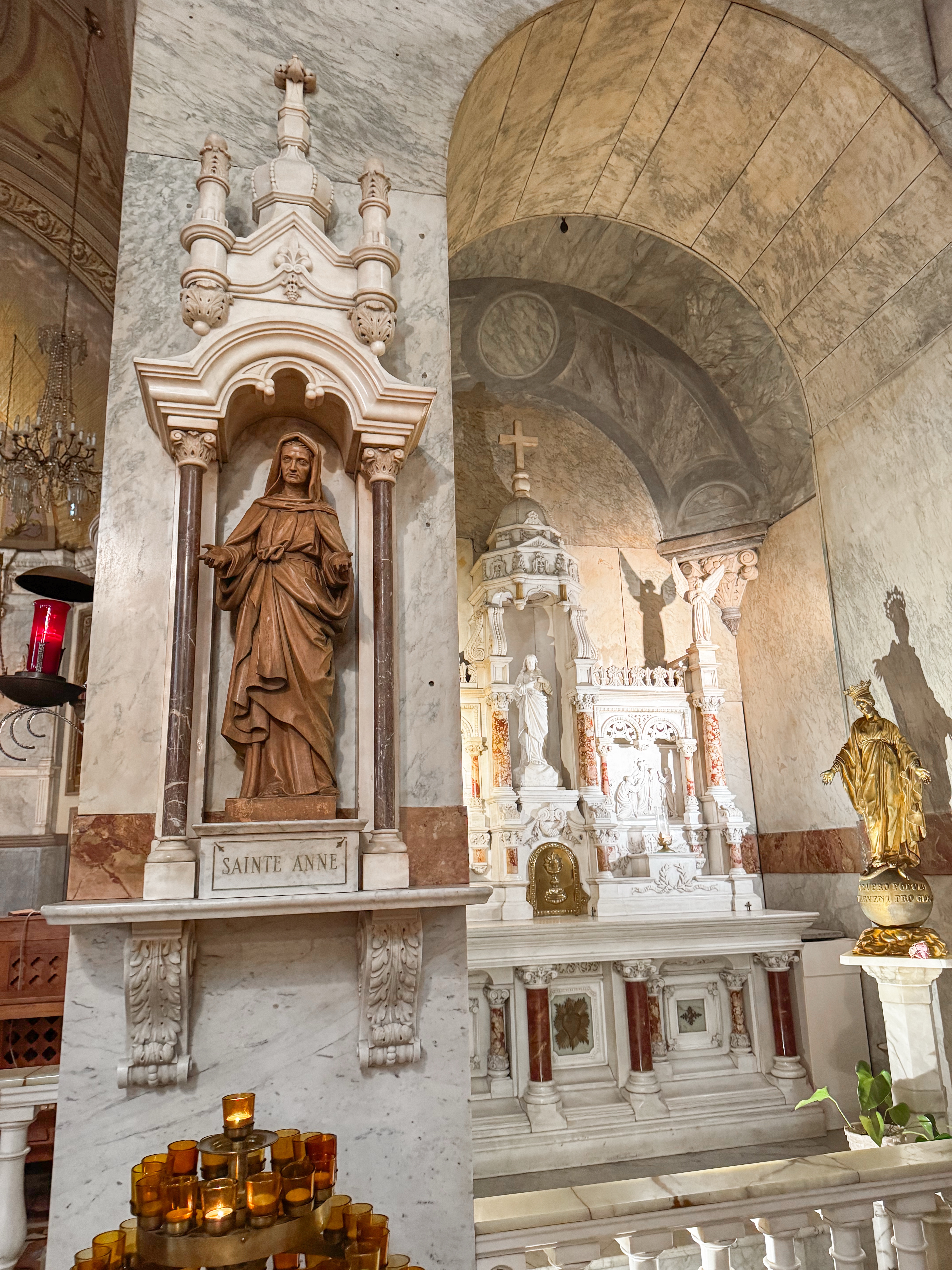
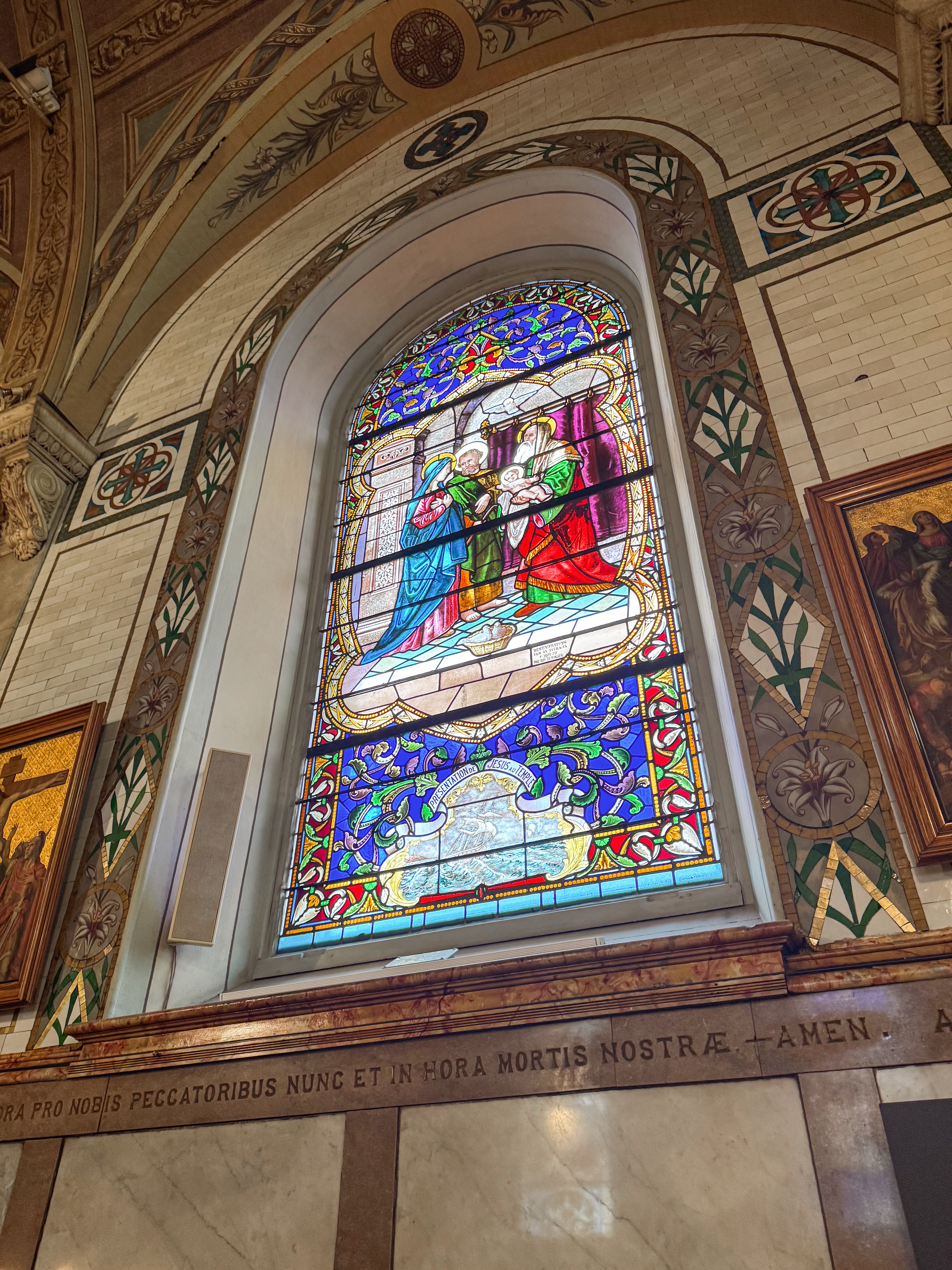


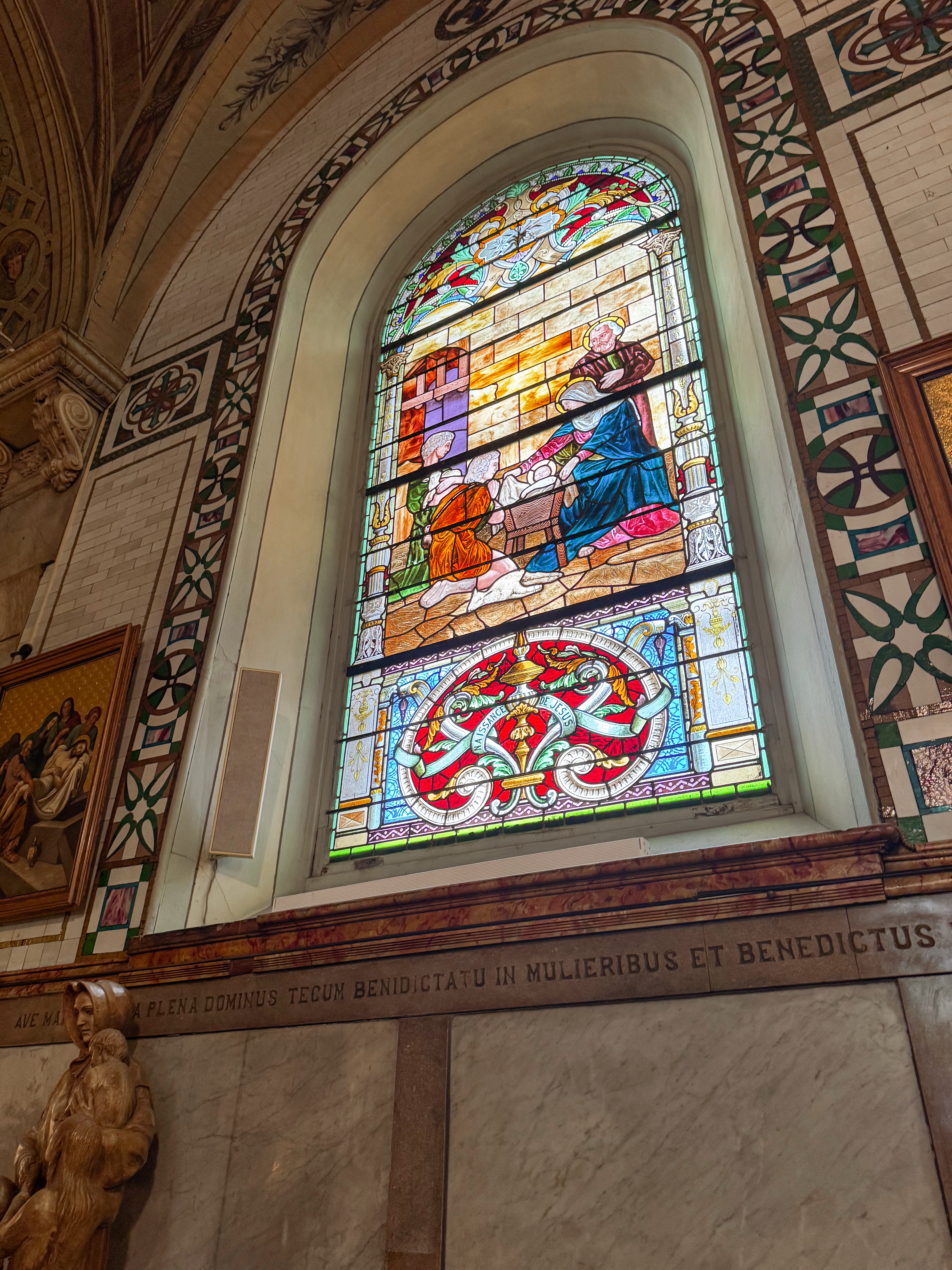
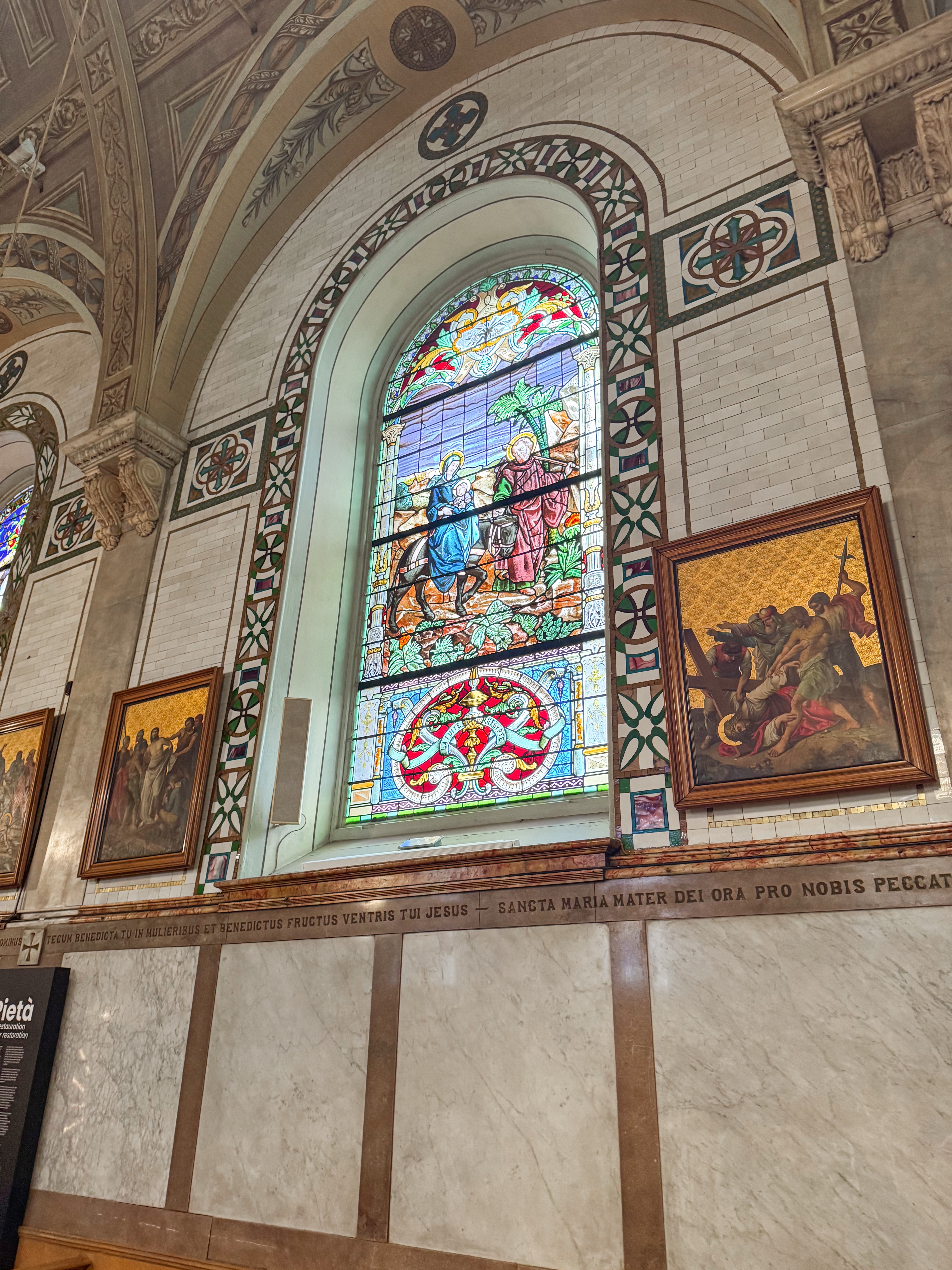




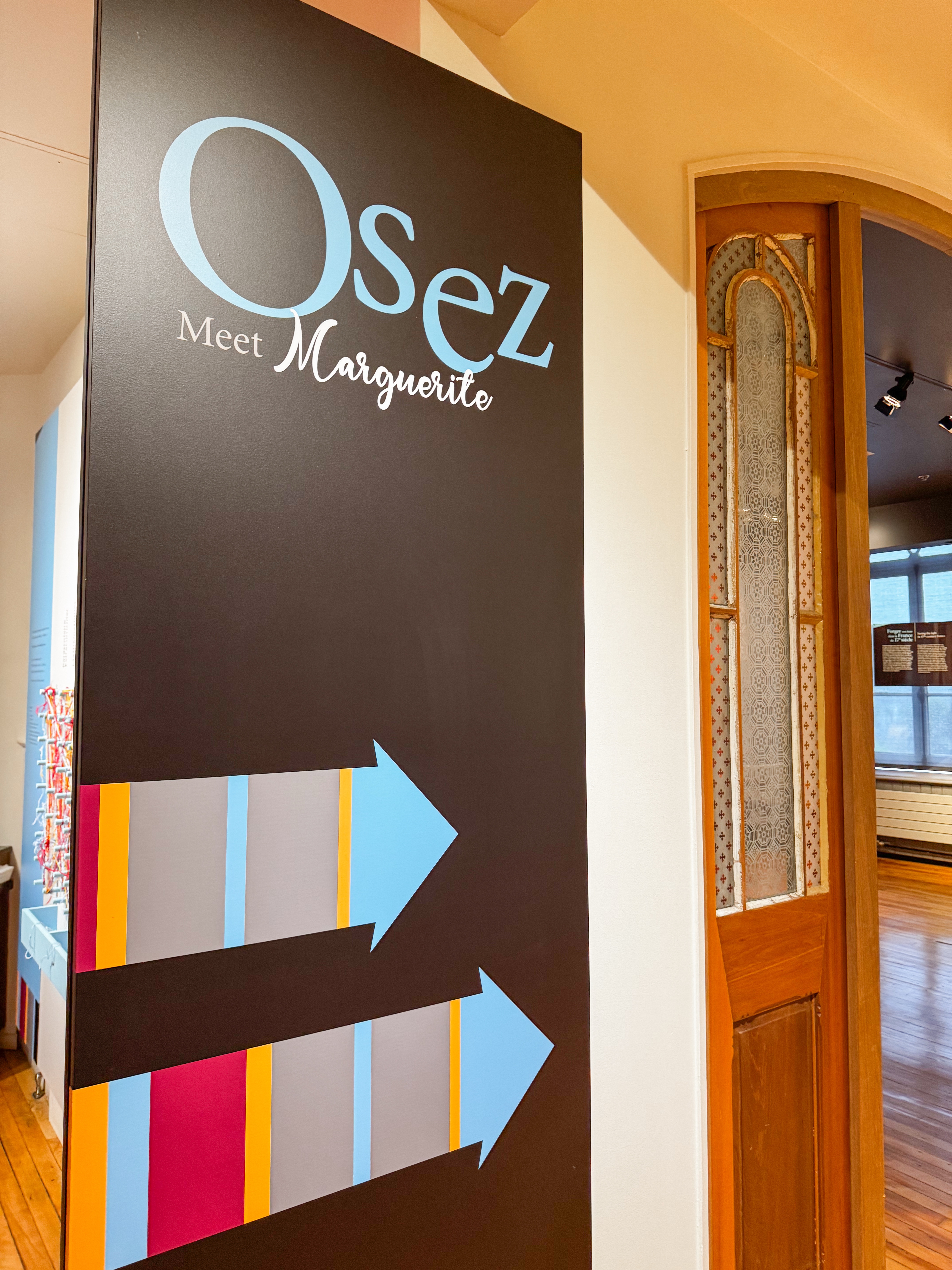
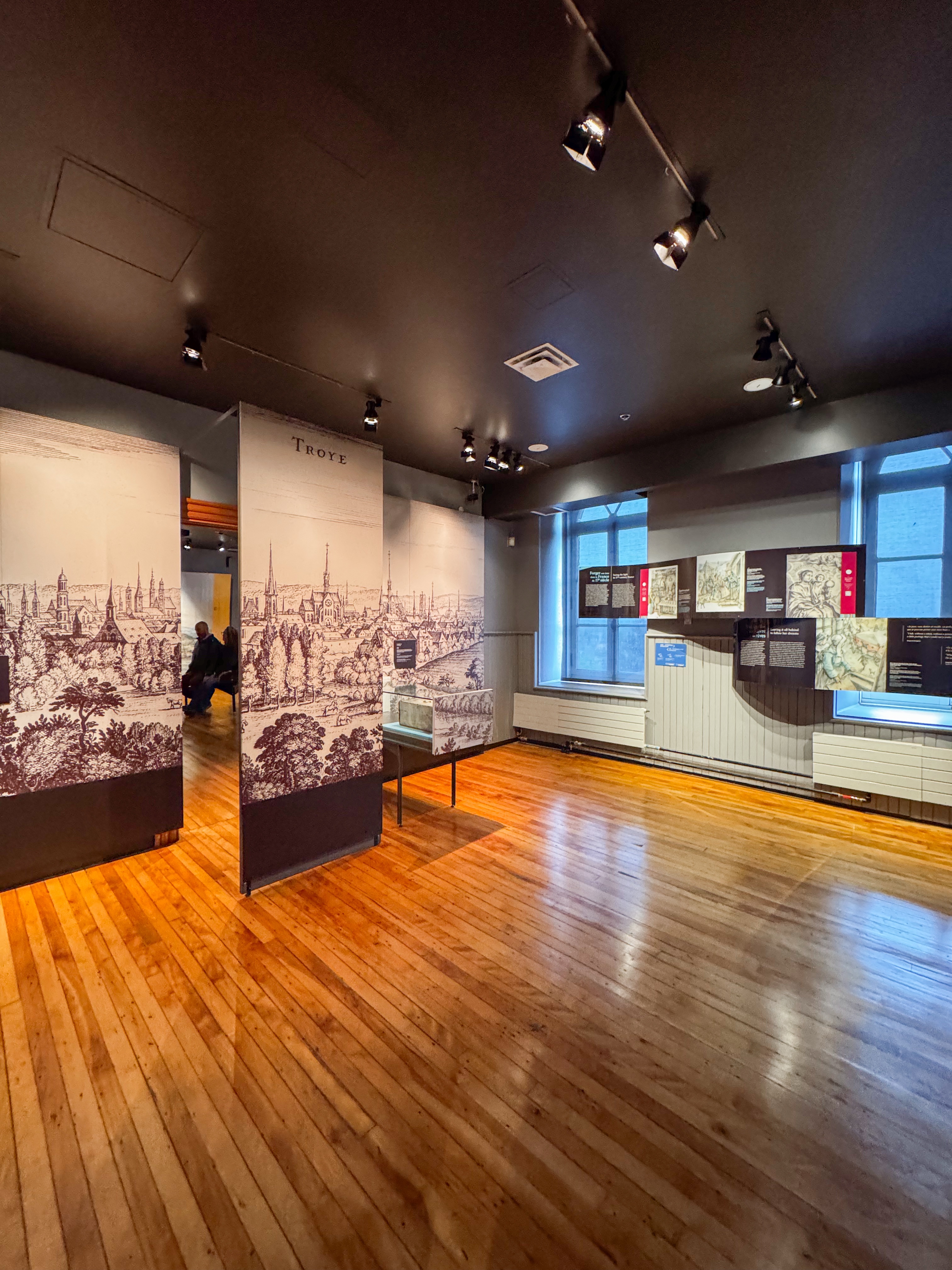
Attached to the church is the Marguerite Bourgeoys Museum, a cultural gem that showcases the rich history and legacy of one of Canada’s first female saints. While there is no charge to visit the church itself, which offers a serene atmosphere for reflection and prayer, there is a fee for entry into the museum. This fee not only grants access to a variety of exhibits detailing the life and achievements of Marguerite Bourgeoys but also includes admission to the stunning roof, which I had long wished to explore. The rooftop provides breathtaking panoramic views of the surrounding area, allowing visitors to appreciate the beauty of the city from a unique vantage point that combines both history and architecture.

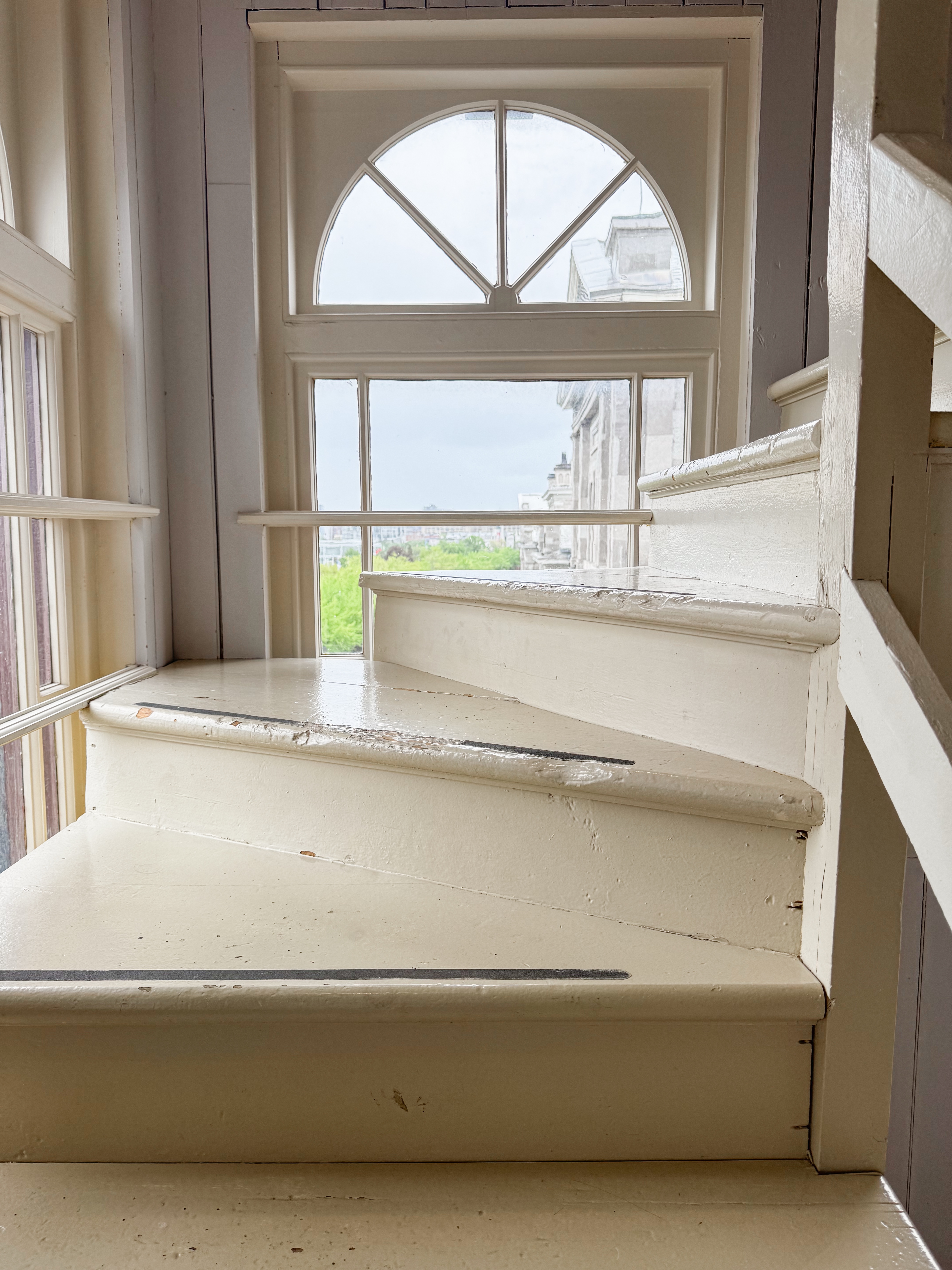
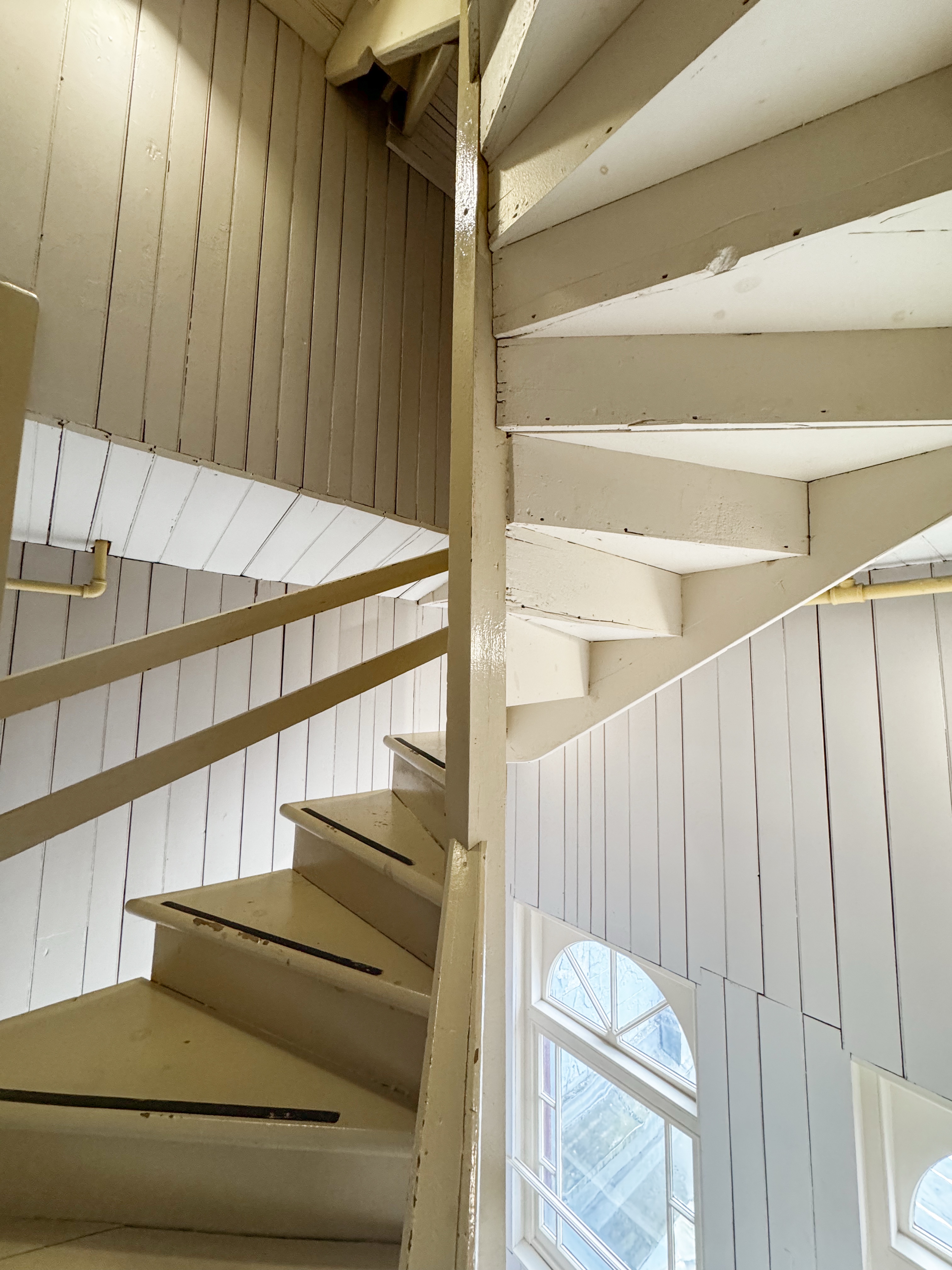
Stairs leading to the roof. This part is not handicap accessible.

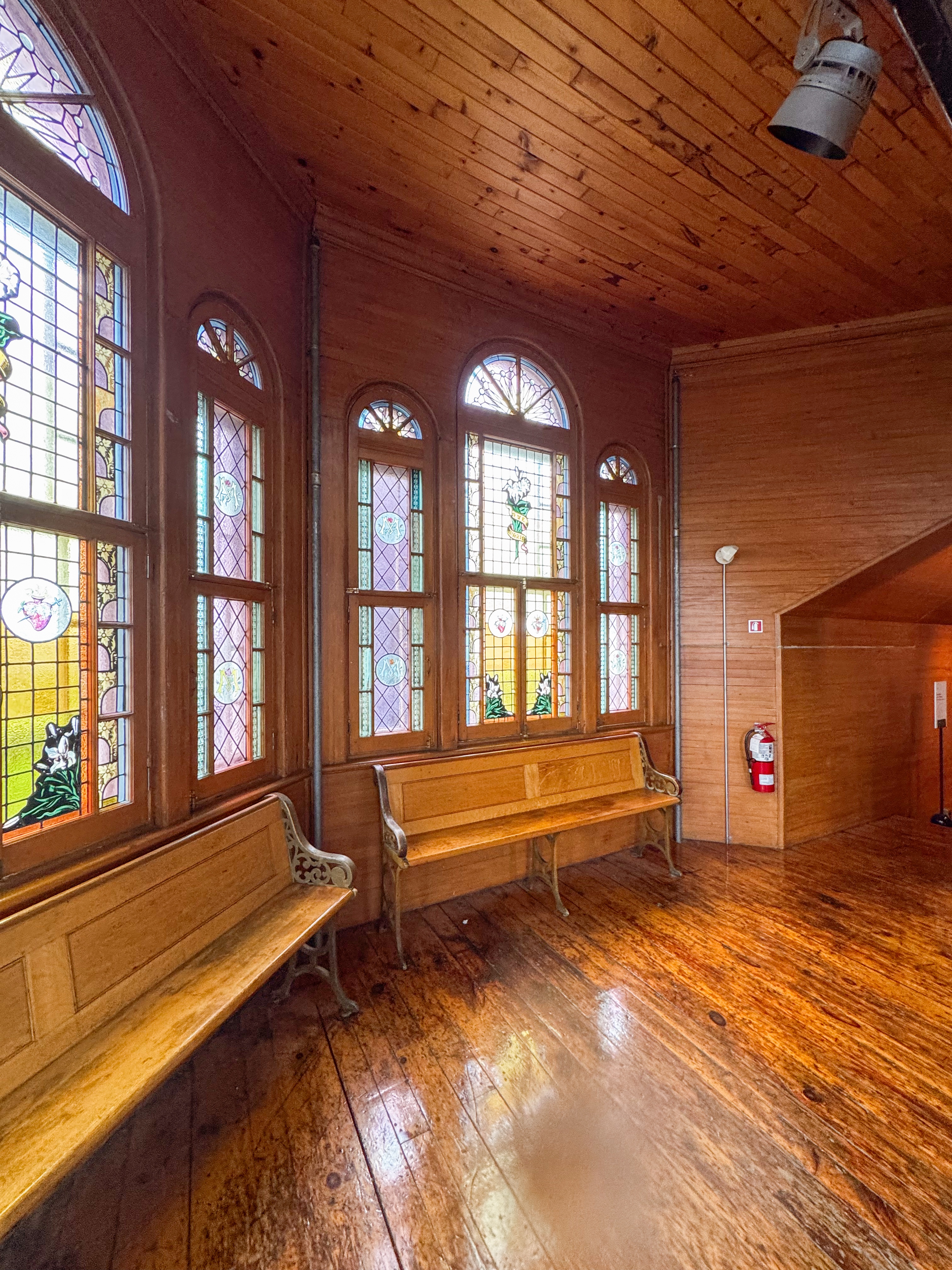
If I had more time, I could have sat here for hours, completely absorbed in the surroundings that offered both beauty and tranquility. The exquisite woodwork, finely crafted with intricate details, and the stunning stained glass, which filtered light into a warm, colorful glow, were phenomenal and left a lasting impression on my senses. It truly felt like a sanctuary, an amazing place to meditate and reflect, where the worries of the outside world faded away.



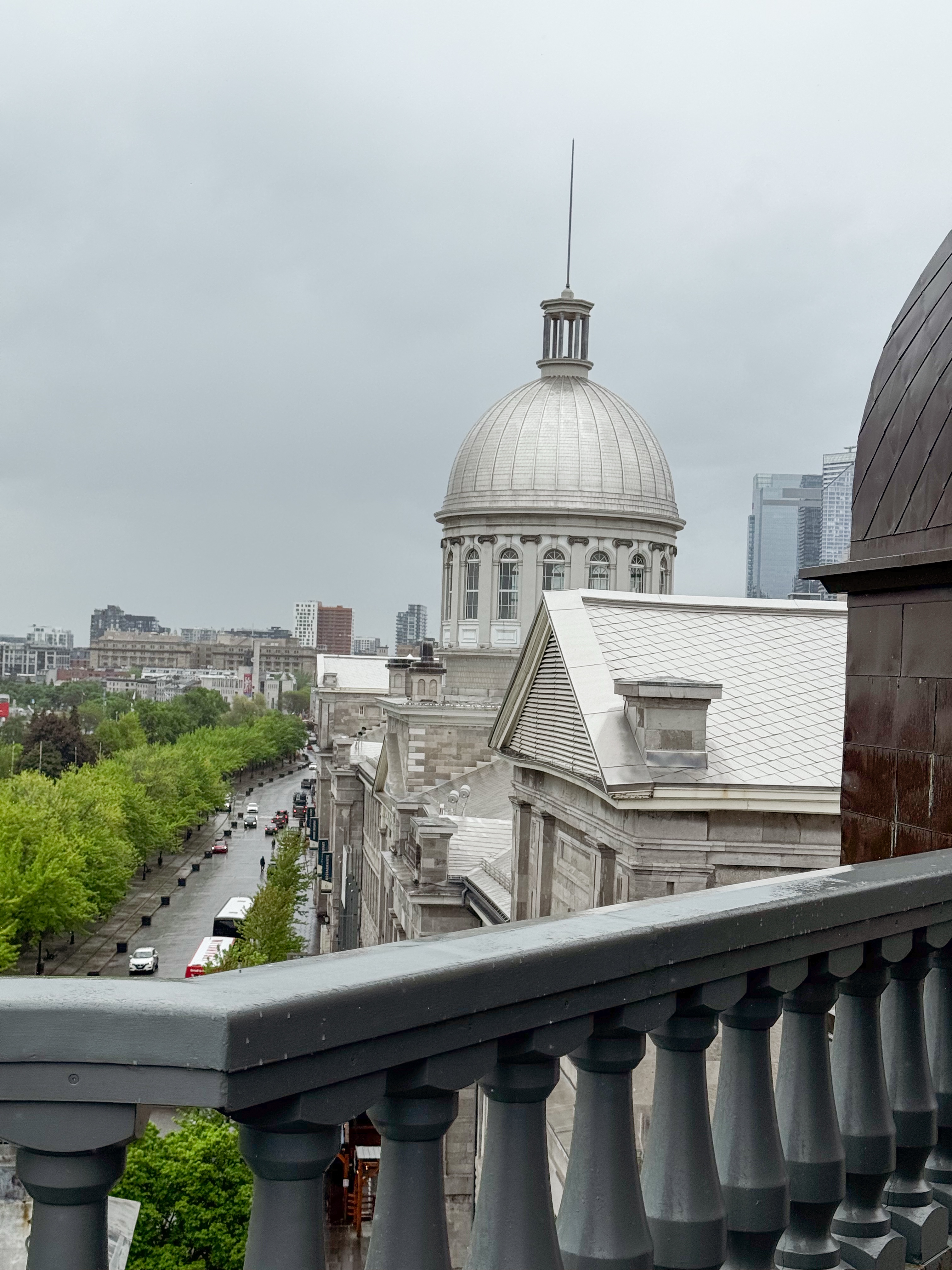
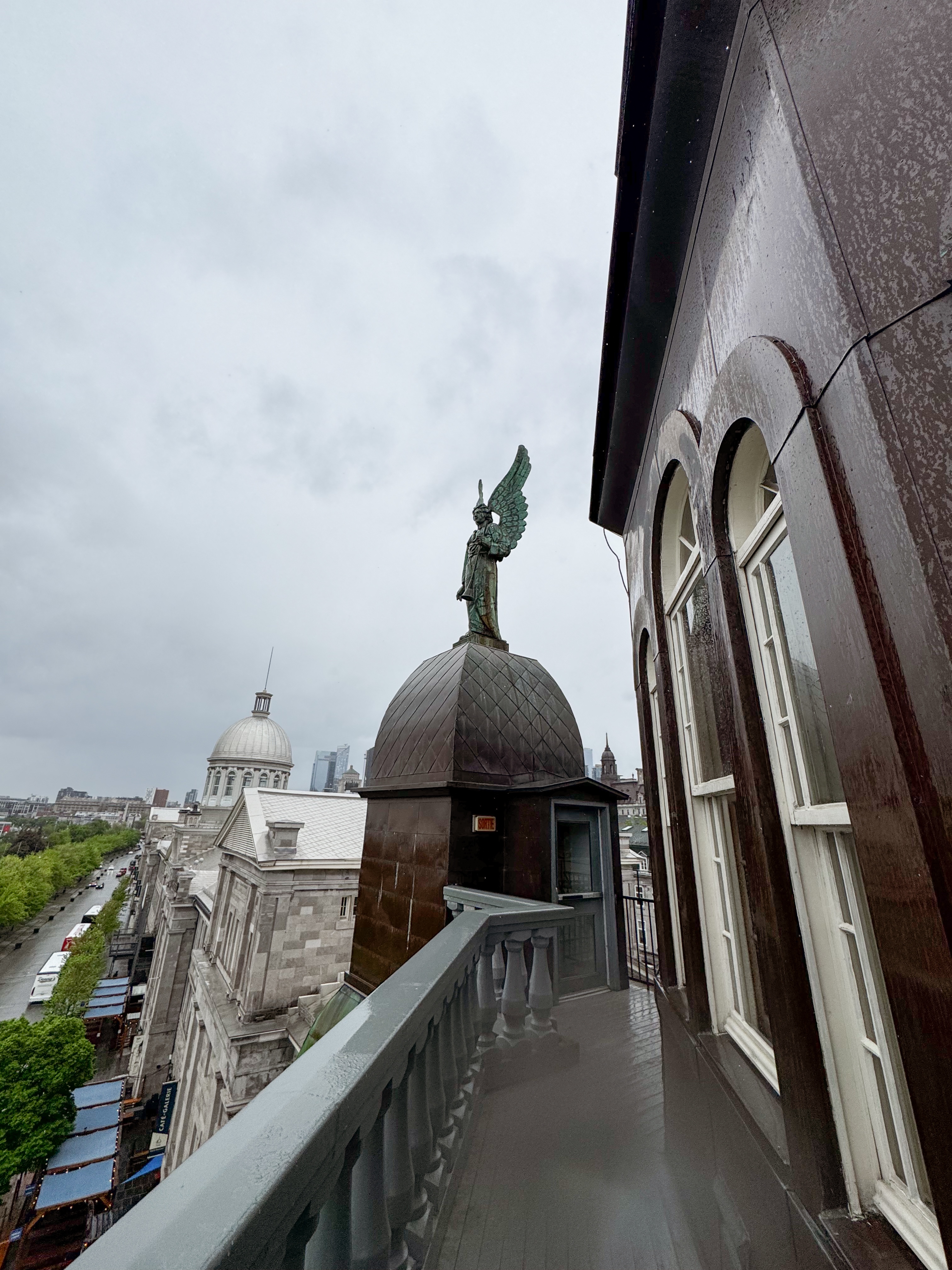
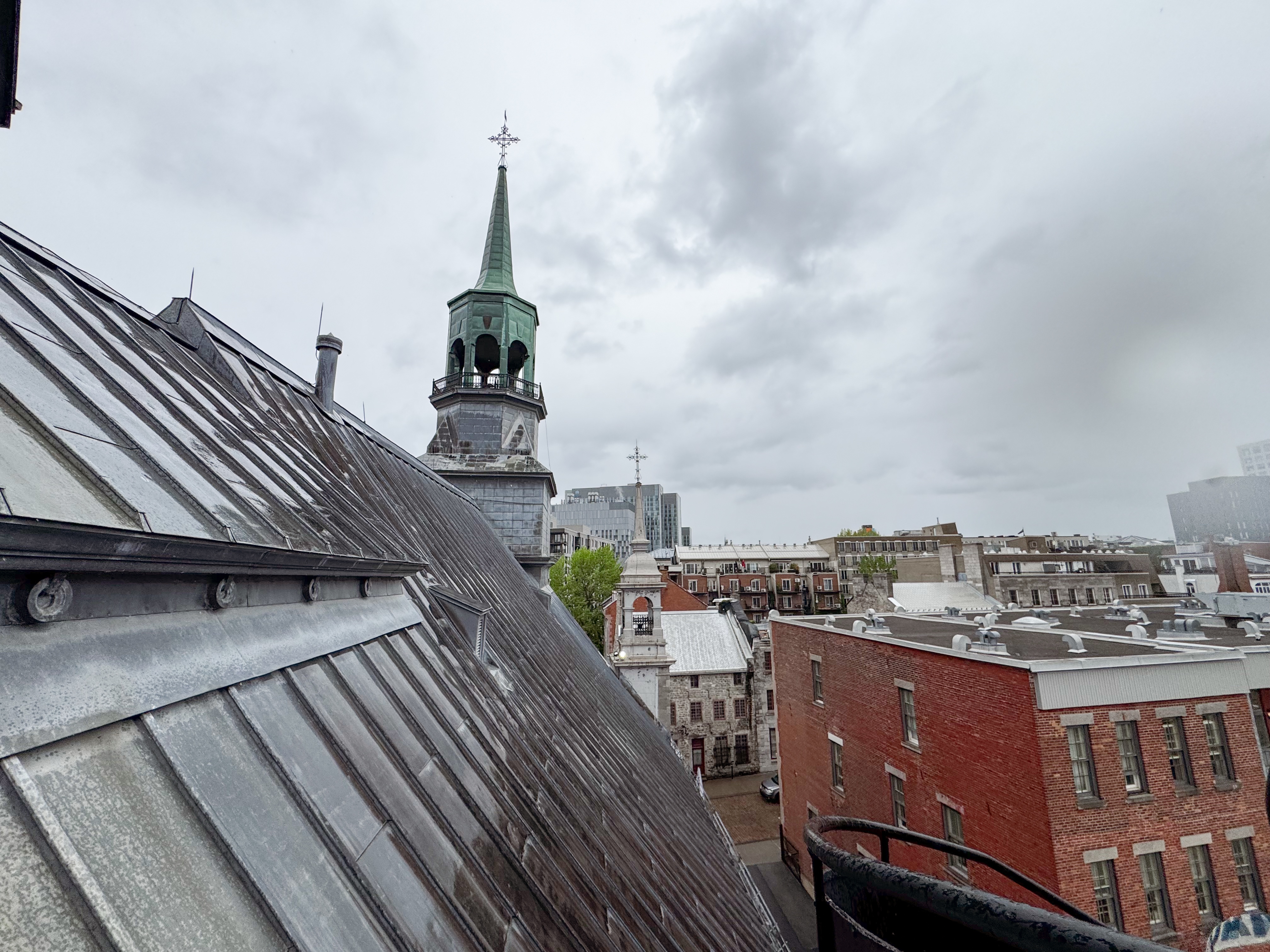
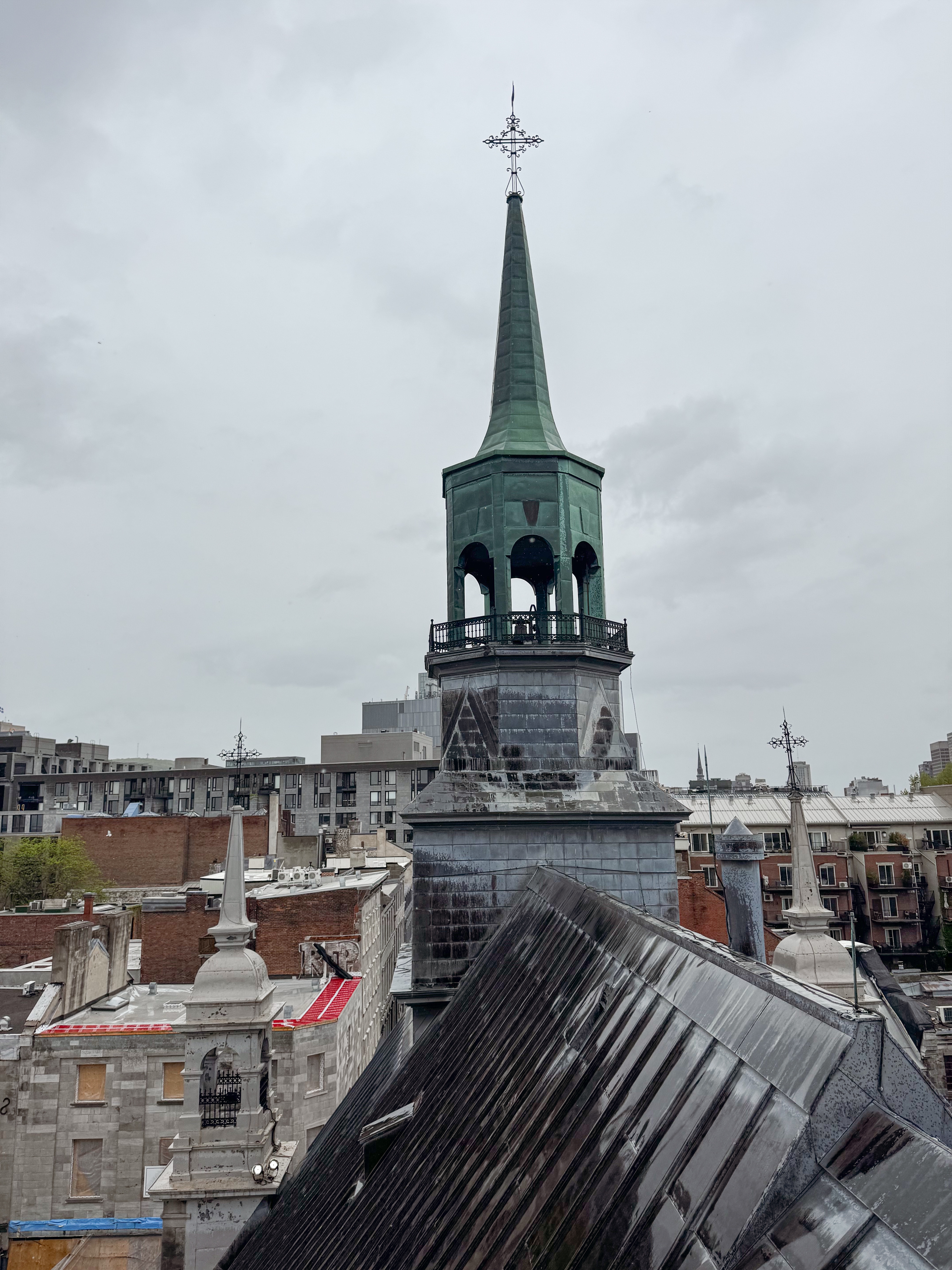
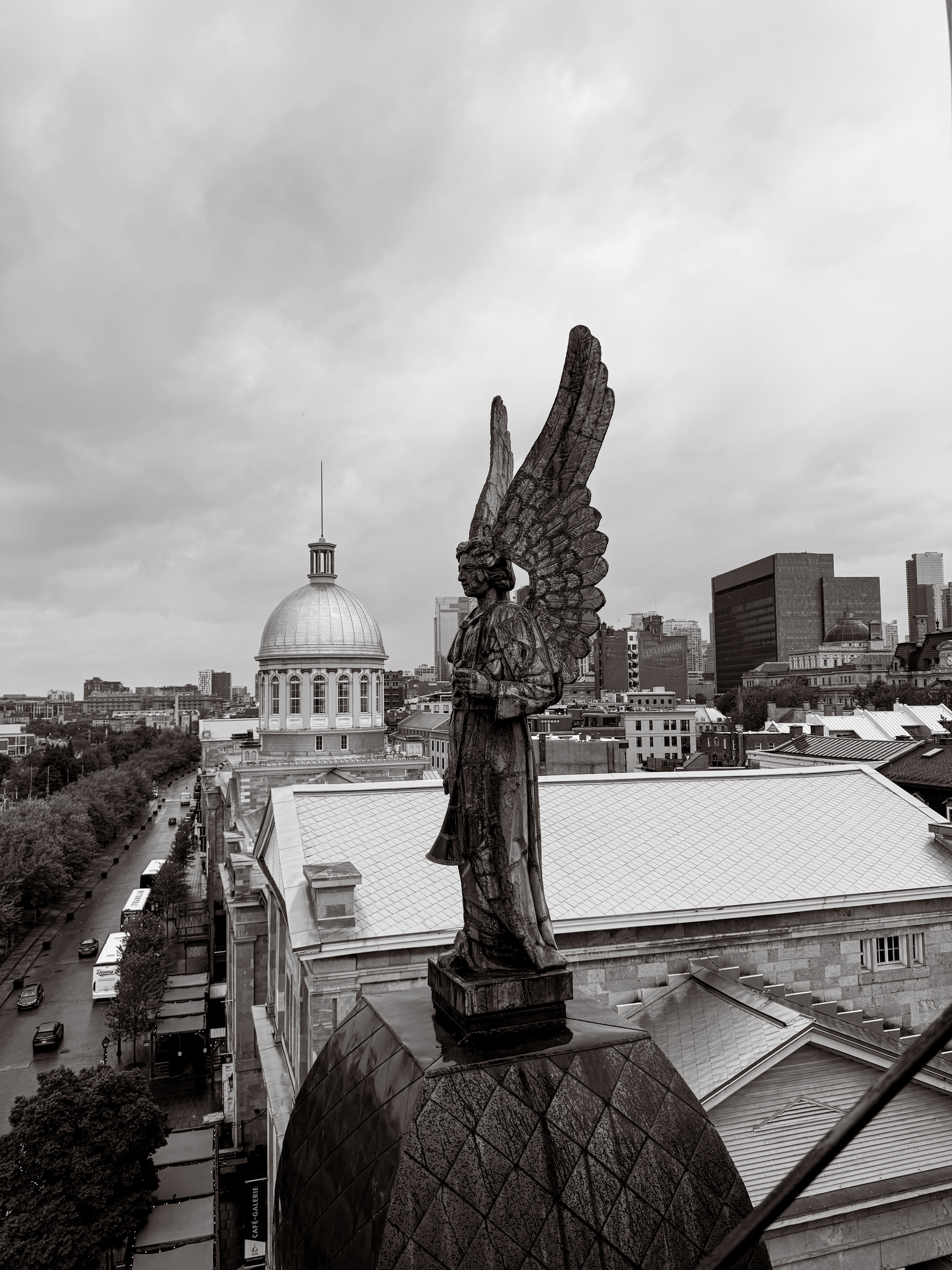
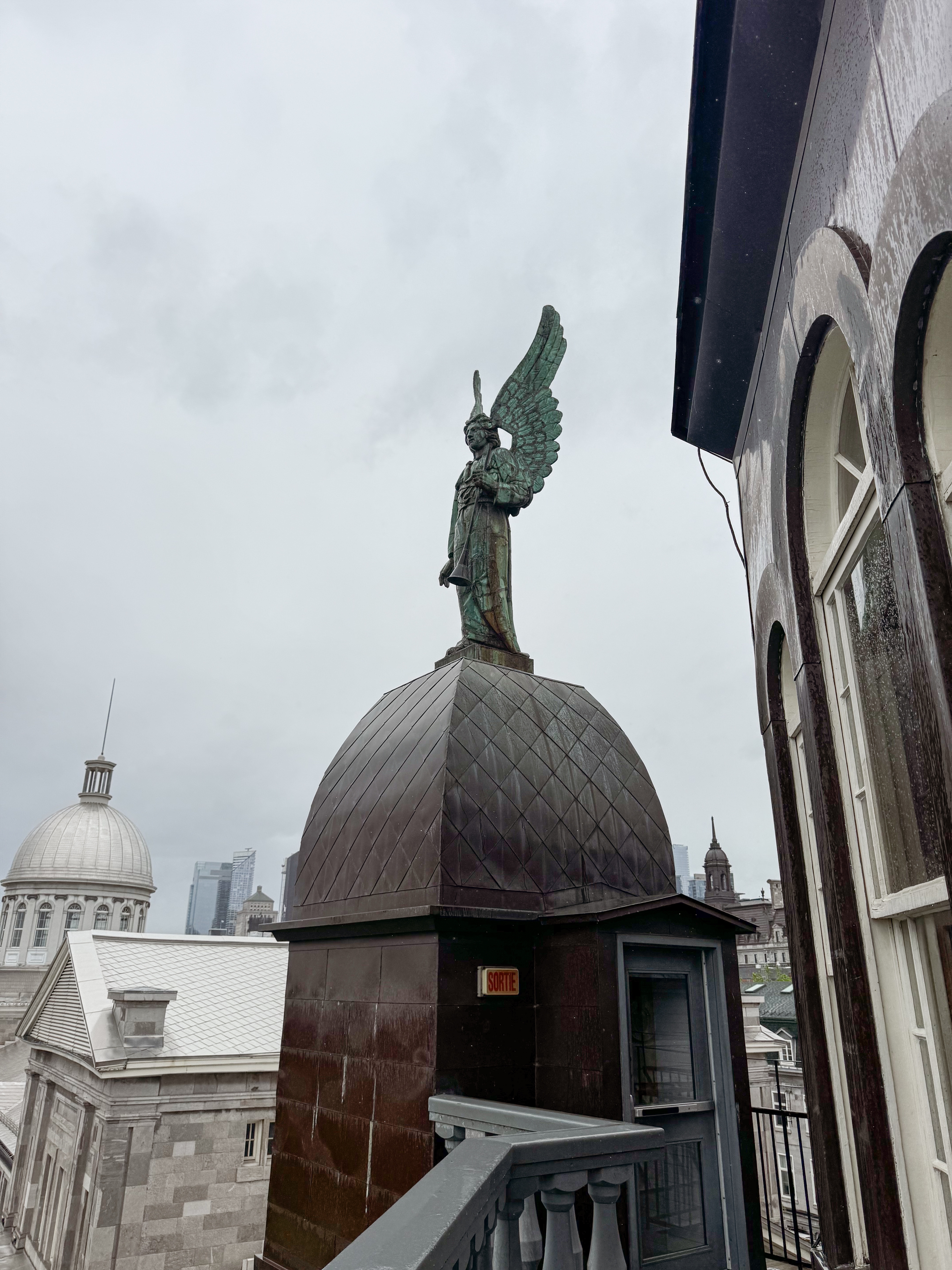
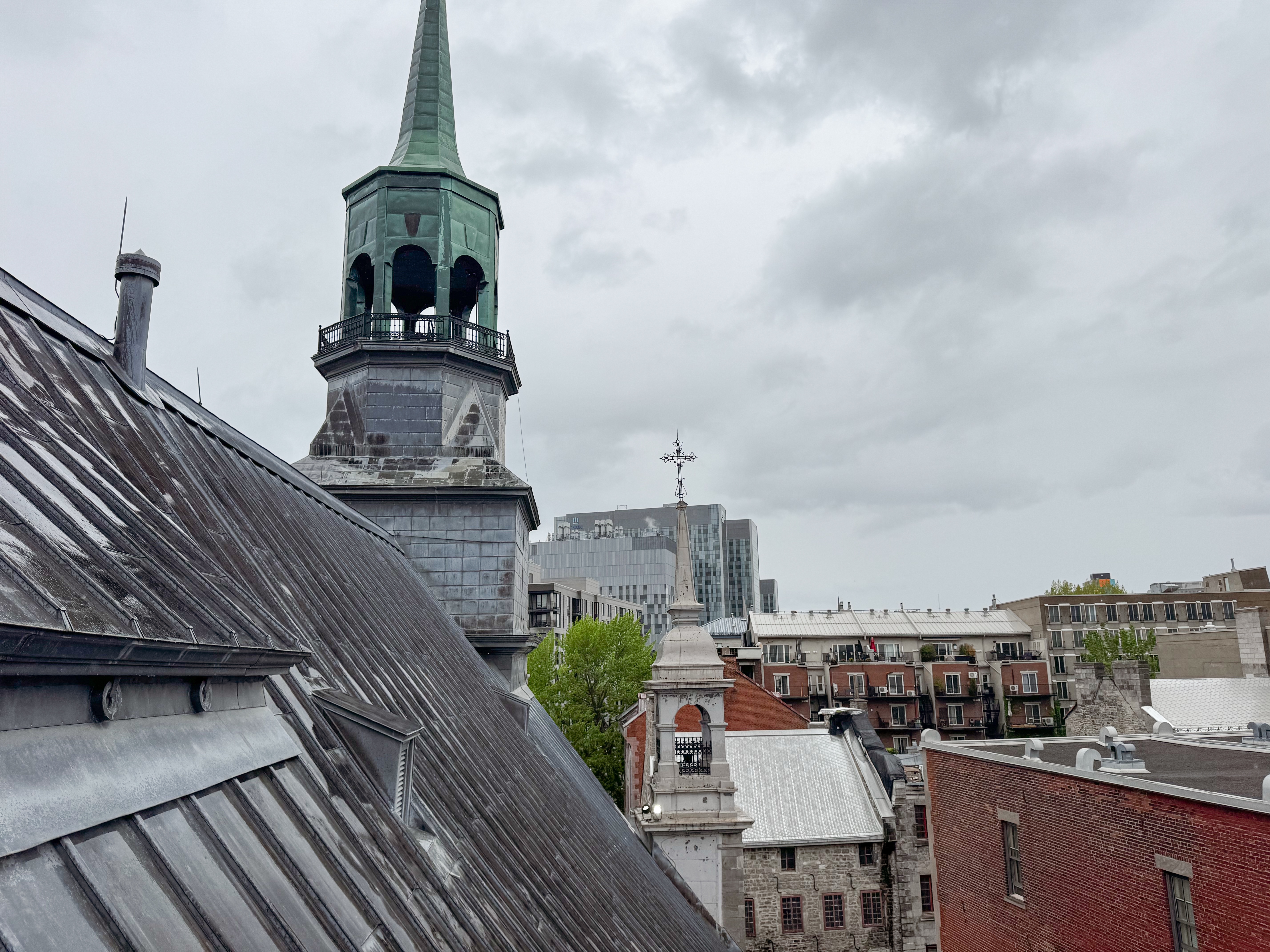
Even though it was raining lightly and a little chilly, the views from the roof were beautiful, with droplets of rain creating a shimmering effect on the city below. In the distance, you could see the outlines of buildings softened by the mist, while the vibrant colors of the greenery stood out against the gray sky, creating a serene and picturesque scene. As I stood there, I found myself lost in thought, appreciating the tranquil atmosphere that the rain brought, contrasting beautifully with the bustling life beneath.








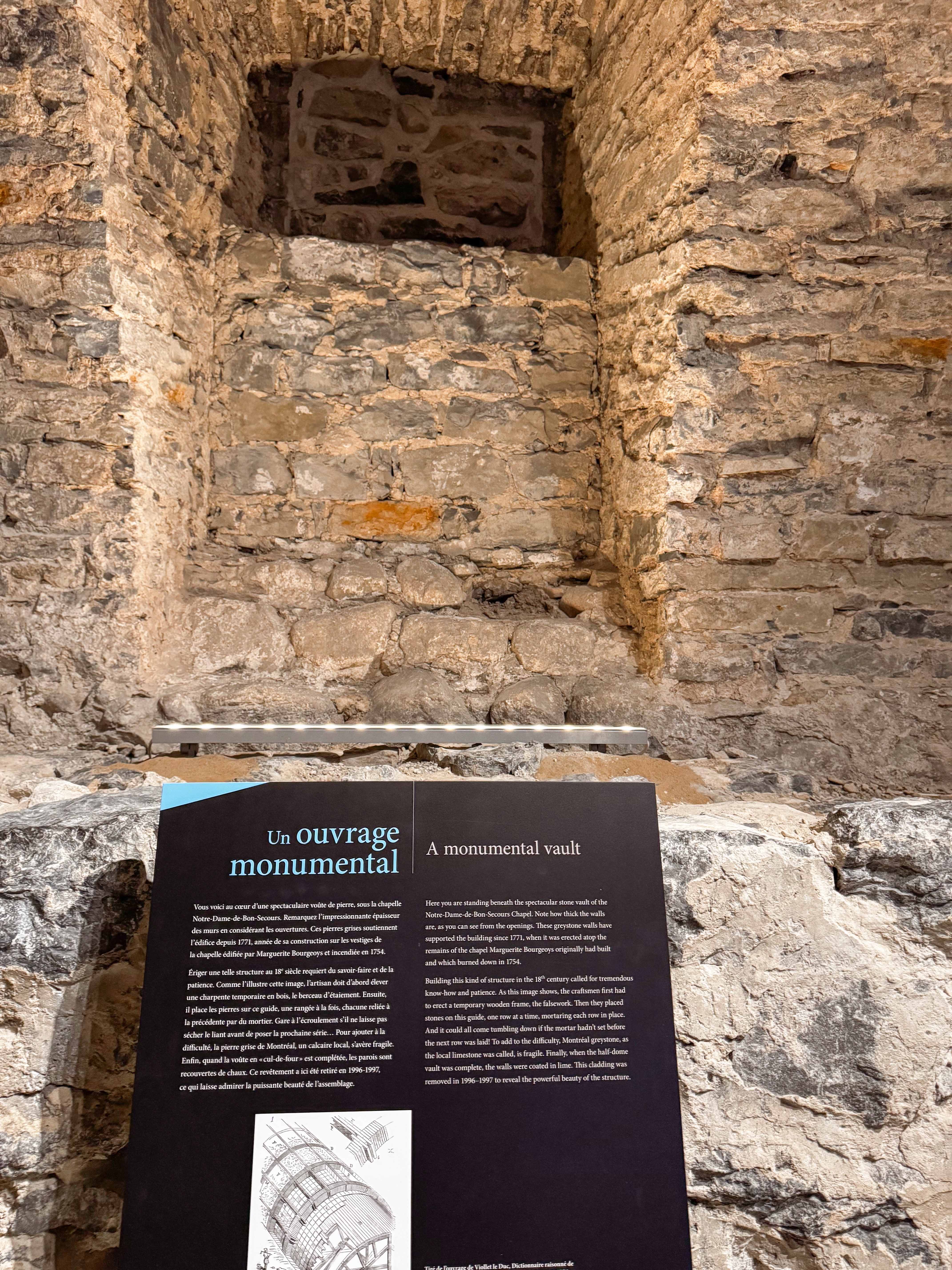
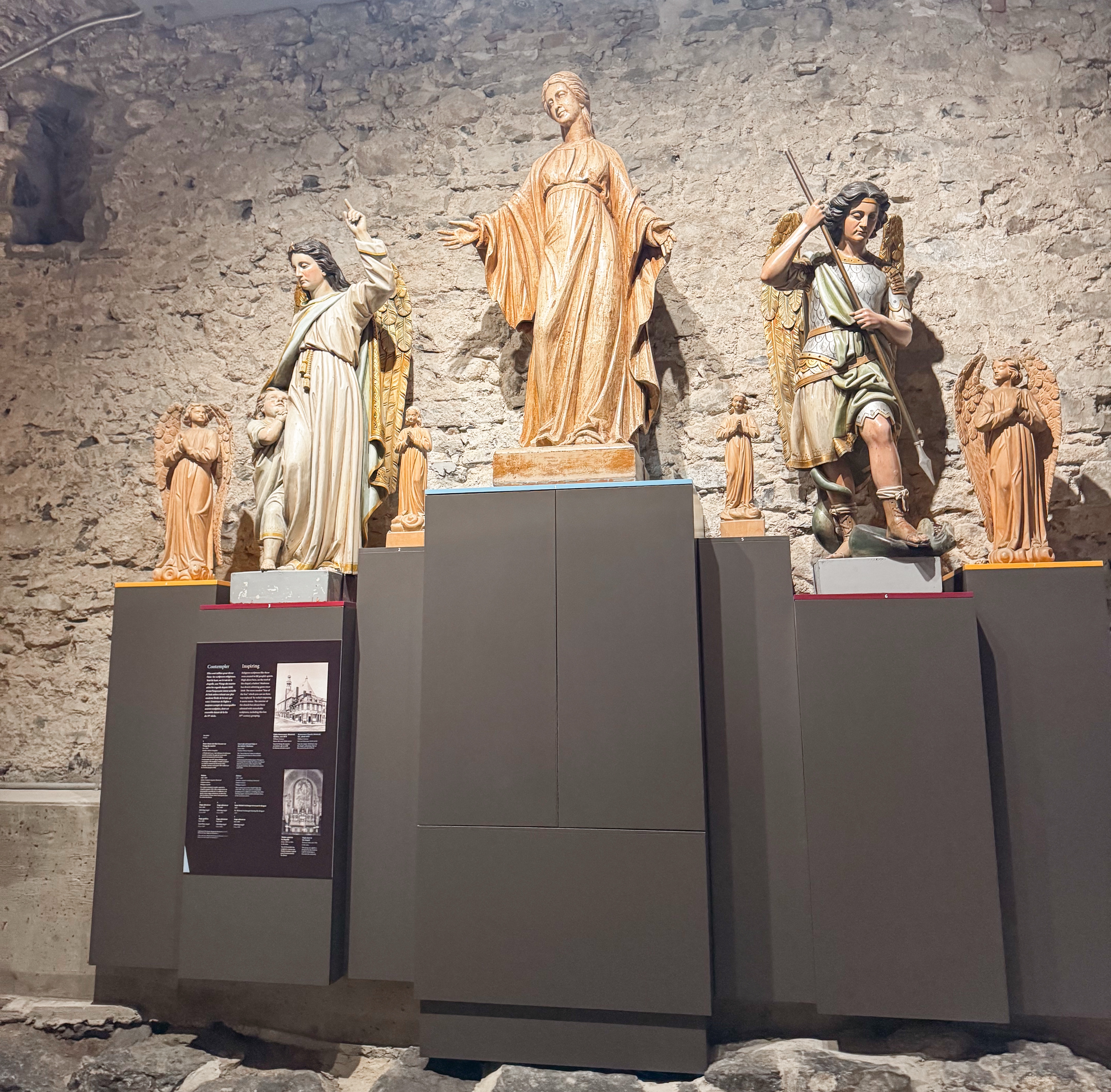
Located in the basement of the museum is an archaeological site that offers a fascinating glimpse into the past. As visitors descend into the cool, dimly lit area, they are greeted with ancient artifacts and remnants of structures that once stood in the vibrant heart of old Montreal. It was cool to see the history of old Montreal, showcasing how the city has evolved over the centuries, with its storied streets and bustling marketplaces that were filled with traders and artisans. The experience not only highlights the architectural styles of bygone eras but also sheds light on the daily lives of those who once walked these very grounds, making the visit both educational and deeply engaging.

 Travel With Laughter