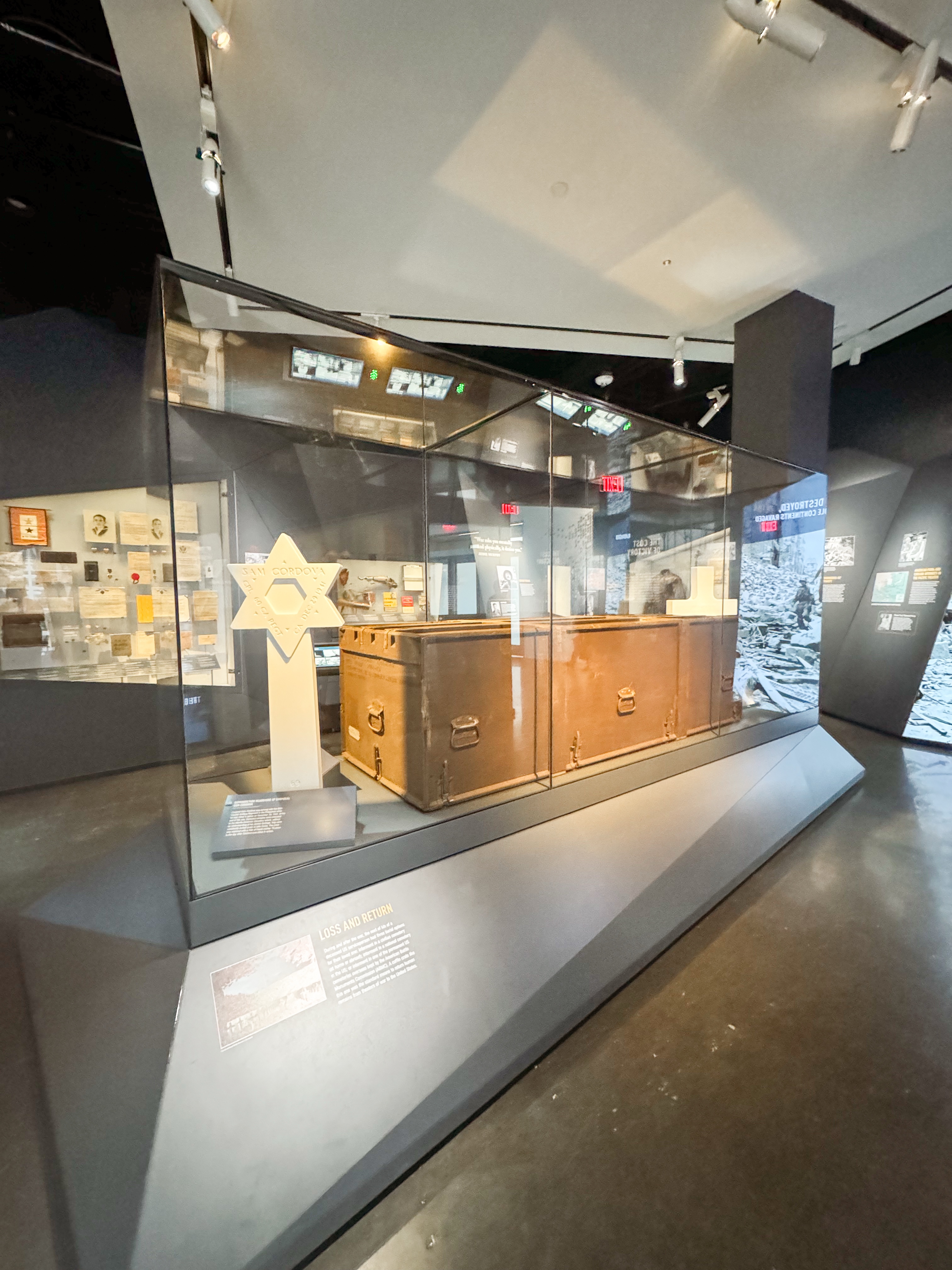
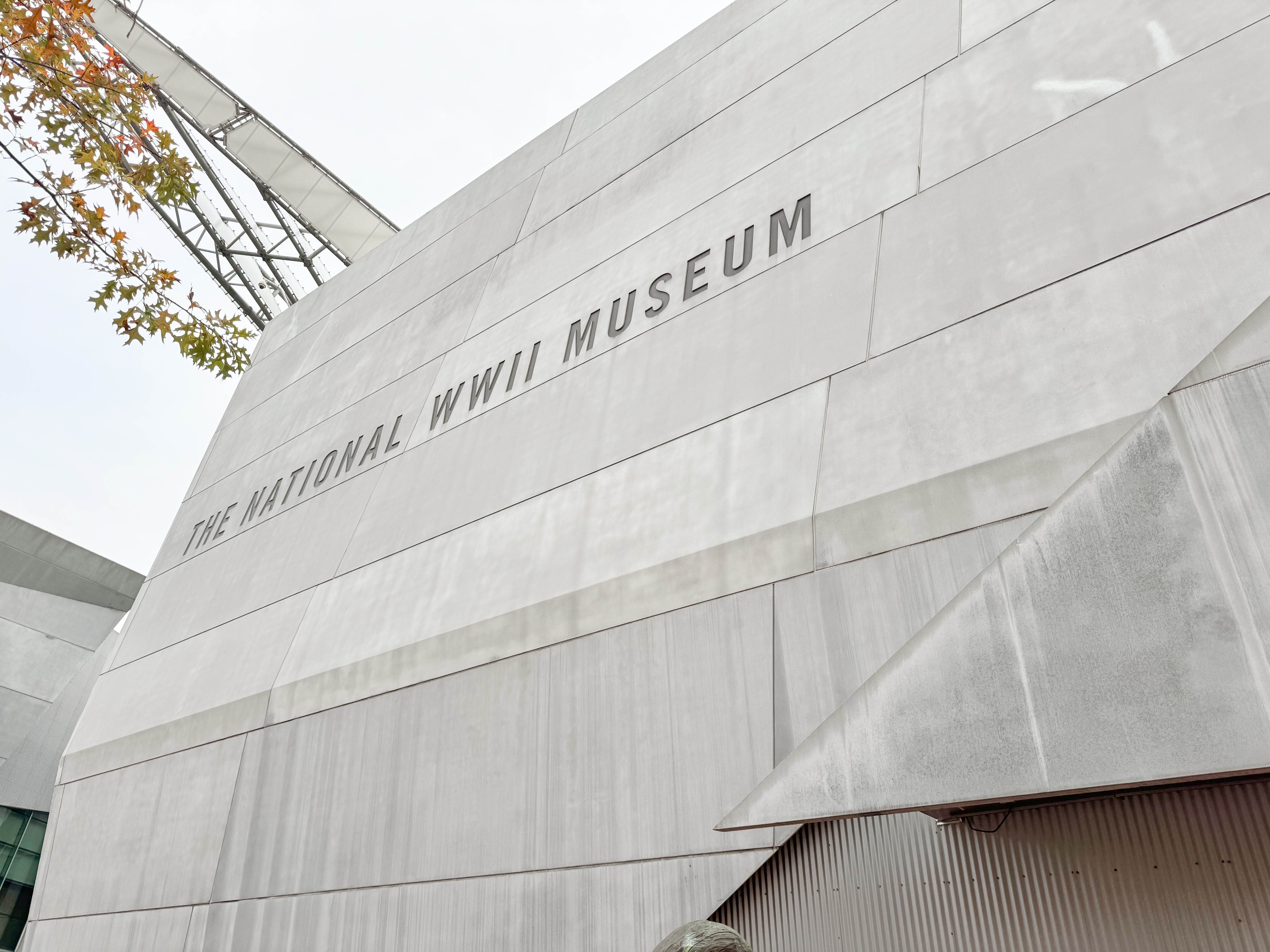
The National WWII Museum in New Orleans had been on my list of places I had wanted to visit for quite some time, and finally, the opportunity had arrived. When I was in town for a conference, I had some time before it began, so I eagerly decided to head to the museum and immerse myself in the rich history it offers. As I approached the grand entrance, I was immediately captivated by the vast array of exhibits and artifacts. I can see why it is the number one tourist attraction in New Orleans; it provides an in-depth look at the sacrifices and heroism of those who served. I was not prepared for how much there was to see, from the meticulously restored military vehicles to the haunting photographs depicting the war’s impact on countless lives. The guide in the beginning gave me some hints and off I went, eager to appreciate every detail. There are seven buildings to explore, each telling a unique story and holding something fascinating. Despite my initial enthusiasm, there was so much to see that I didn’t get all the time that I wanted exploring, so I will be sure to return to fully experience this extraordinary museum and delve deeper into the narratives that shaped history.
I didn’t have time to see any of the shows or documentaries that were being showcased, nor could I indulge in a delicious meal at the restaurant. With so much to explore and experience, I regretfully missed out on these highlights during my visit. However, I will make sure to prioritize them on my list for my next trip, as I am eager to immerse myself in the captivating performances and enjoy the culinary delights that I had heard so much about.
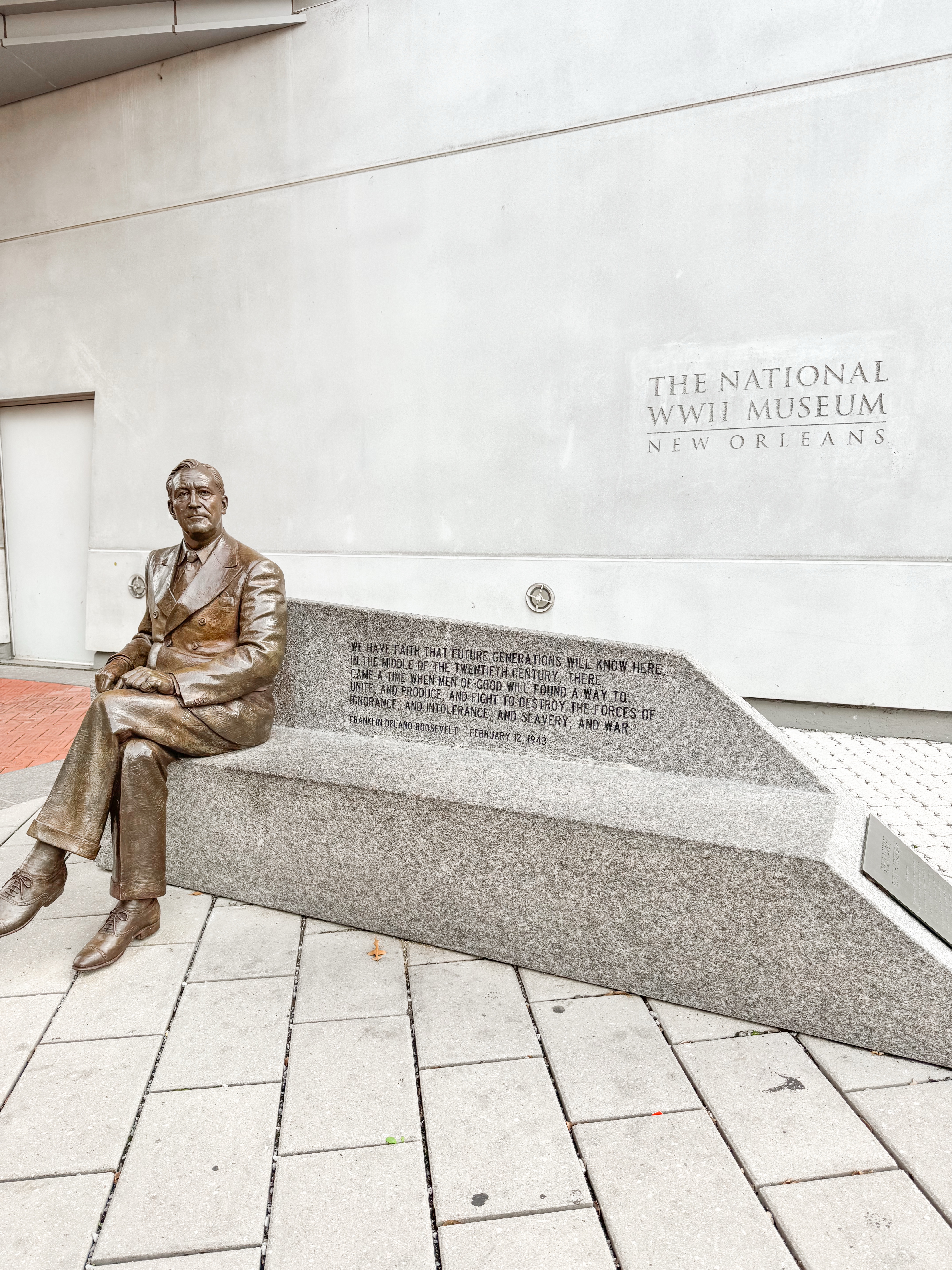
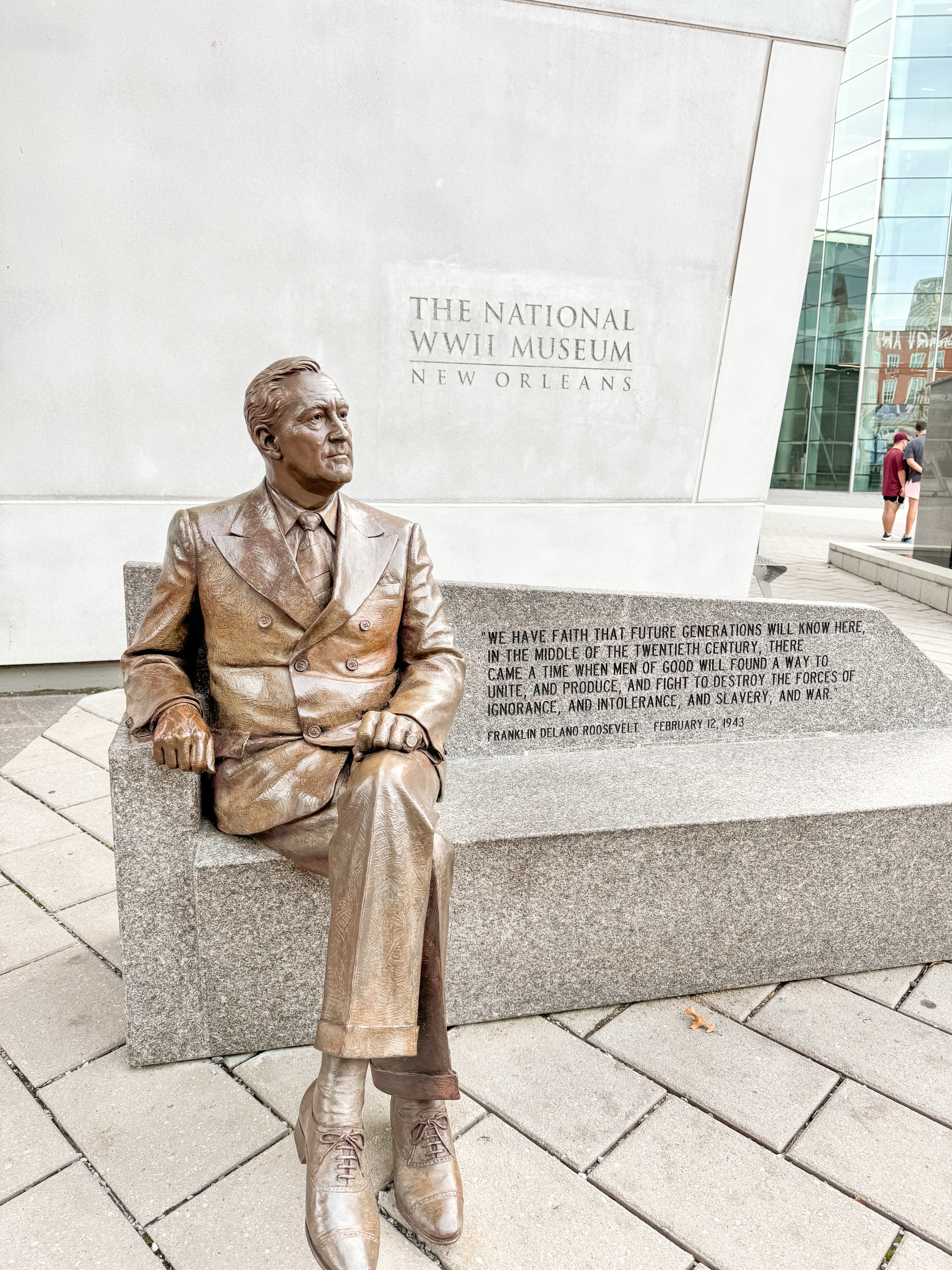
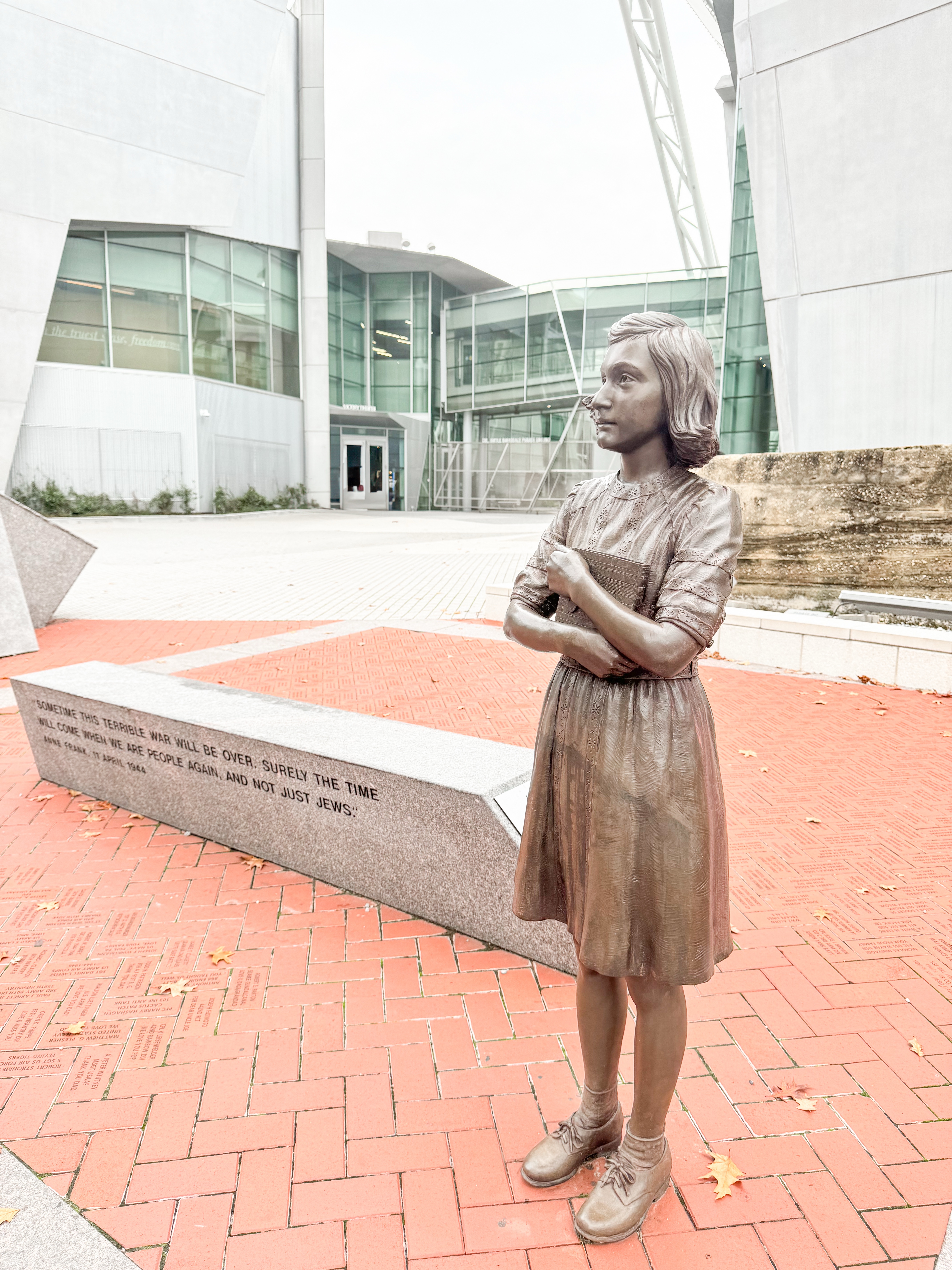
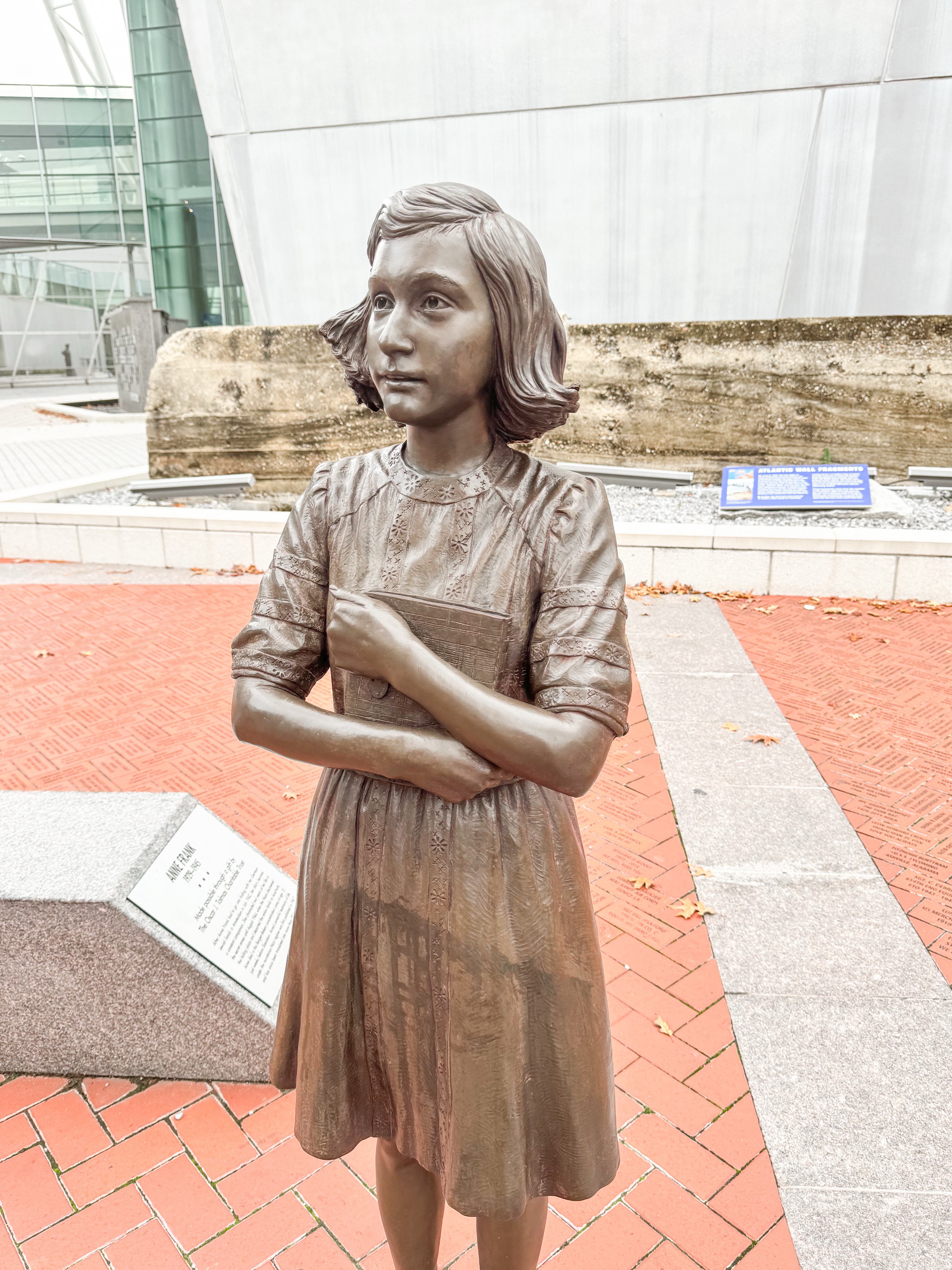
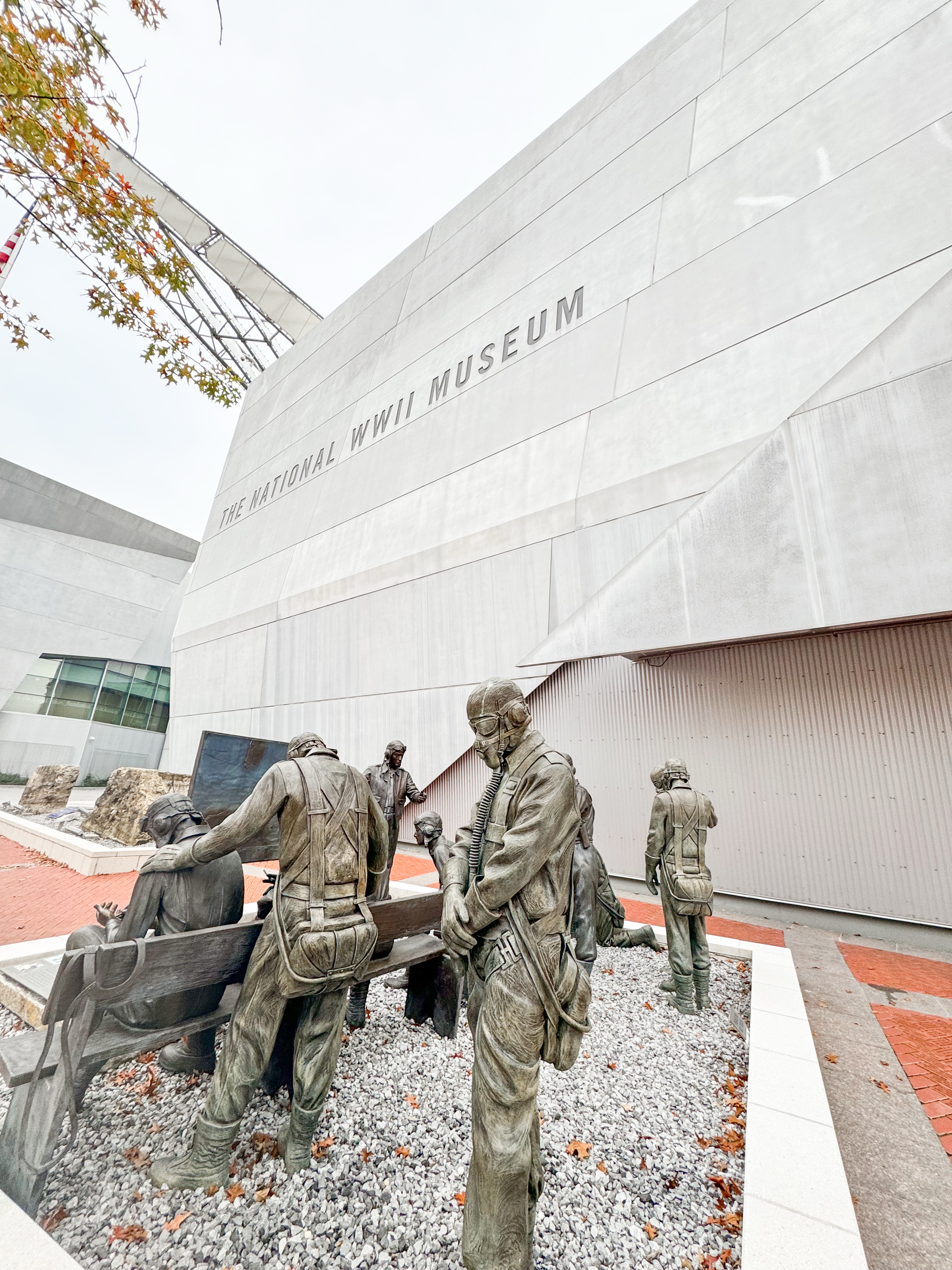
Outside the museum, you are greeted by amazing statues that stand majestically in the sunlight, each one telling a story of its own while capturing the attention of curious passersby. The intricate details carved into the stone reveal the skill of the artisans, and the lush greenery surrounding them creates a serene ambiance, inviting visitors to pause and appreciate the artistry. As people wander by, they often take photos, captivated by the beauty and historical significance of these remarkable sculptures, which serve as a perfect prelude to the artistic wonders that await inside the museum.
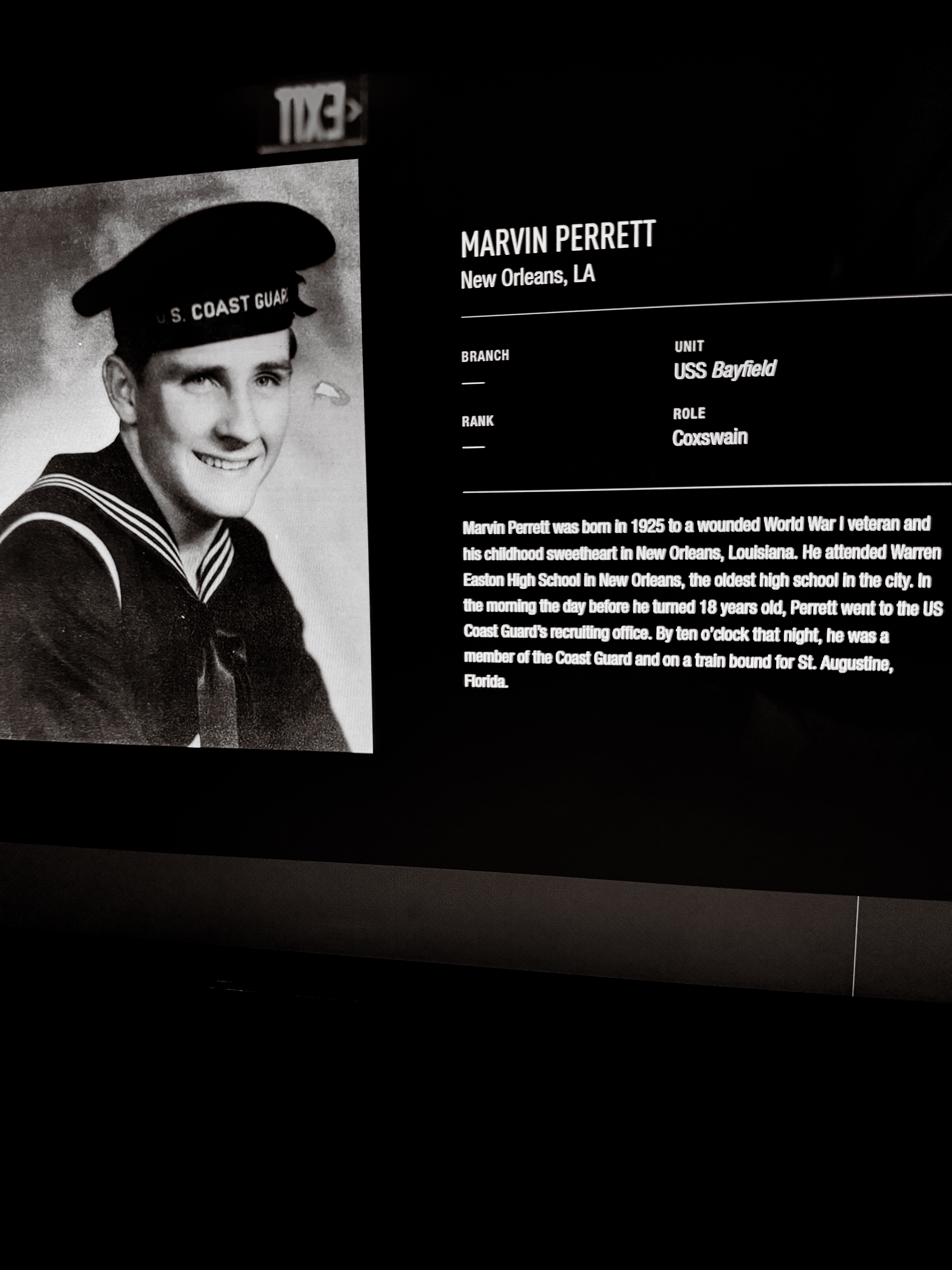
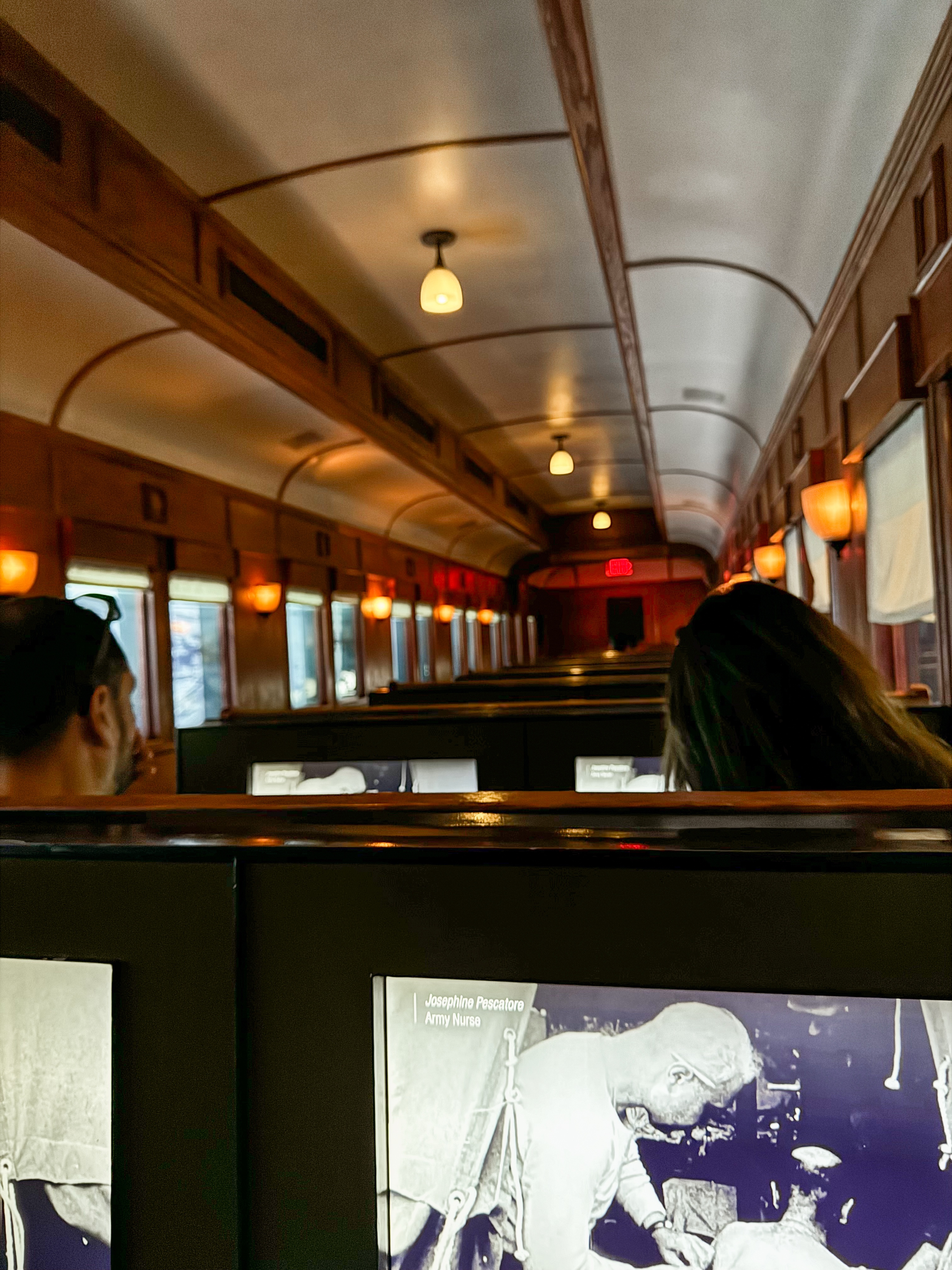
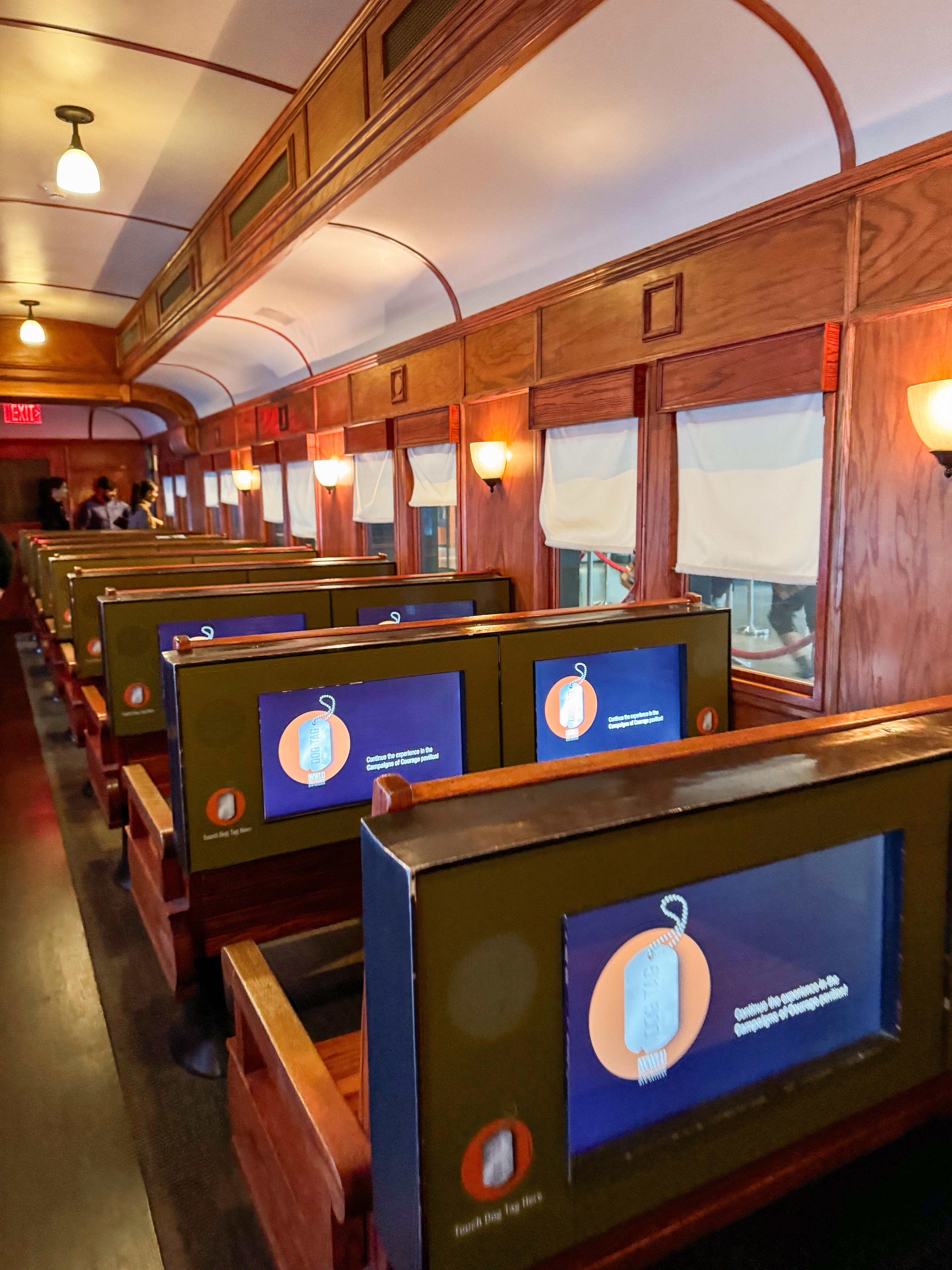
After purchasing your ticket, you head into a meticulously designed “train” car, which transports you back in time. They have expertly re-created a 1940s train station, complete with vintage posters, period-specific furniture, and the sounds of bustling travelers, making it easy to feel as if you’ve stepped into history itself. This immersive setting serves as the starting point for your visit in the Louisiana Pavilion, aiming to provide you with a profound understanding of how the brave new recruits began their arduous journey to war. As you observe the carefully crafted details around you, you can’t help but reflect on the emotions and experiences of those who once stood in this very spot, filled with hope and anxiety about the unknowns that lay ahead.
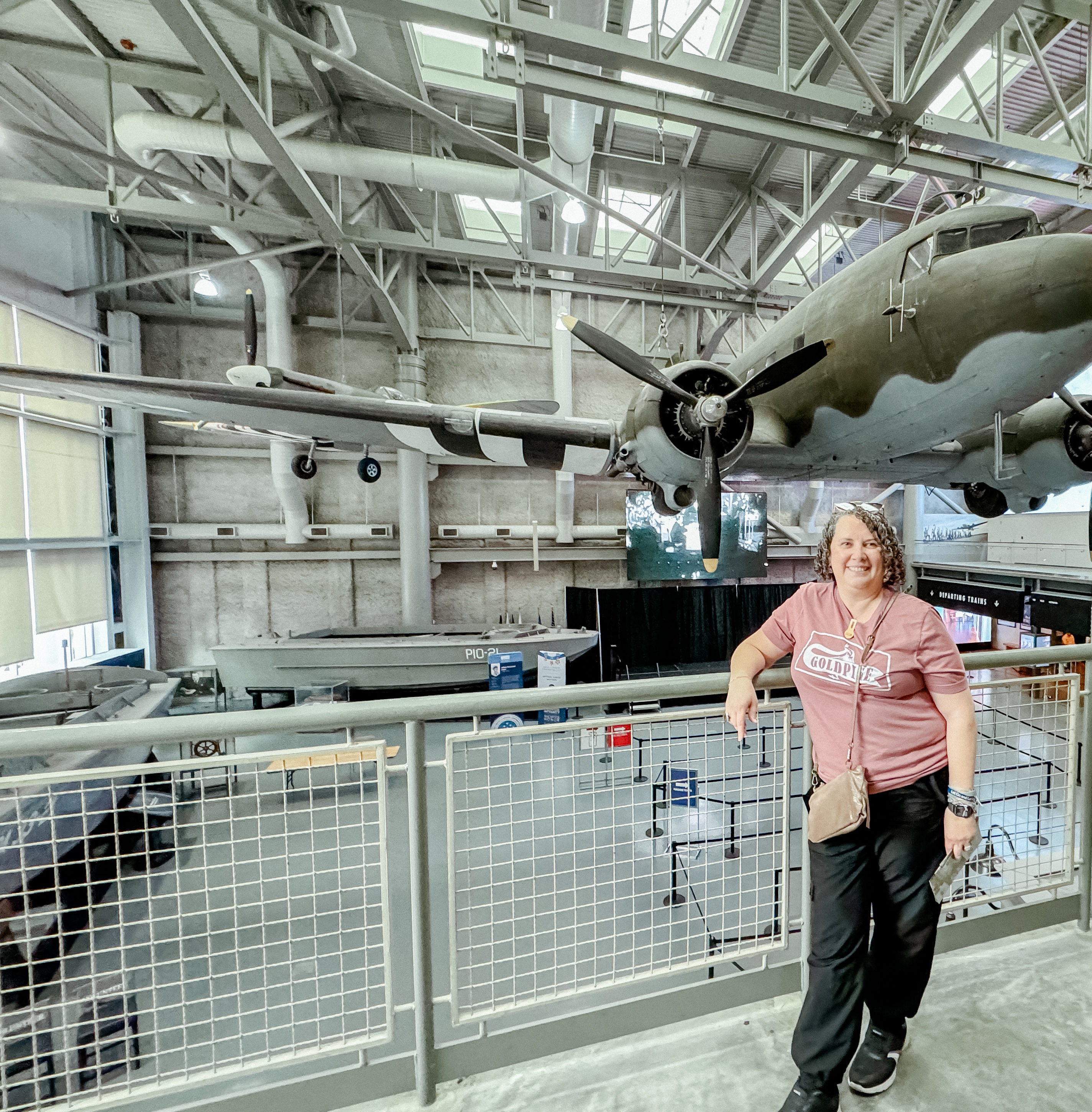
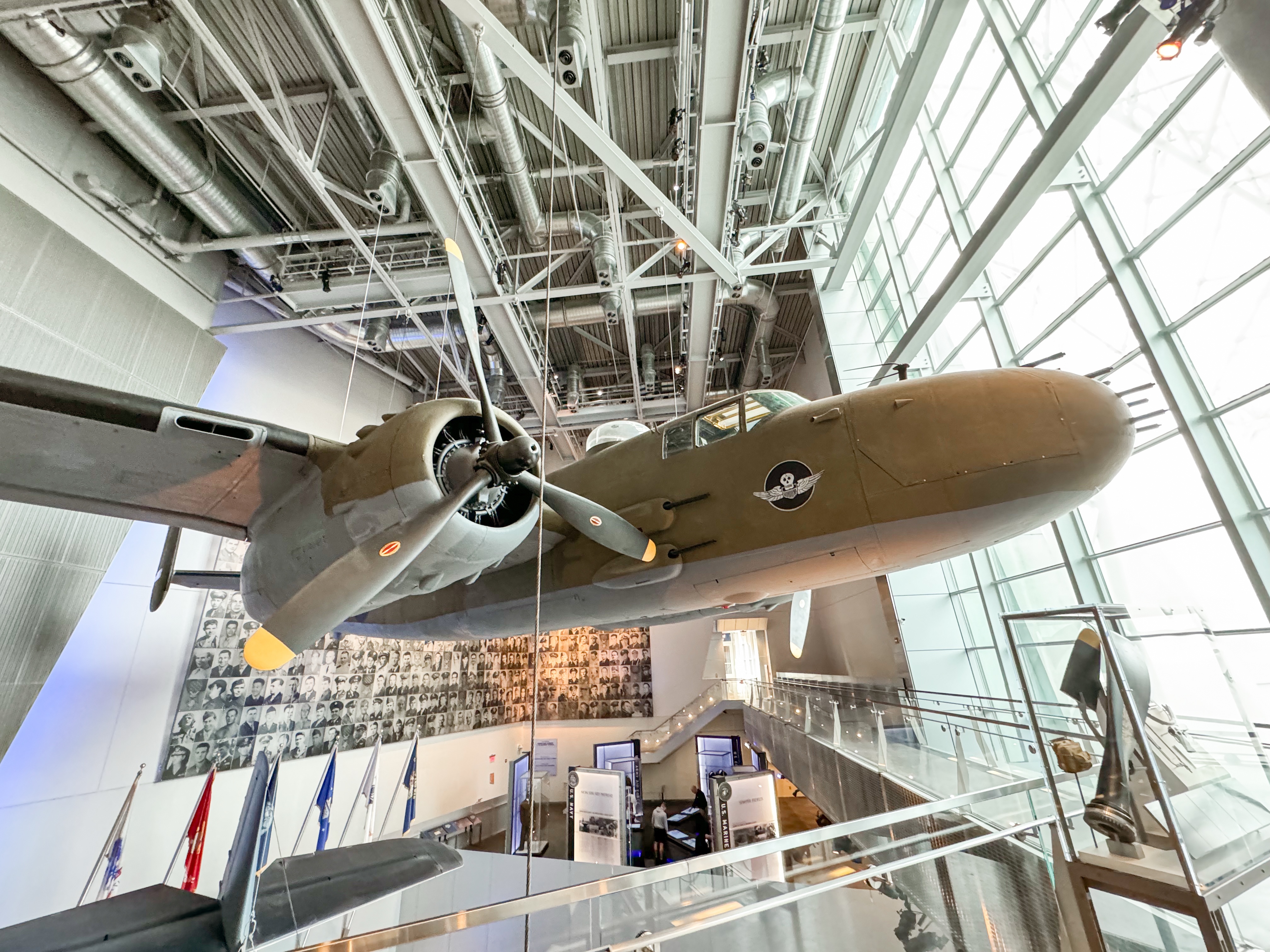
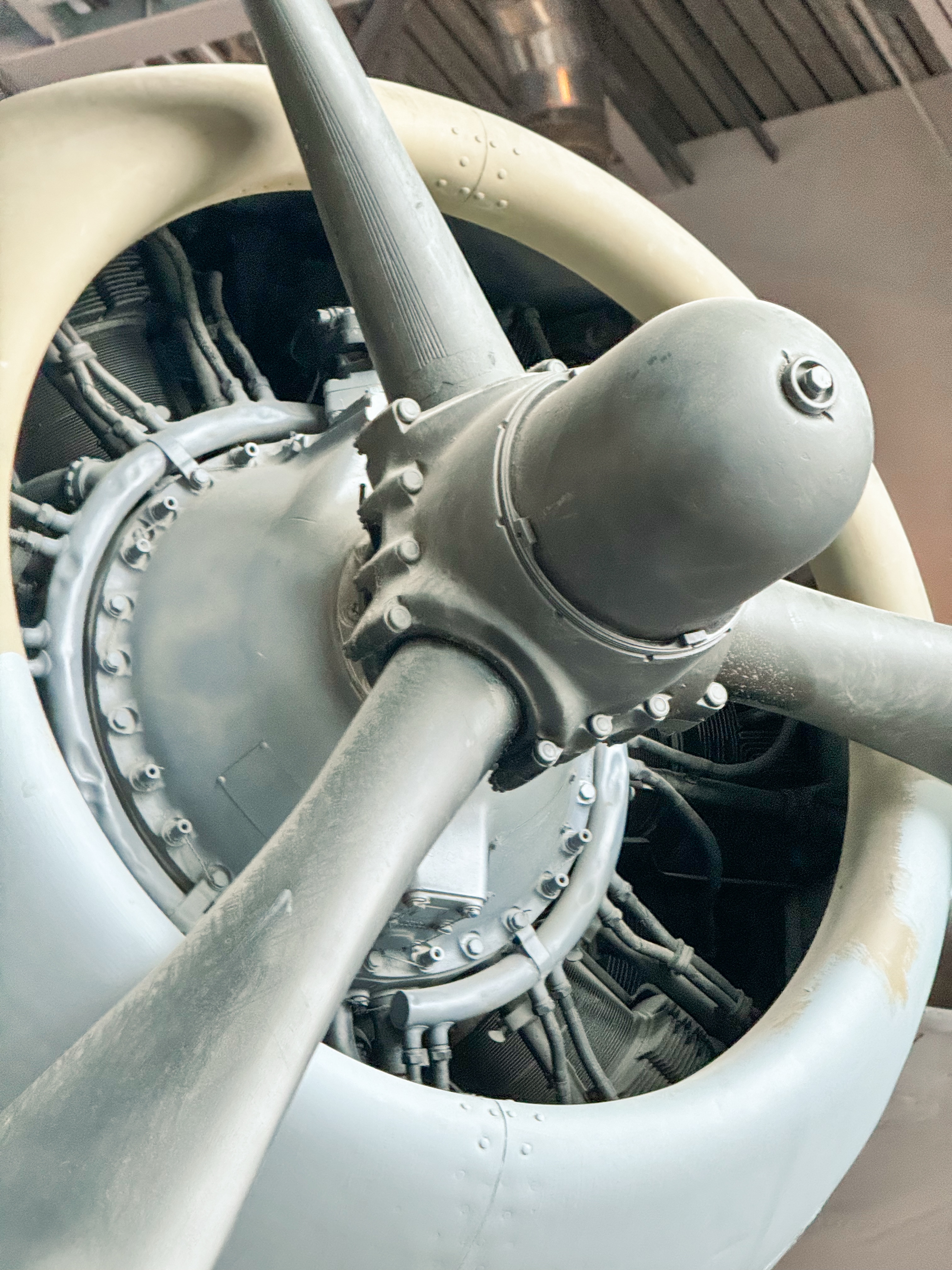
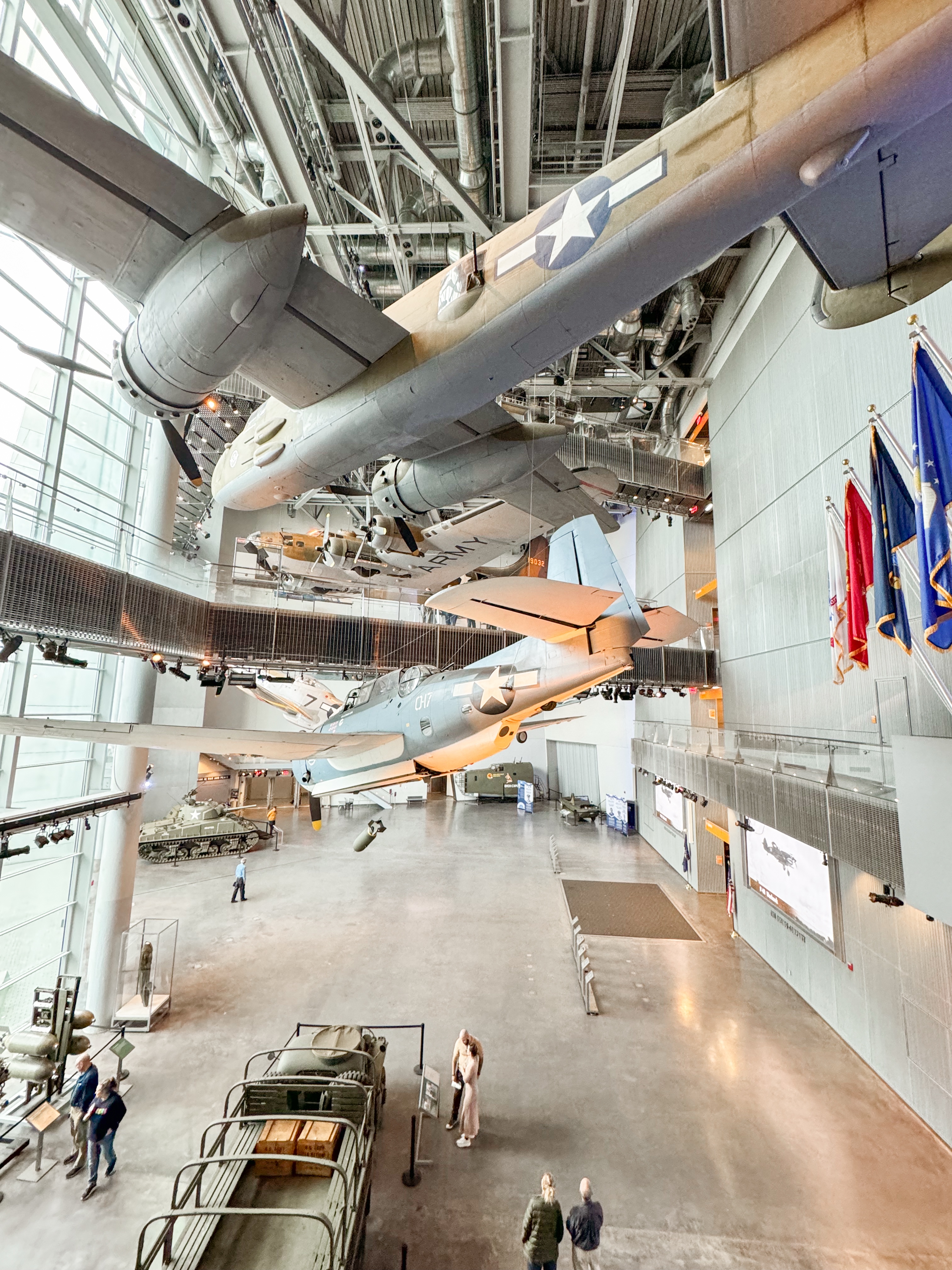
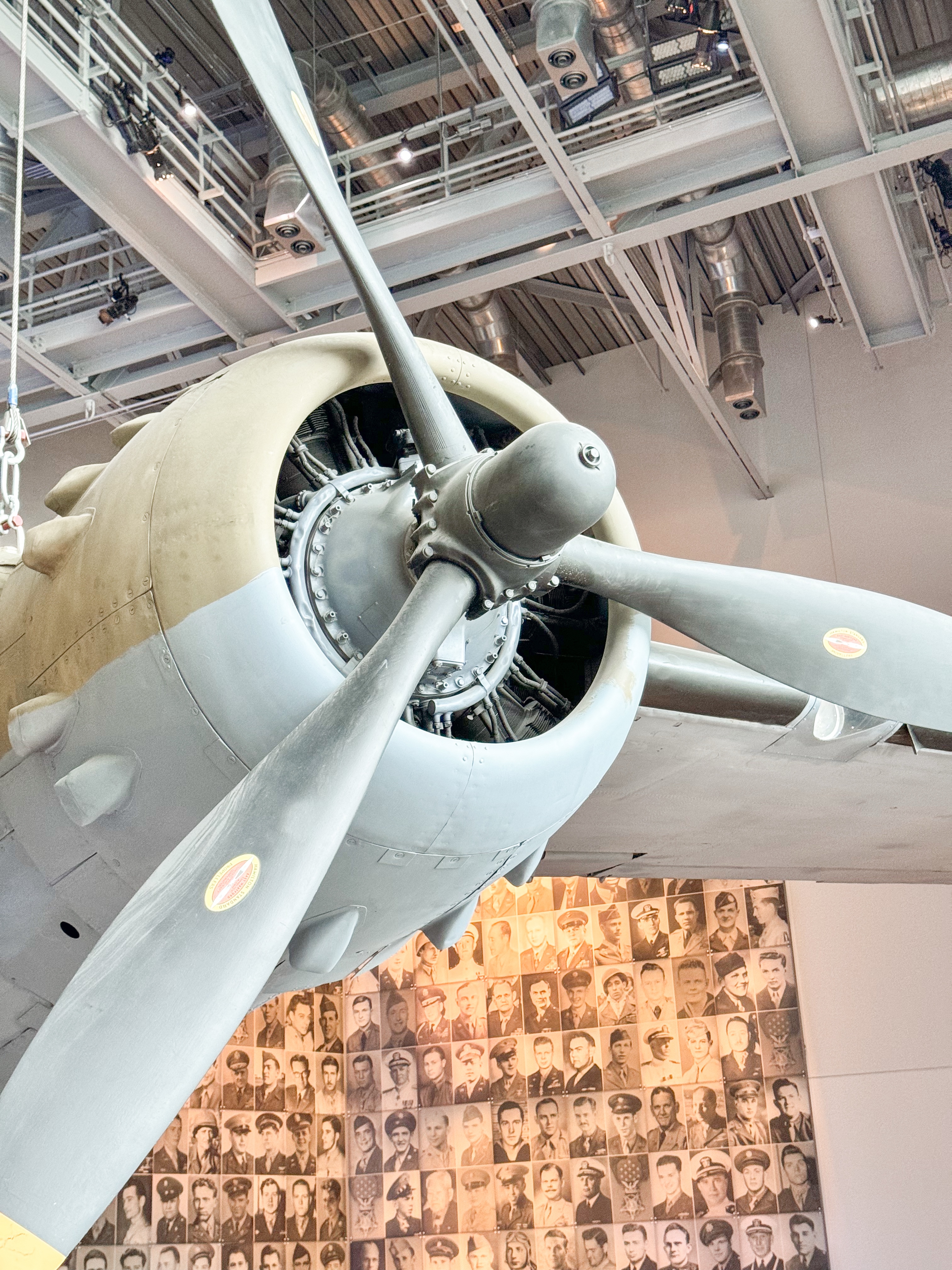
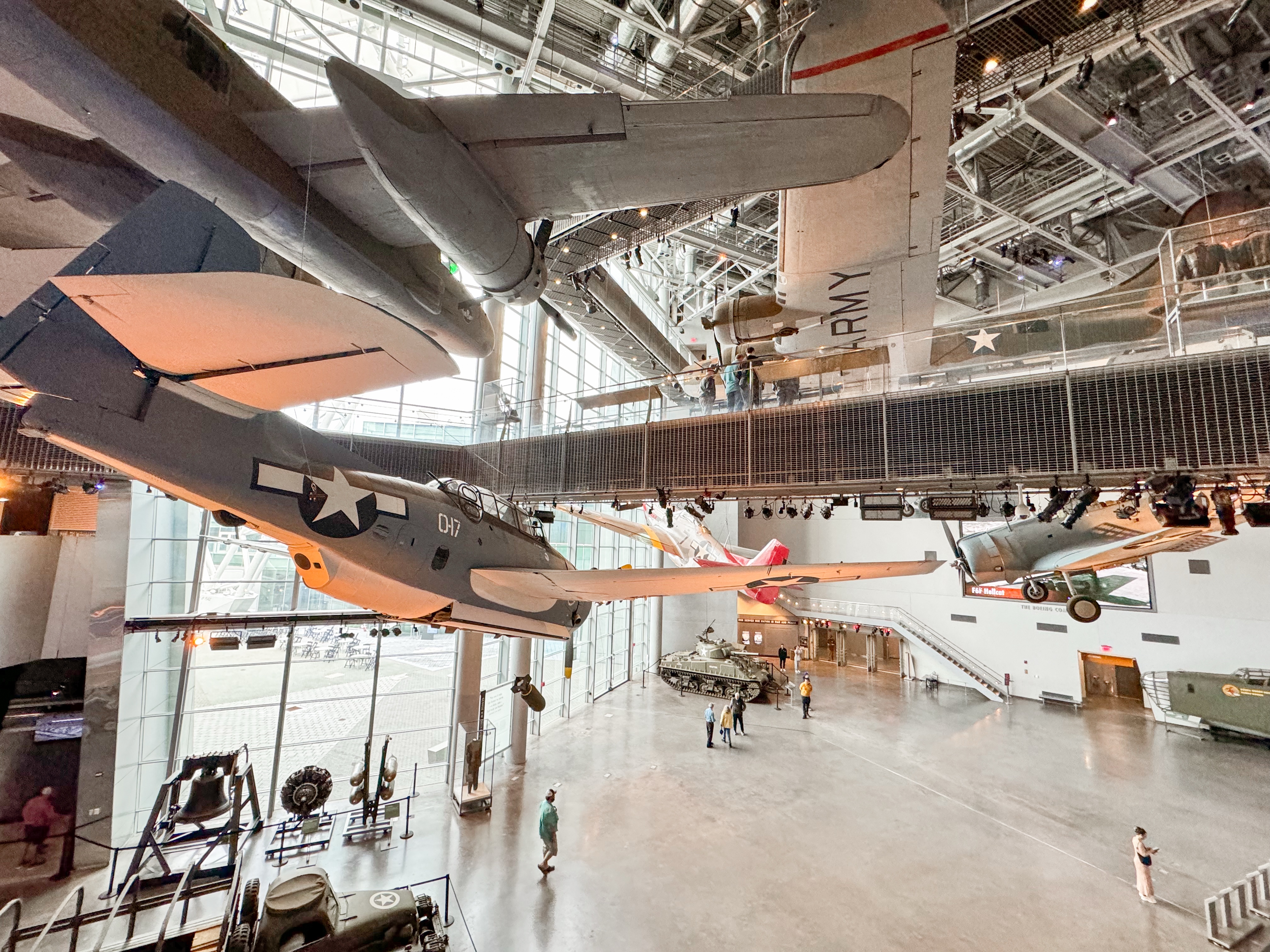
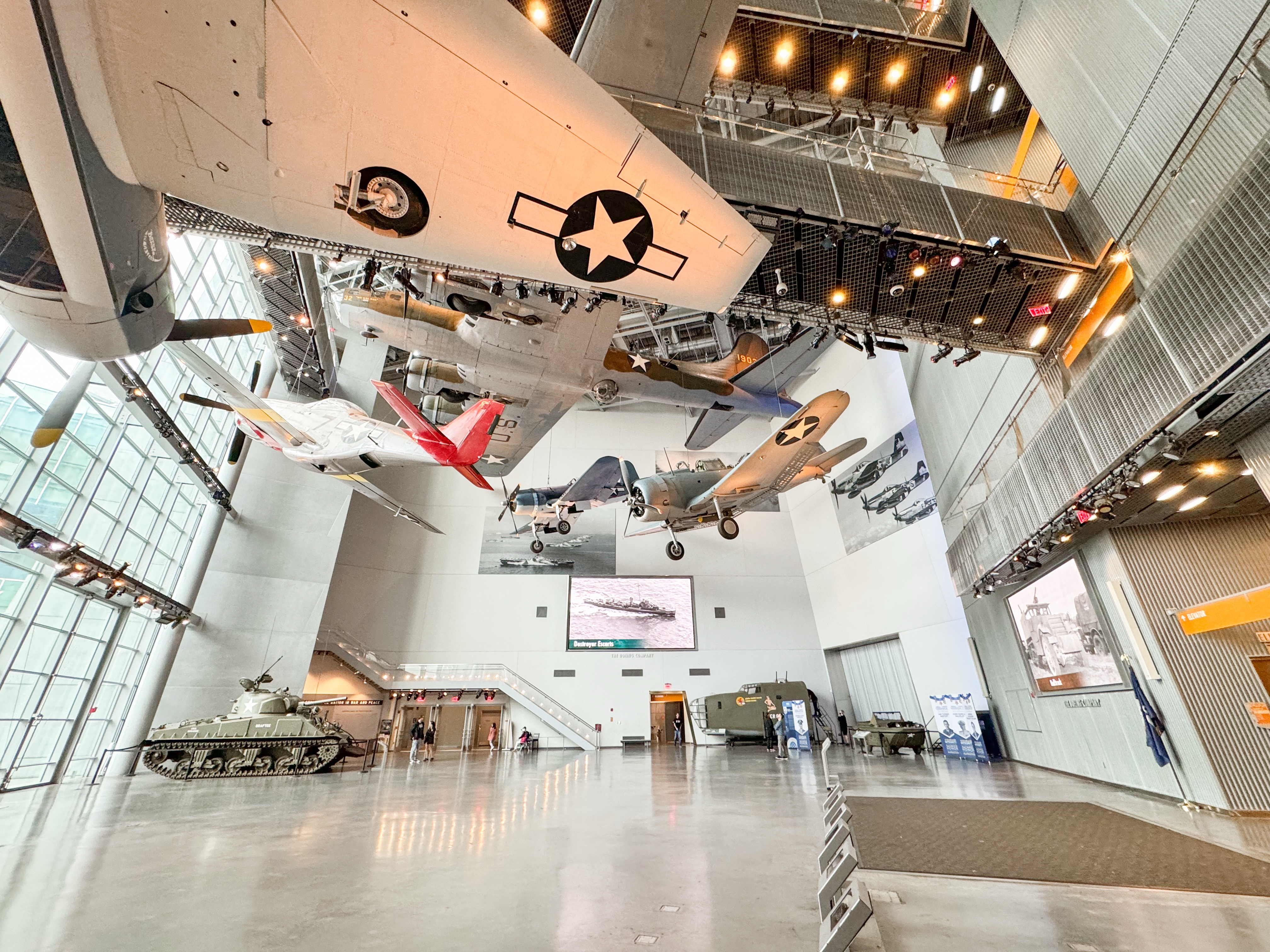
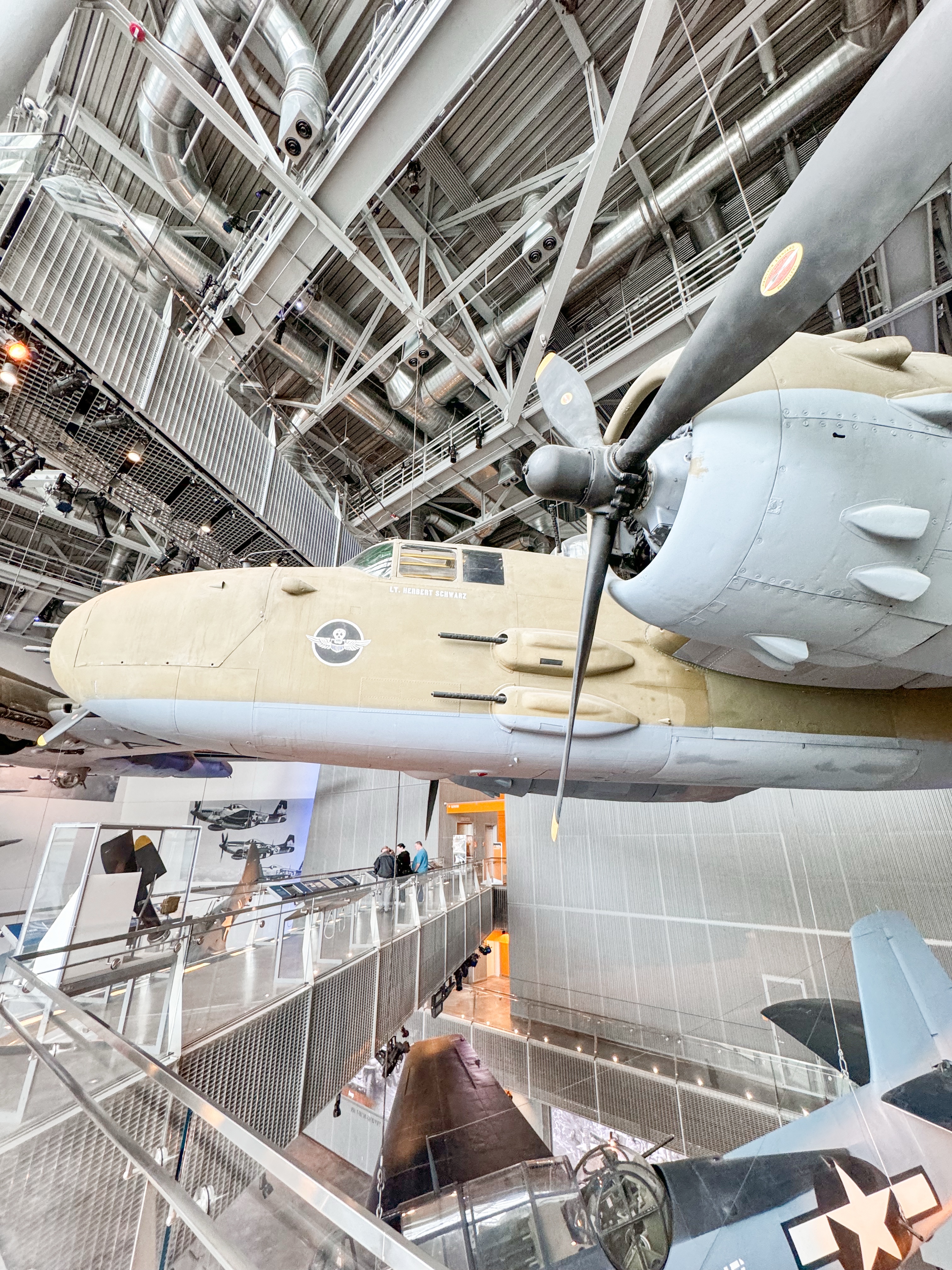
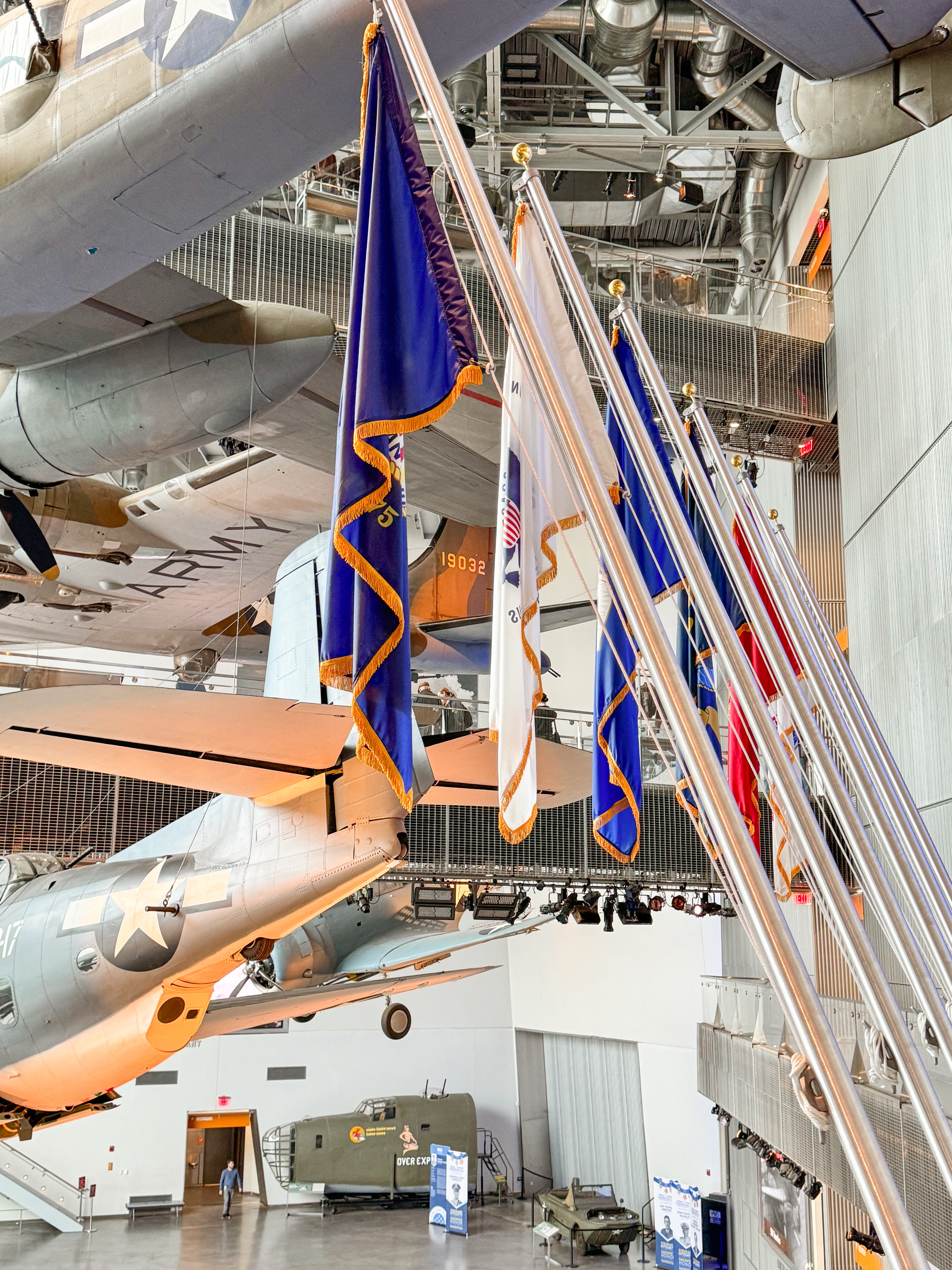
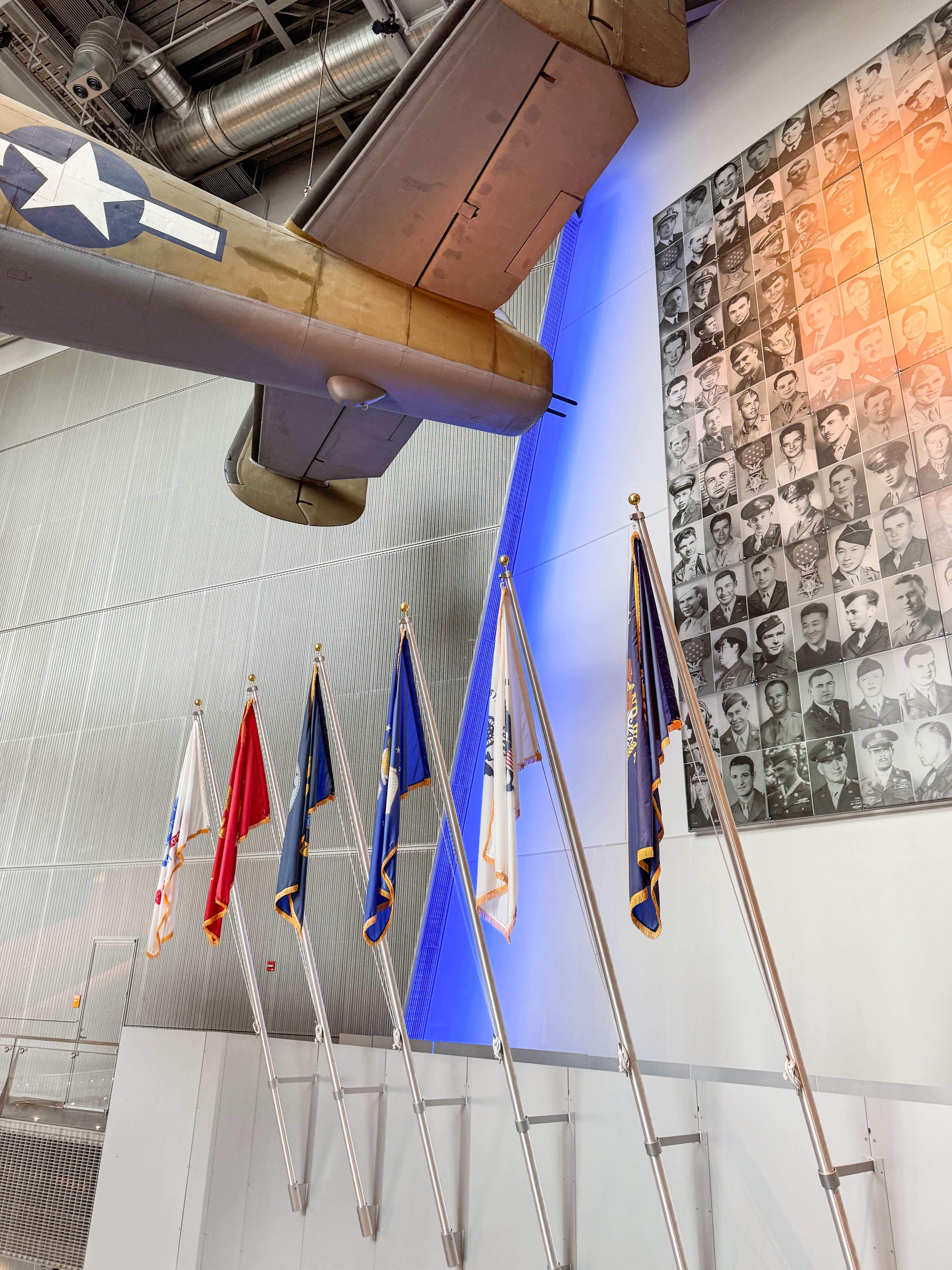
I began my visit to the museum by visiting the US Freedom Pavilion: The Boeing Center, which is building number five. The photos don’t do it justice for the enormity of the building and the impressive aircraft that are housed within its walls. As I stepped inside, I was immediately struck by the sheer scale of the exhibits, with each aircraft meticulously displayed to showcase its design and historical significance. The atmosphere buzzed with excitement, and I found myself completely captivated, standing in awe of the engineering marvels that loomed above me. Growing up, I had a fleeting dream of becoming a fighter pilot, often imagining myself soaring through the sky, navigating the clouds with skill and precision. As I gazed at the remarkable planes, memories of those childhood aspirations flooded back, igniting a sense of nostalgia and inspiration that transformed my visit into a deeply personal experience.
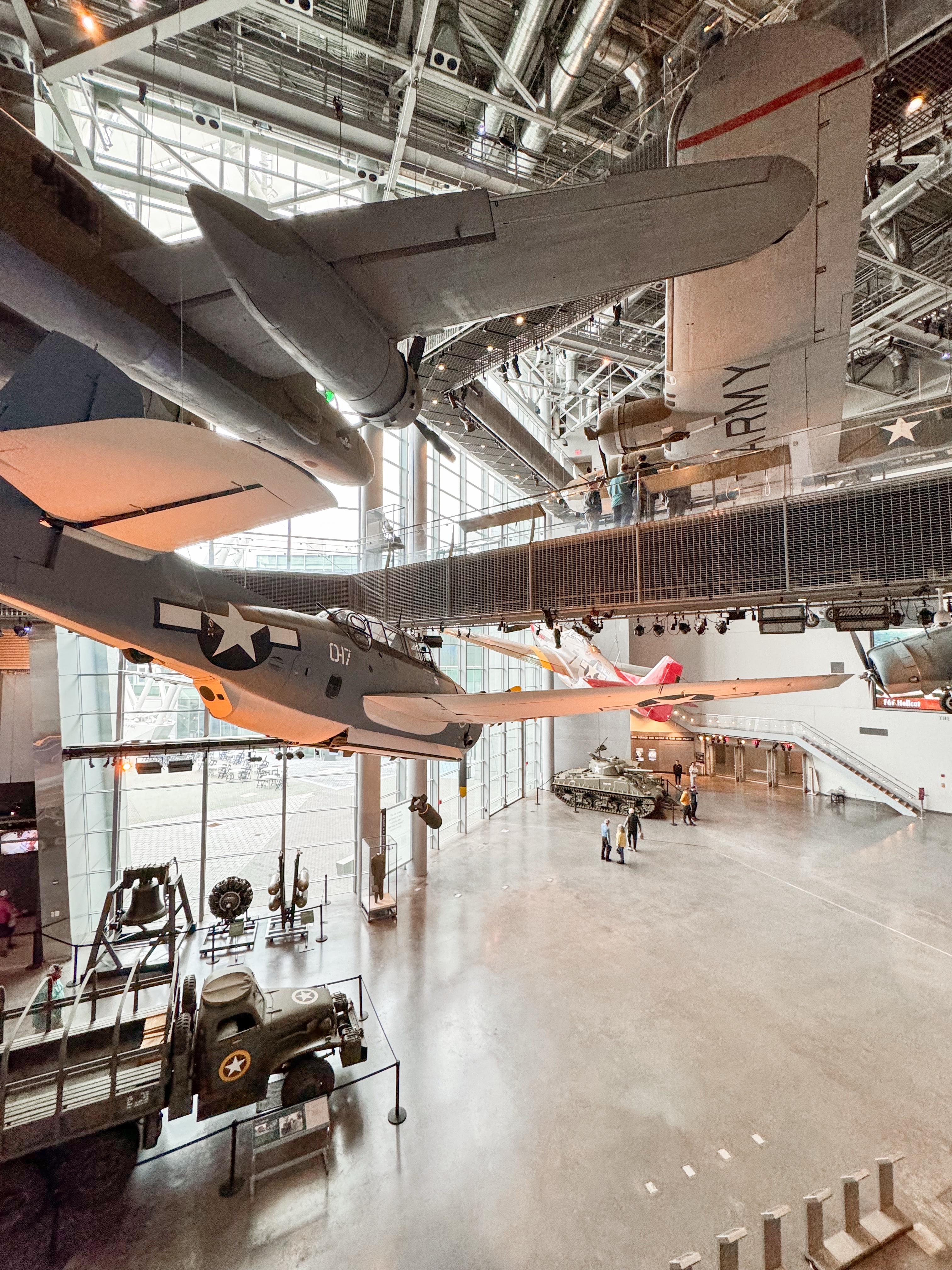
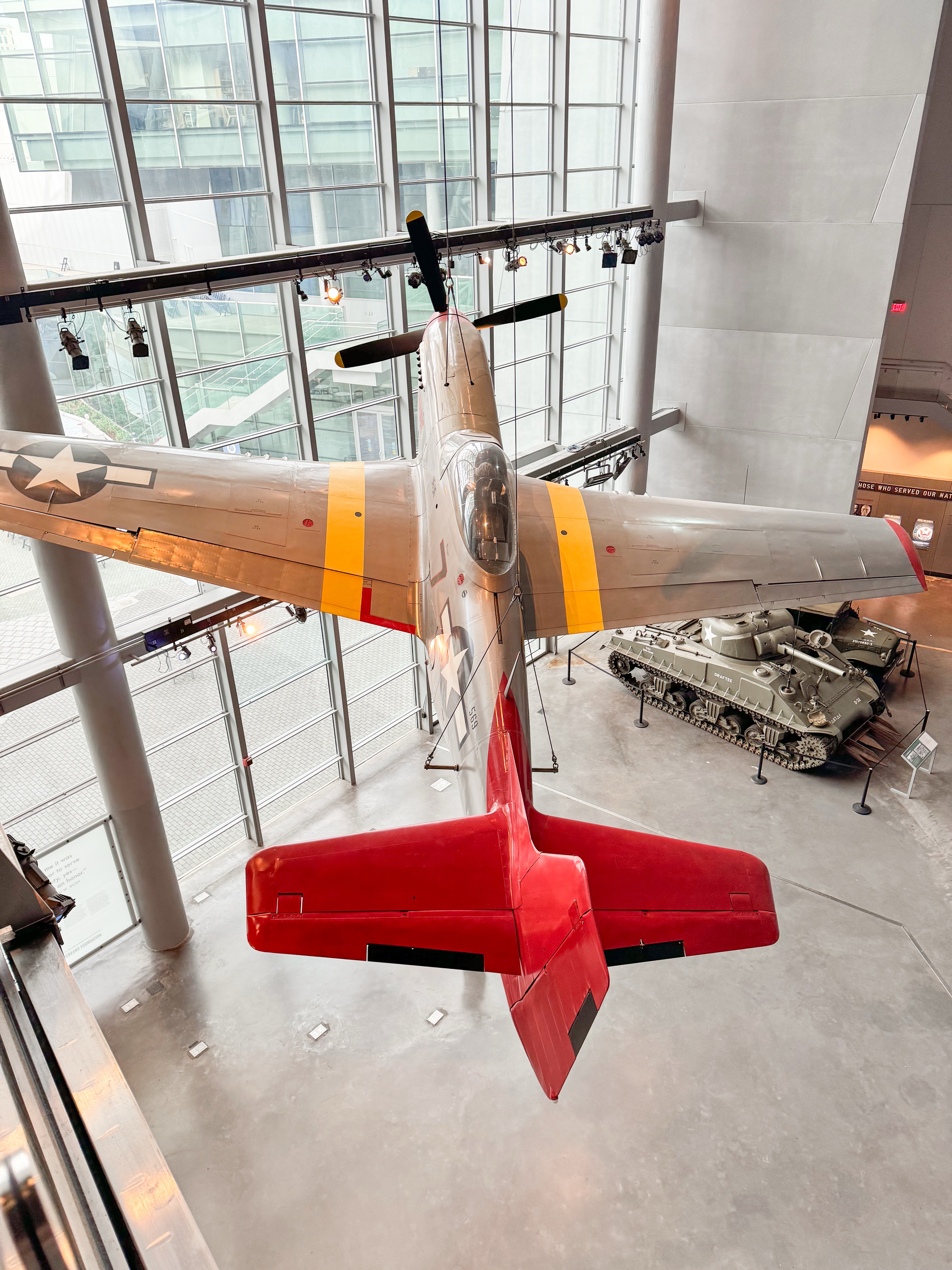
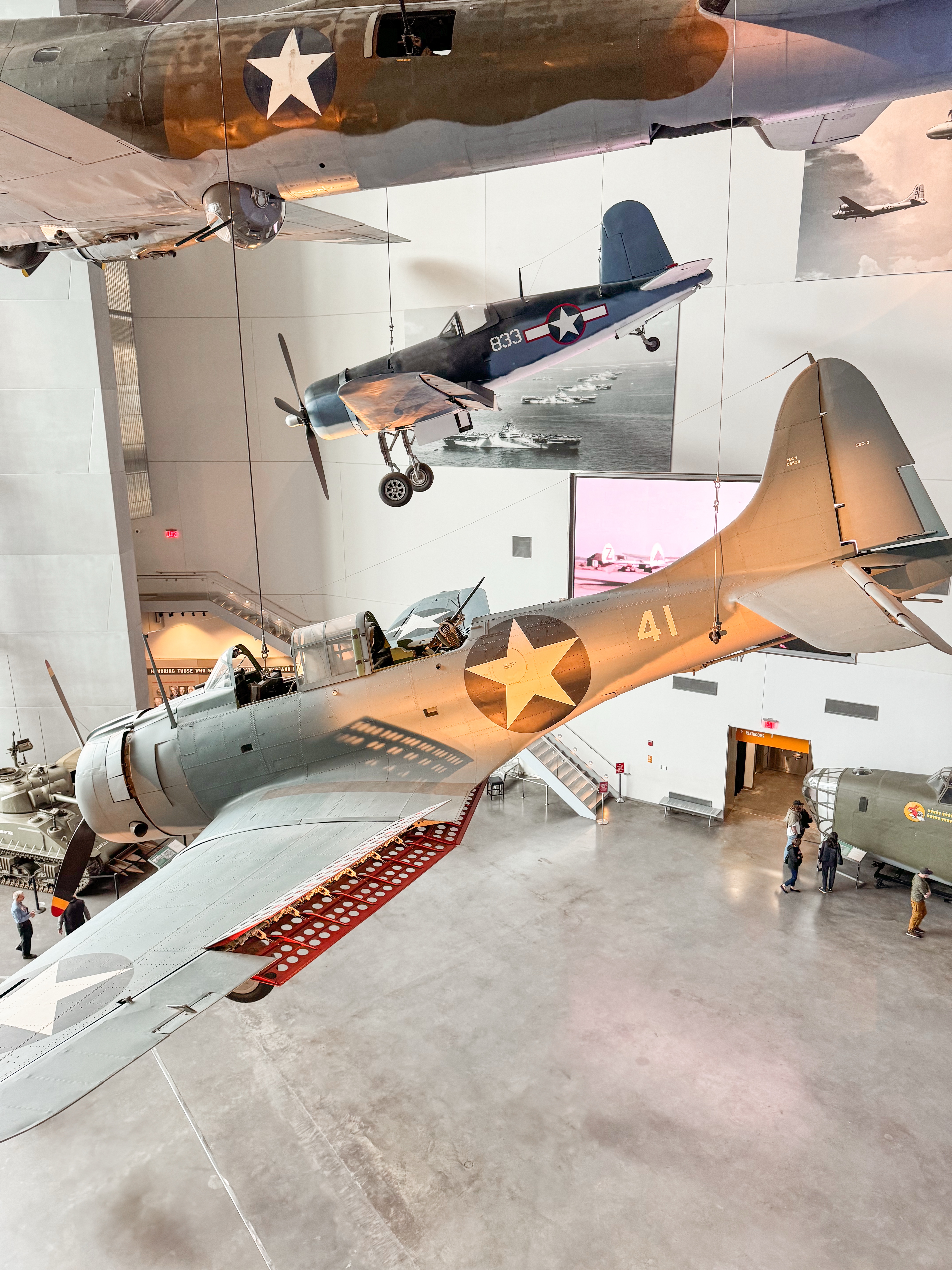
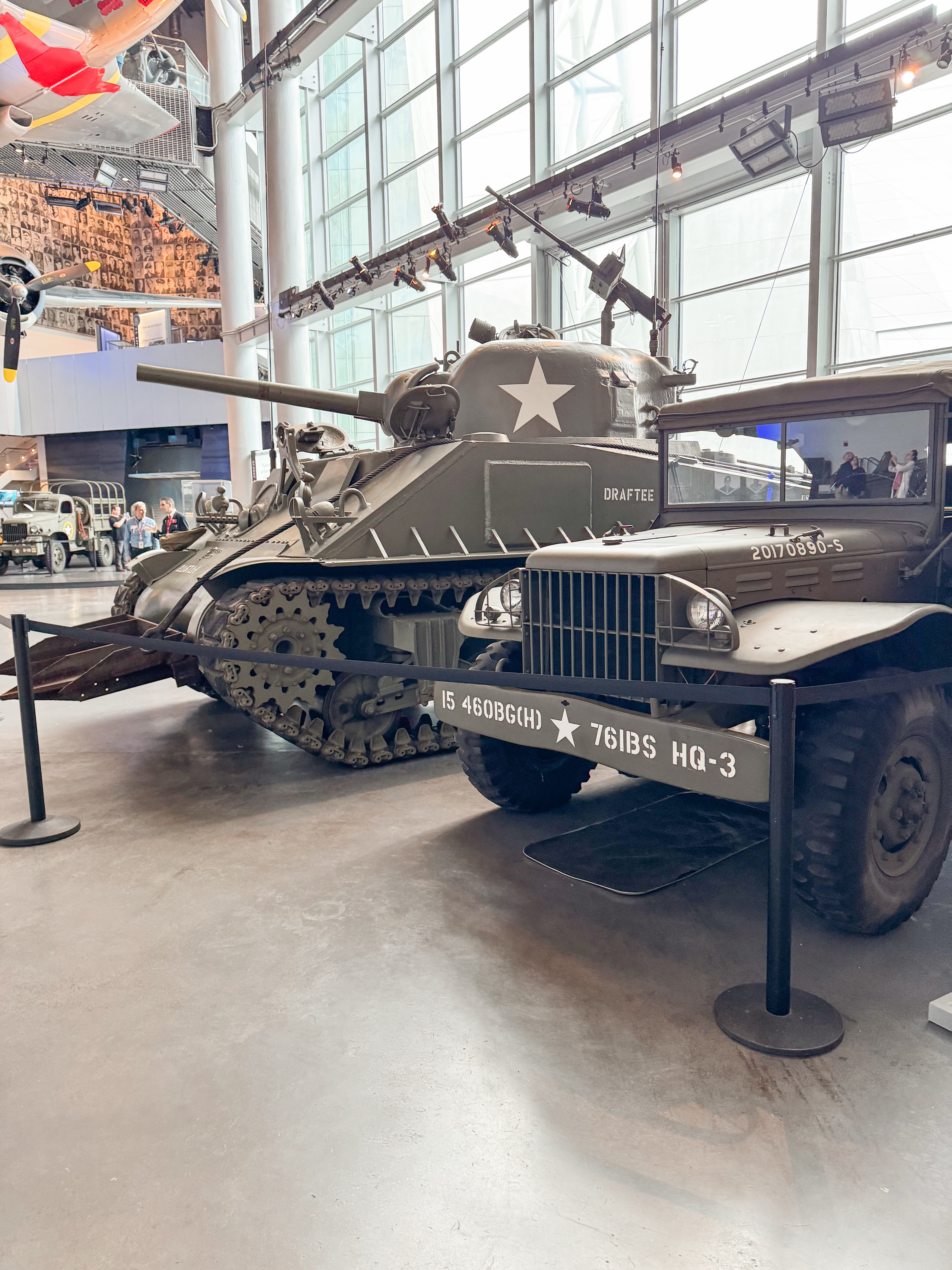
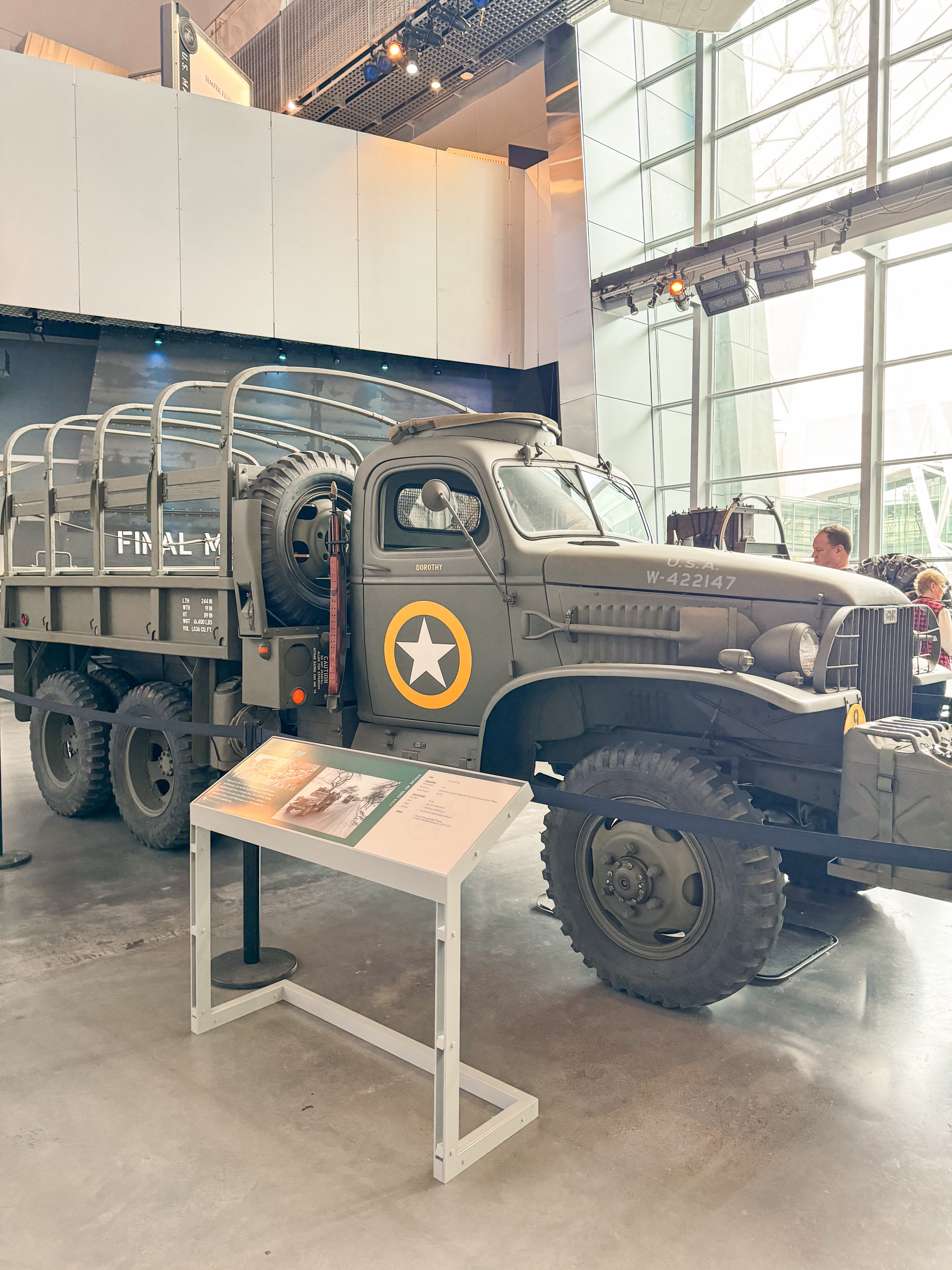
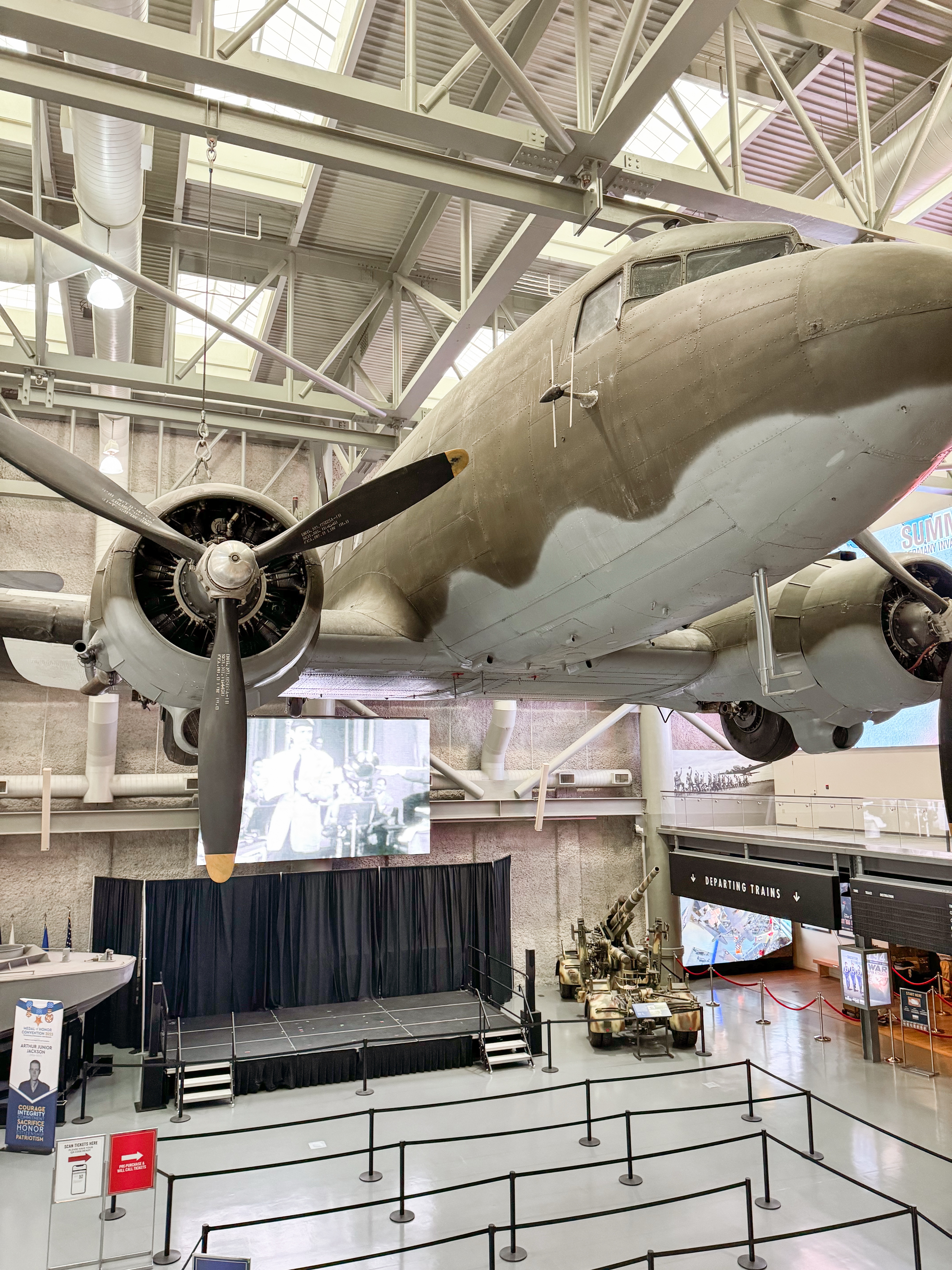
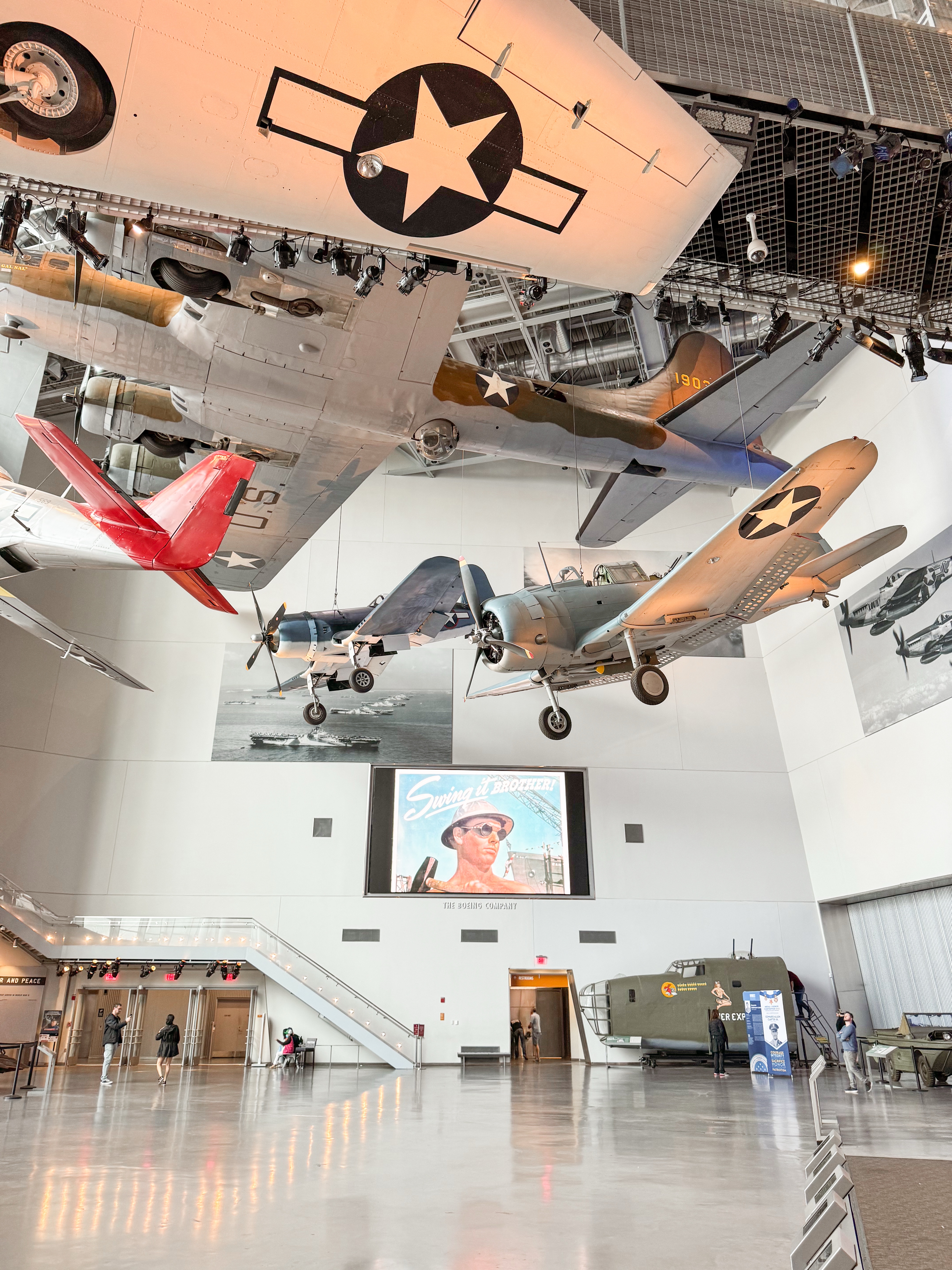
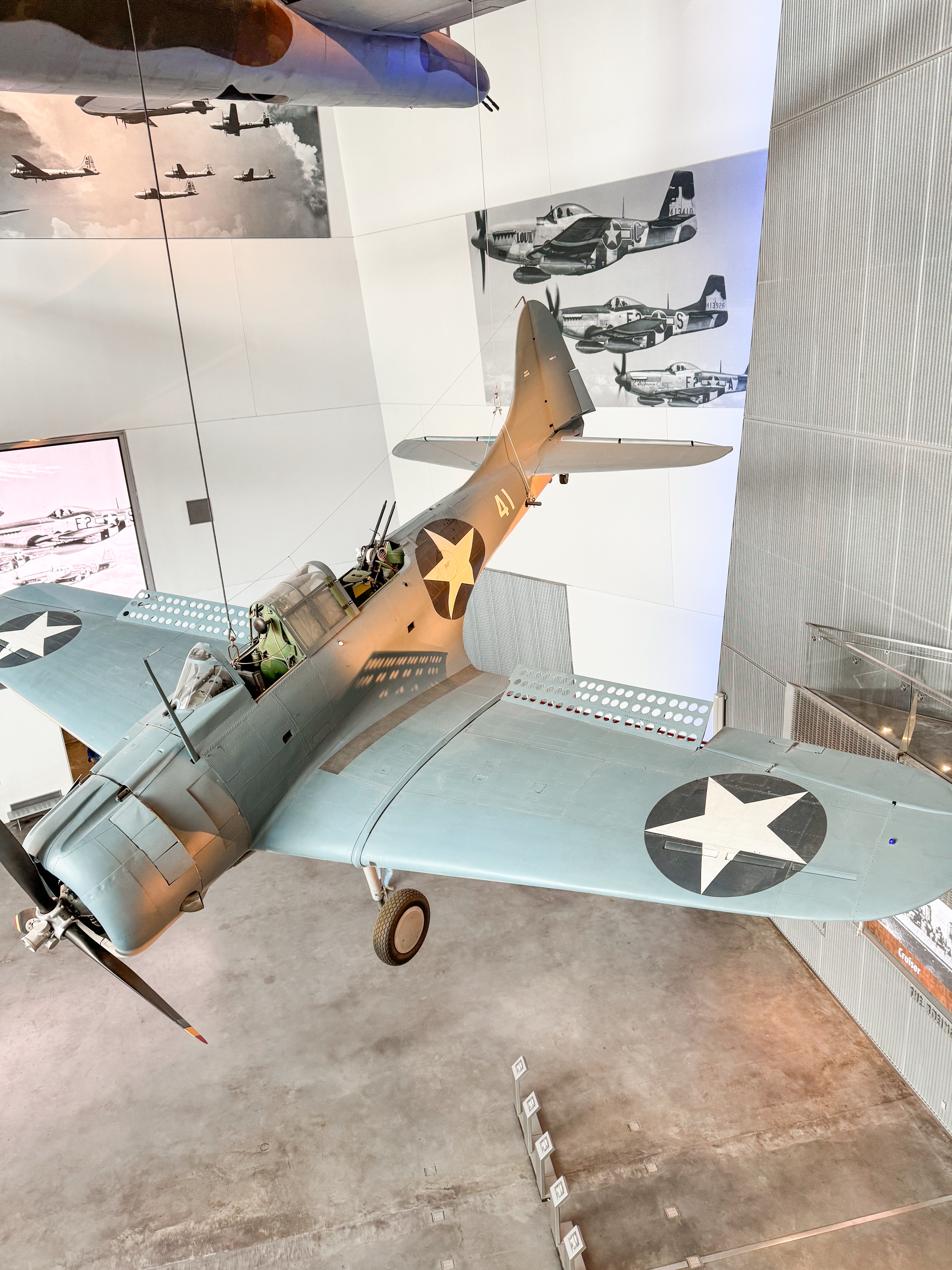
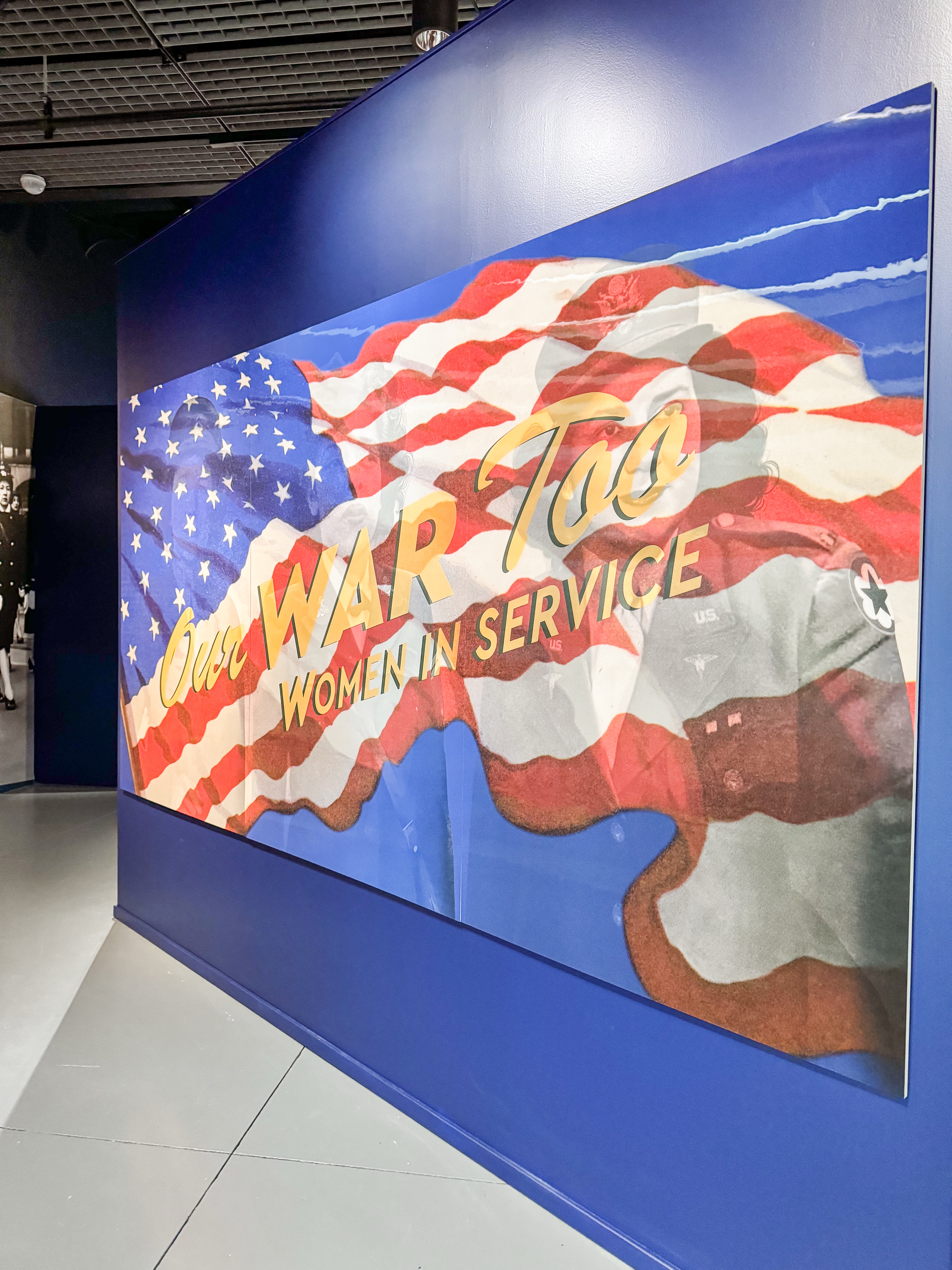
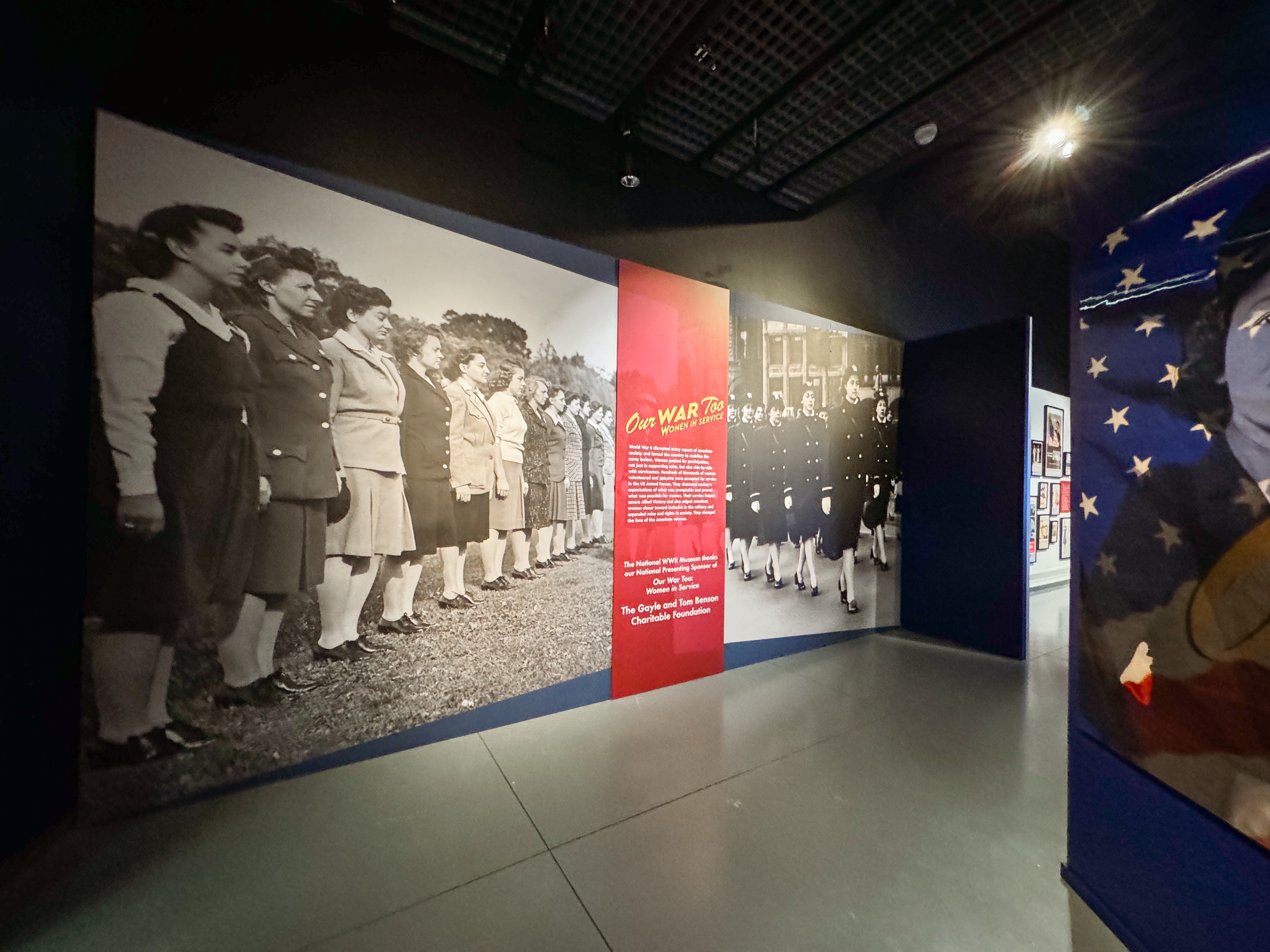
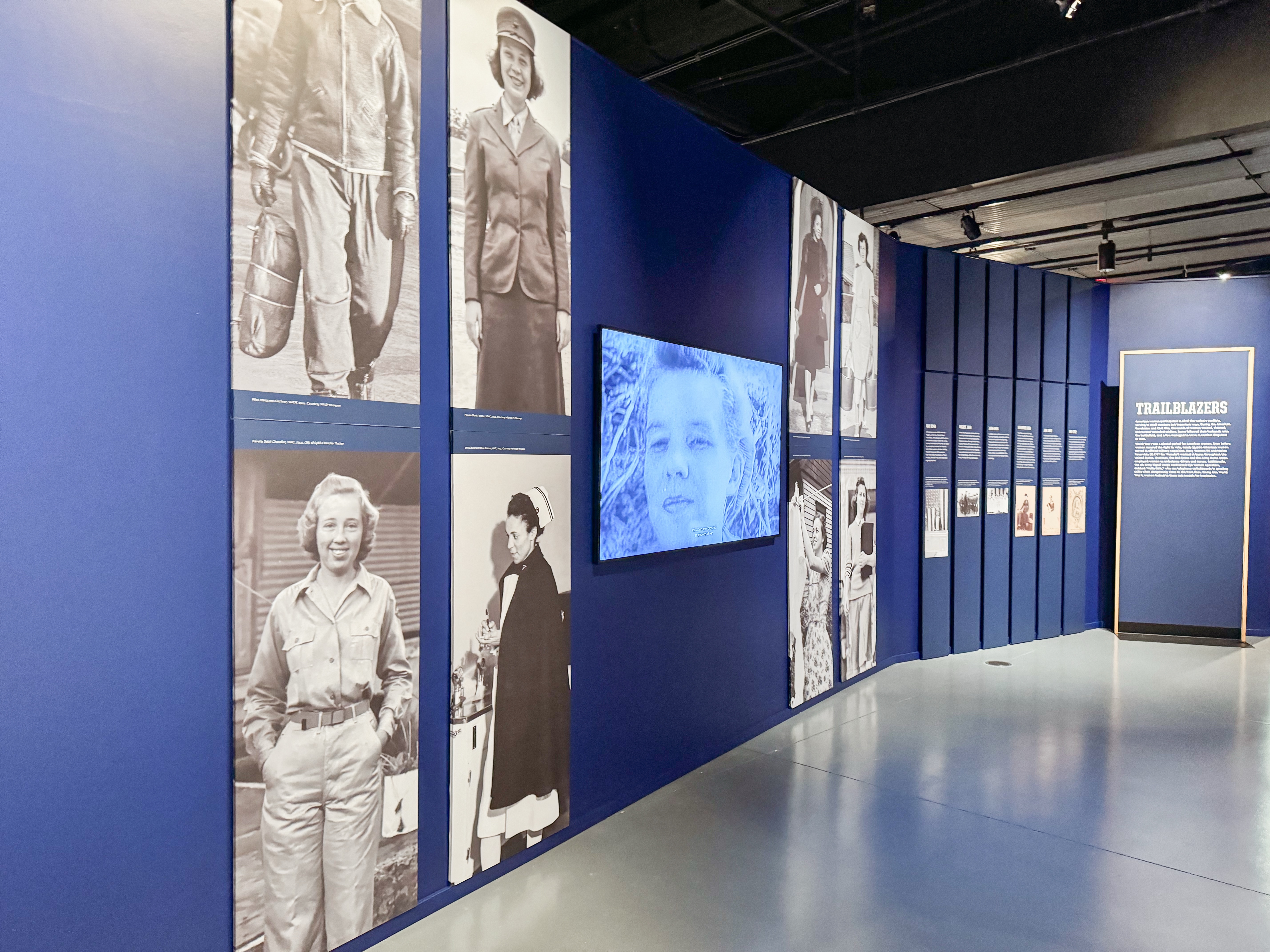
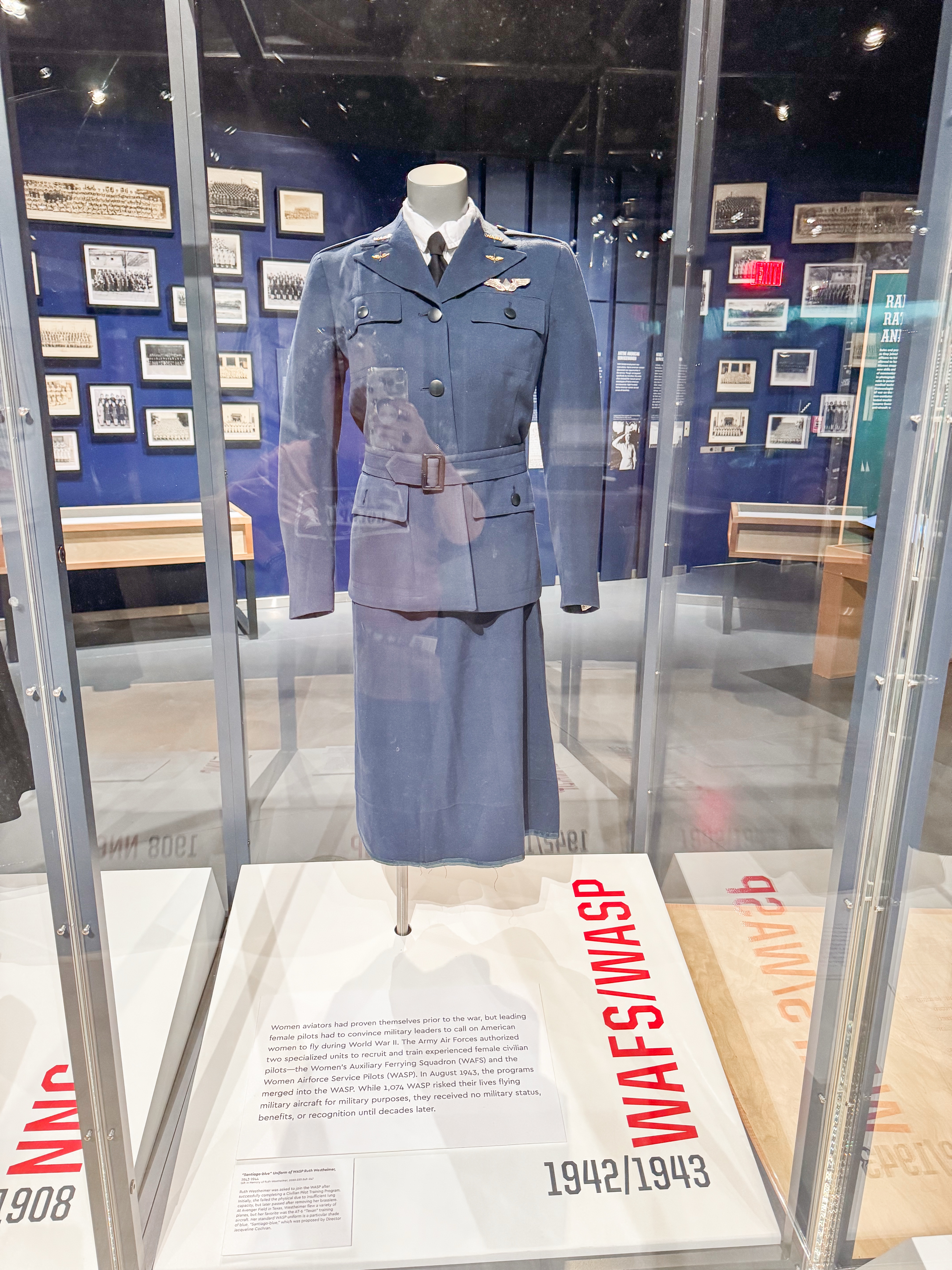
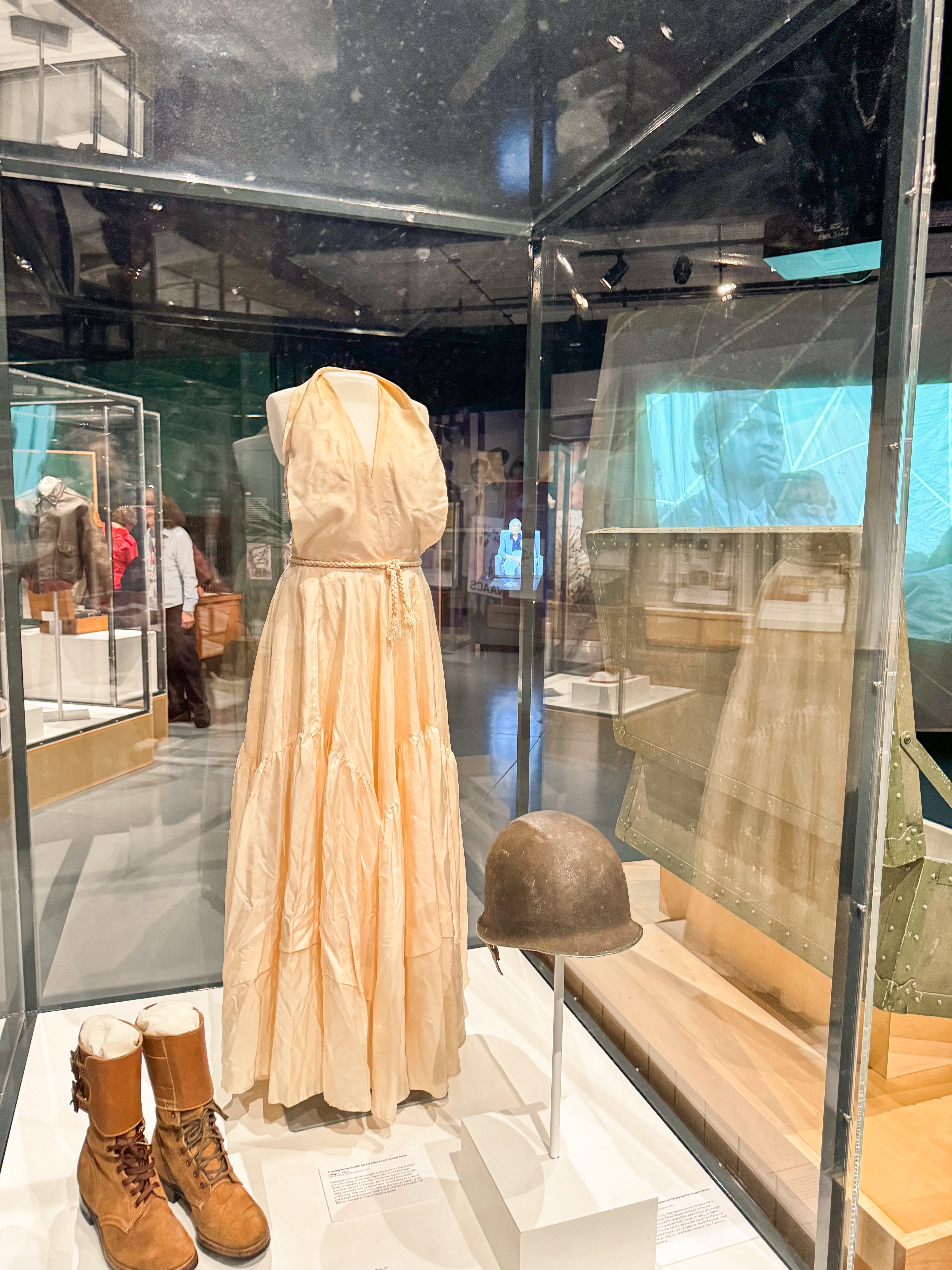
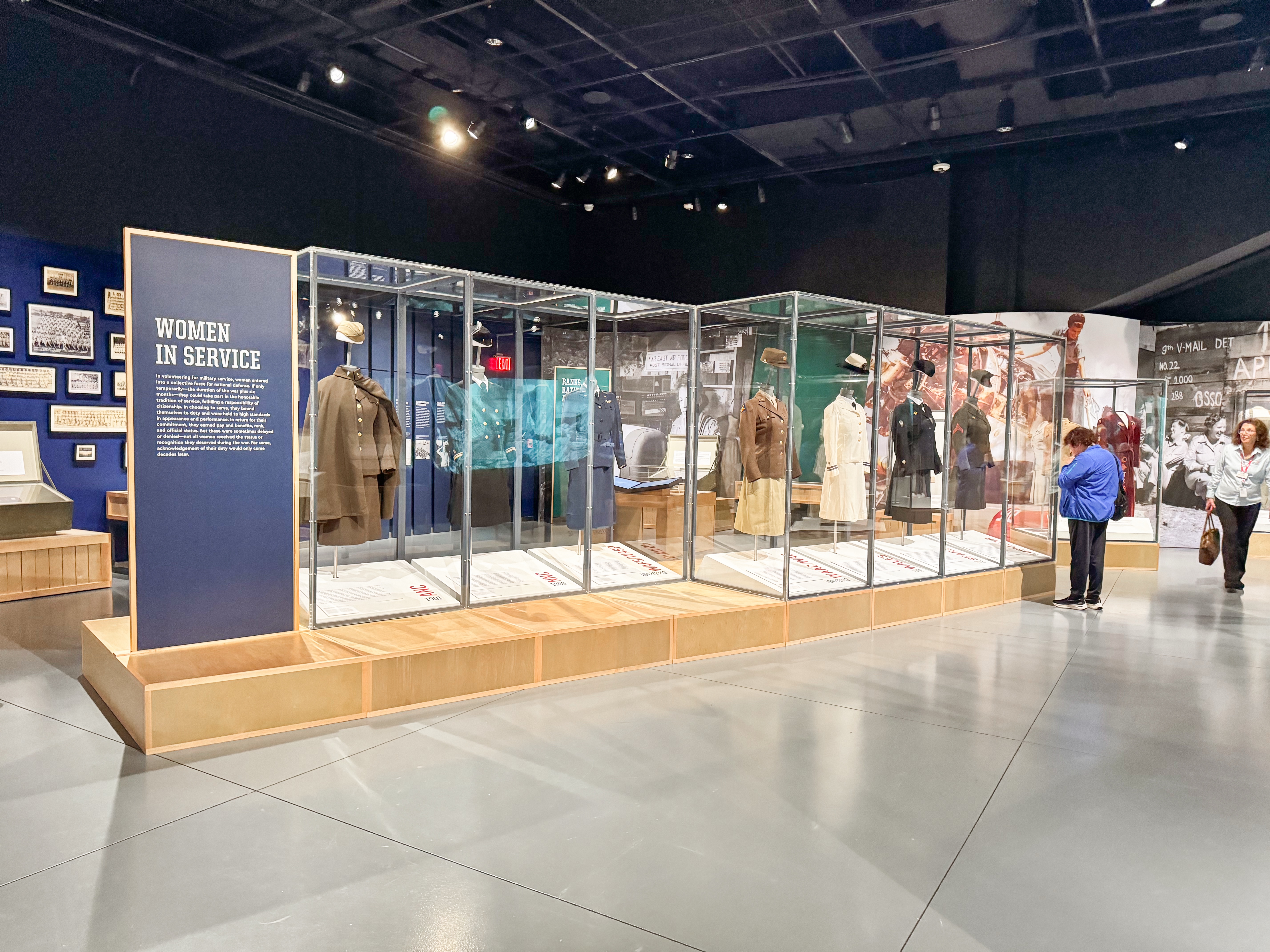
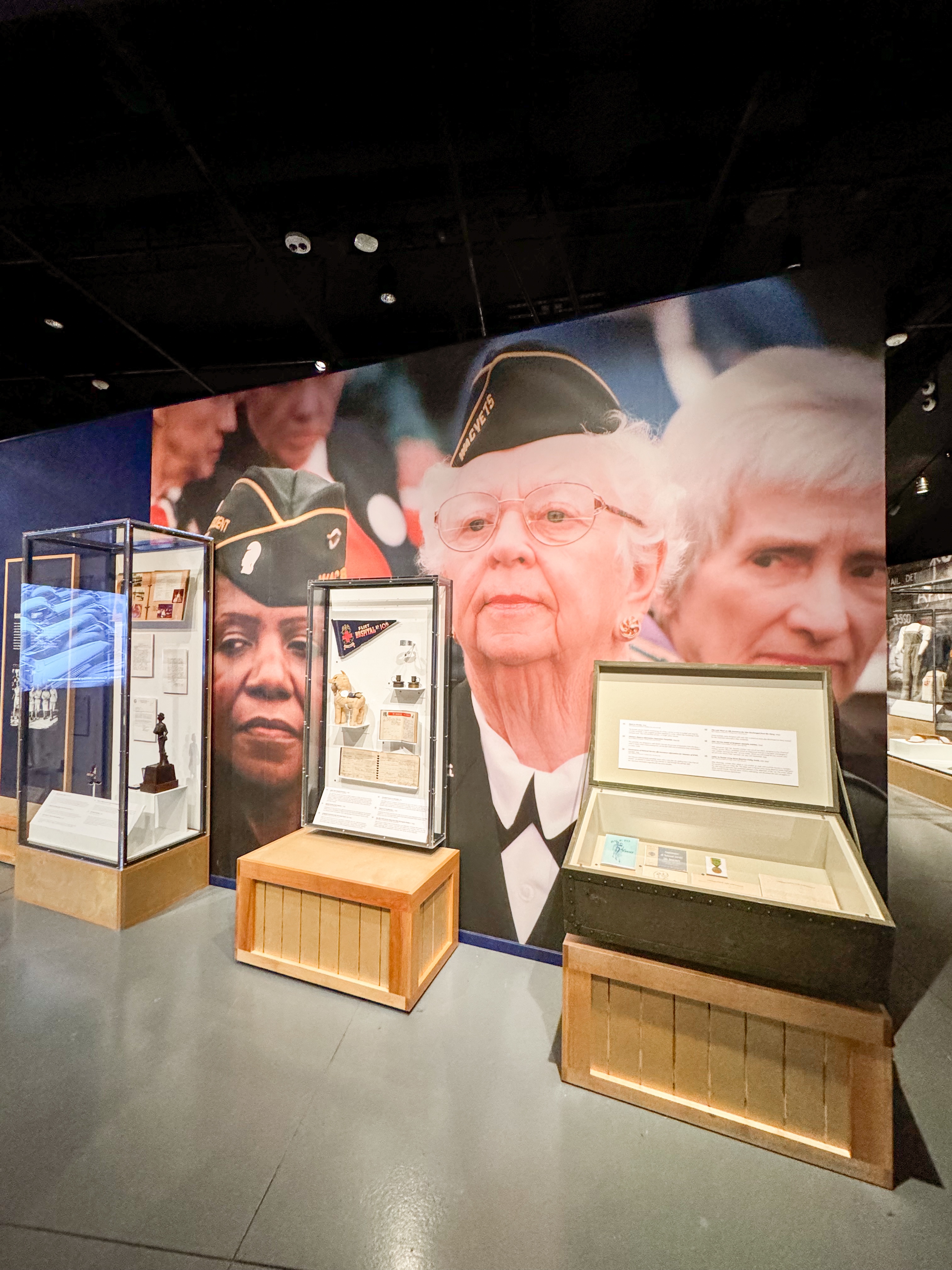
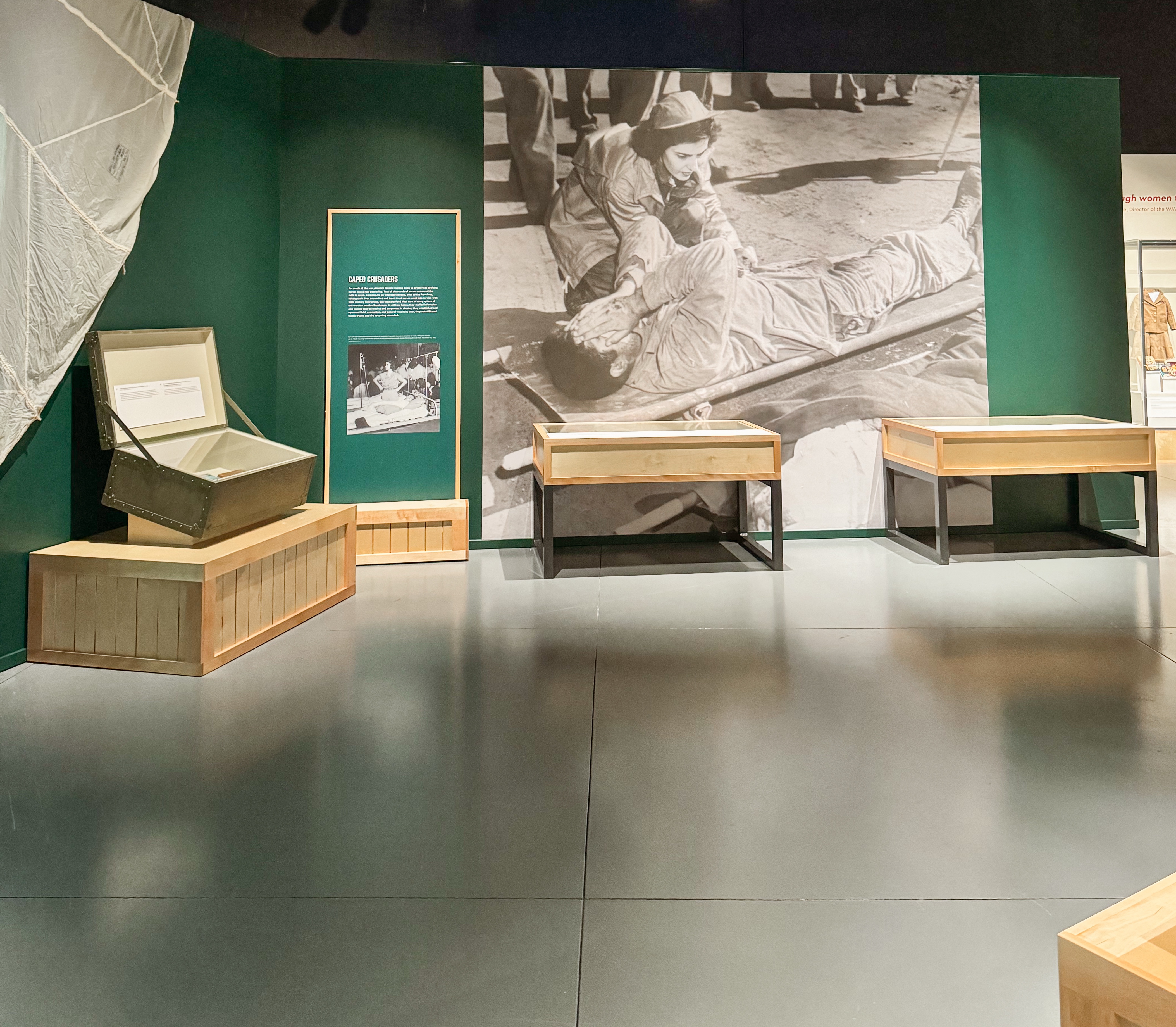
While I was visiting the World War II Museum, there was a special exhibit titled Our War Too: Women in Service. It was incredibly enlightening to see how women played crucial roles during the war, stepping into various positions that were traditionally held by men. The exhibits featured a range of artifacts, personal stories, and historical photographs that highlighted their sacrifices and contributions to the war effort. The exhibit is set to travel to a couple of locations over the next two years, allowing more people to appreciate and learn about the vital impact of women in service during this pivotal time in history. I highly recommend to check it out if it comes to their area.
Pacific Theater
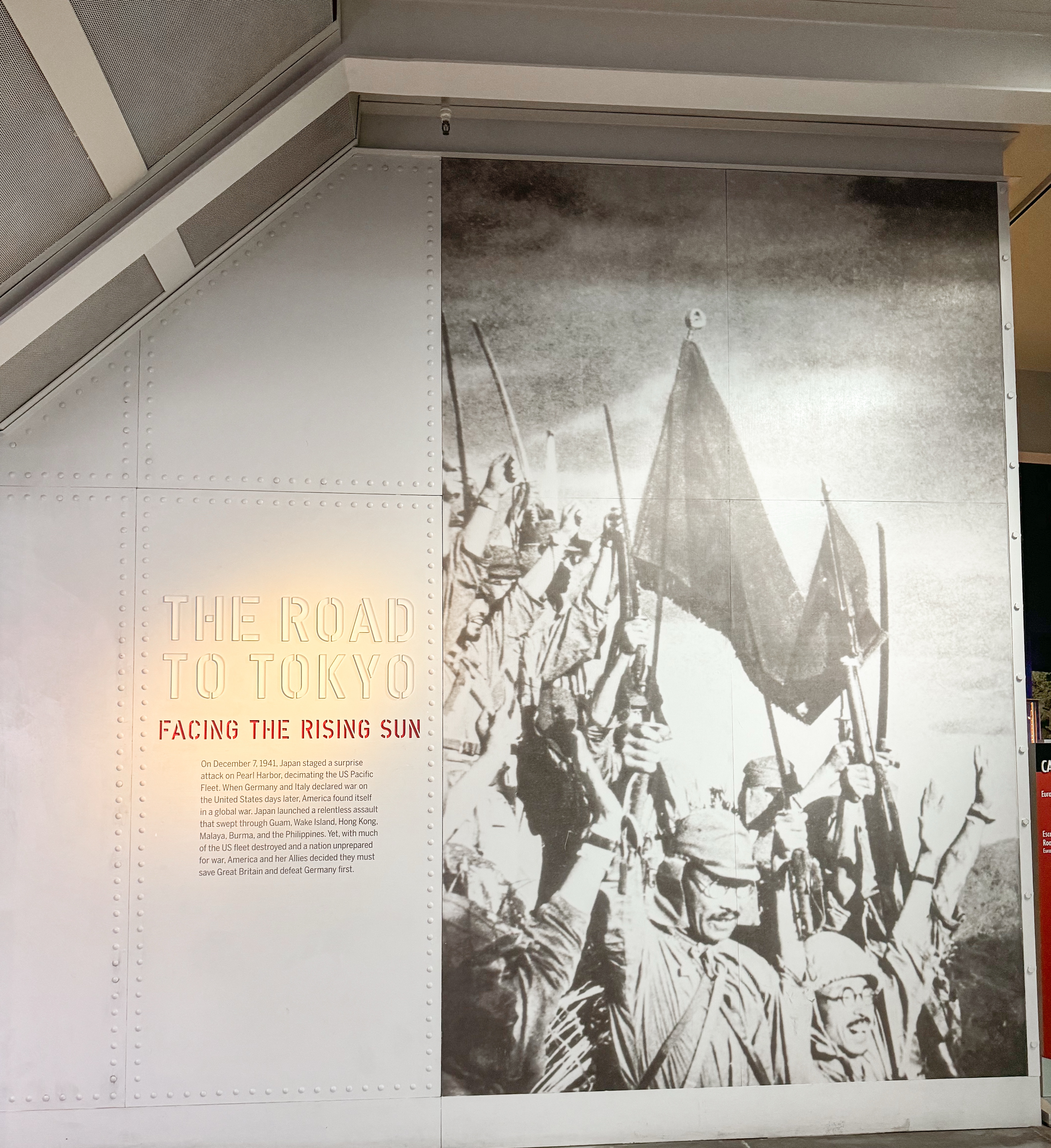
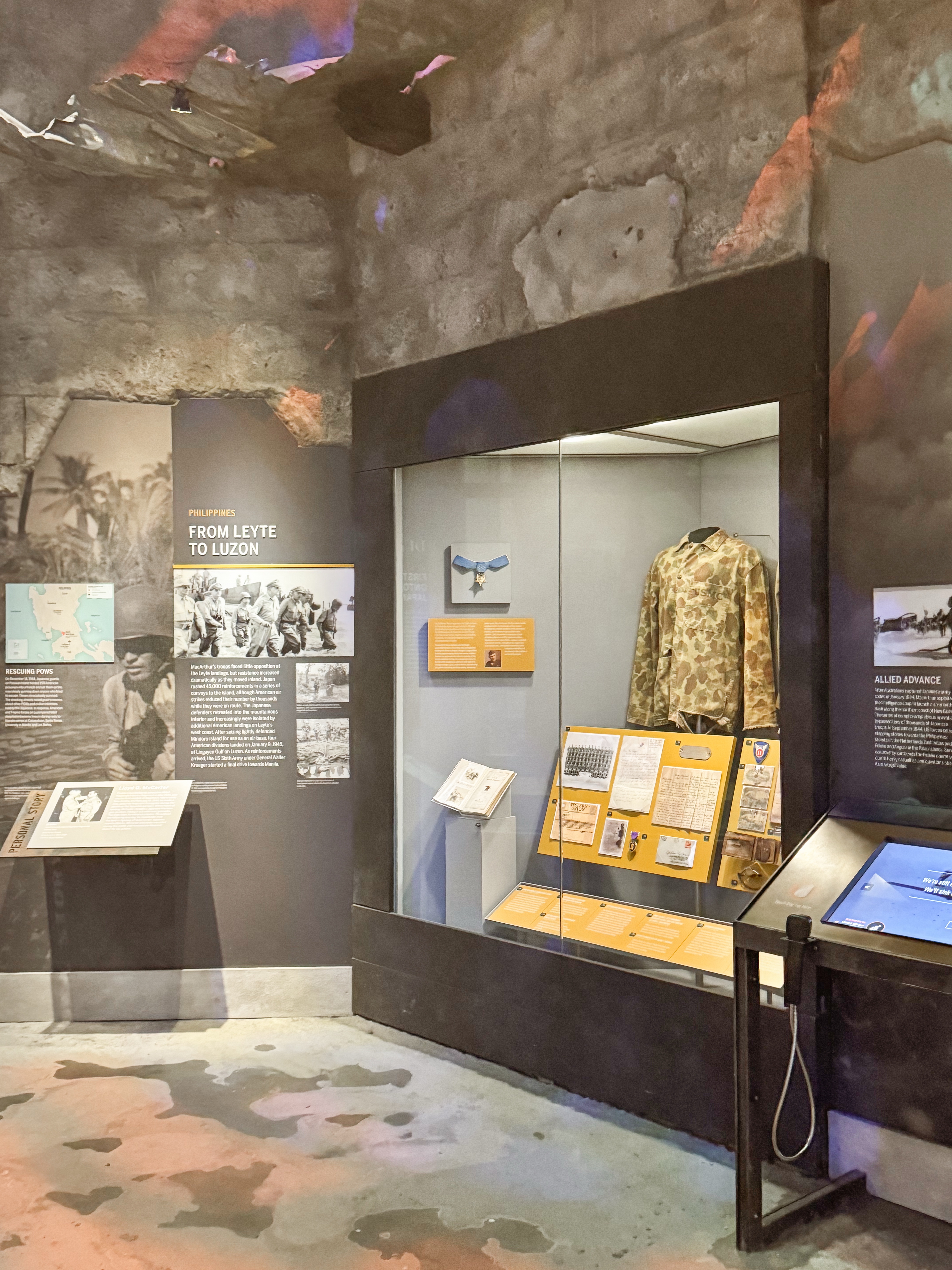
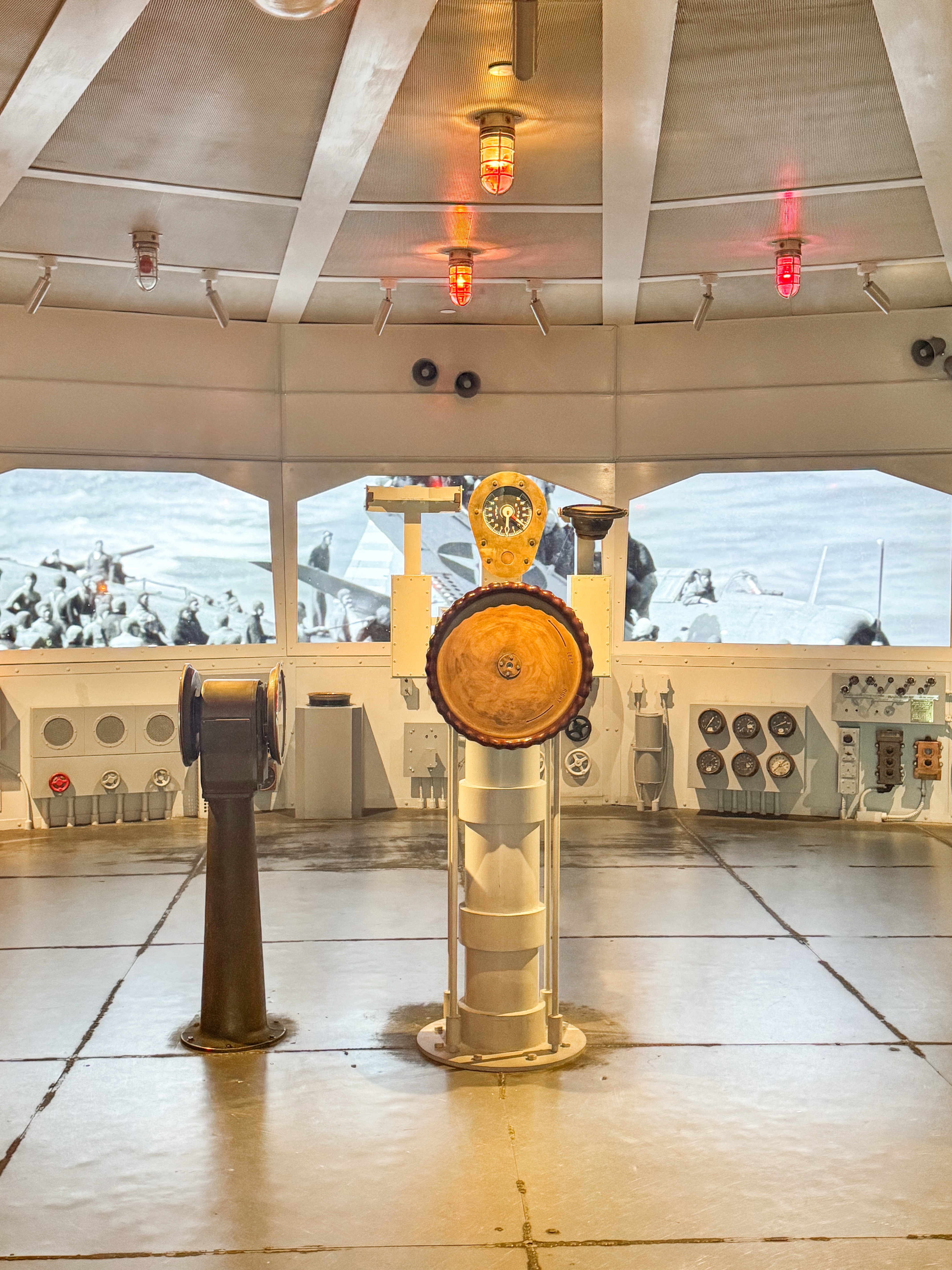
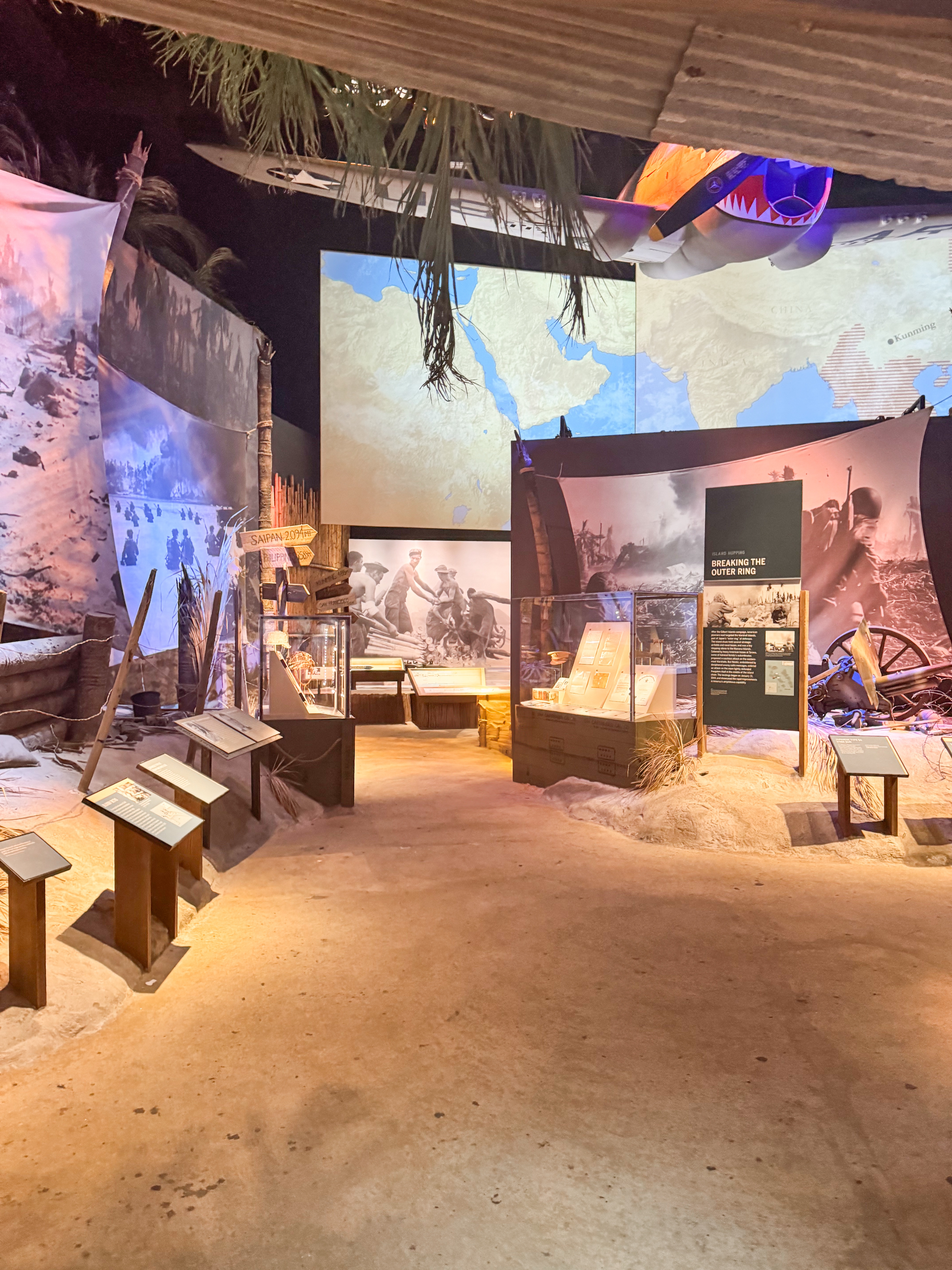
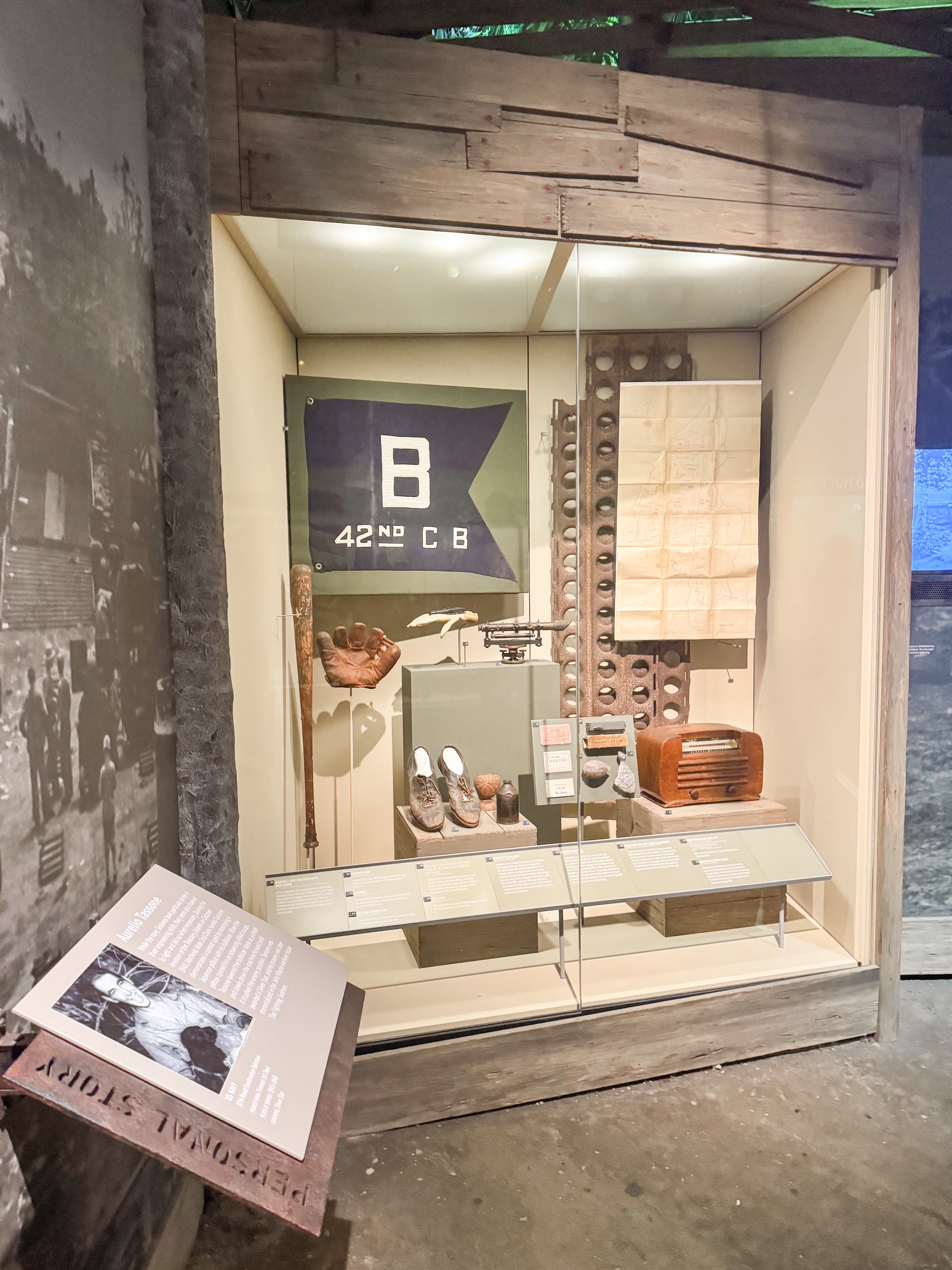
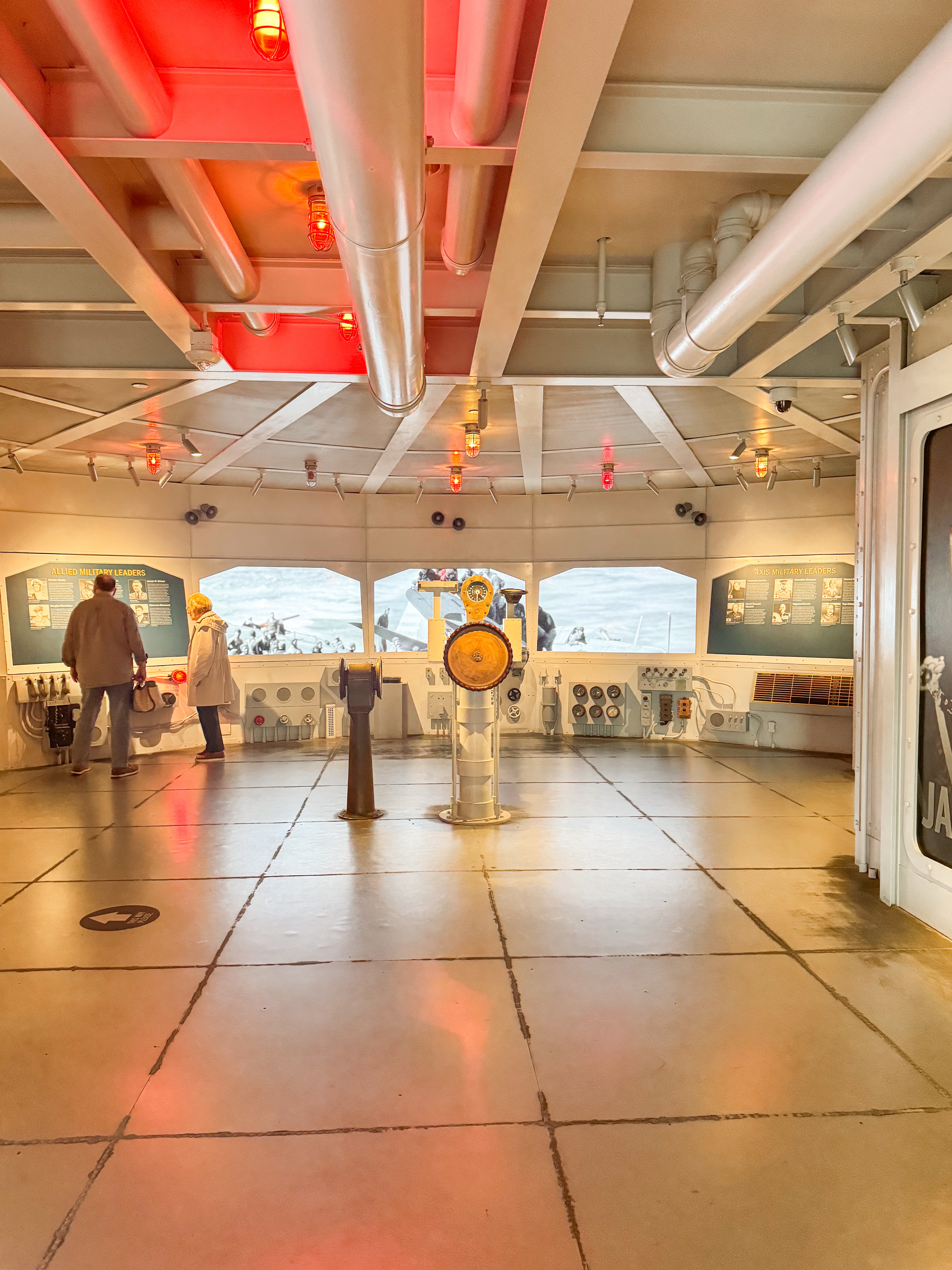
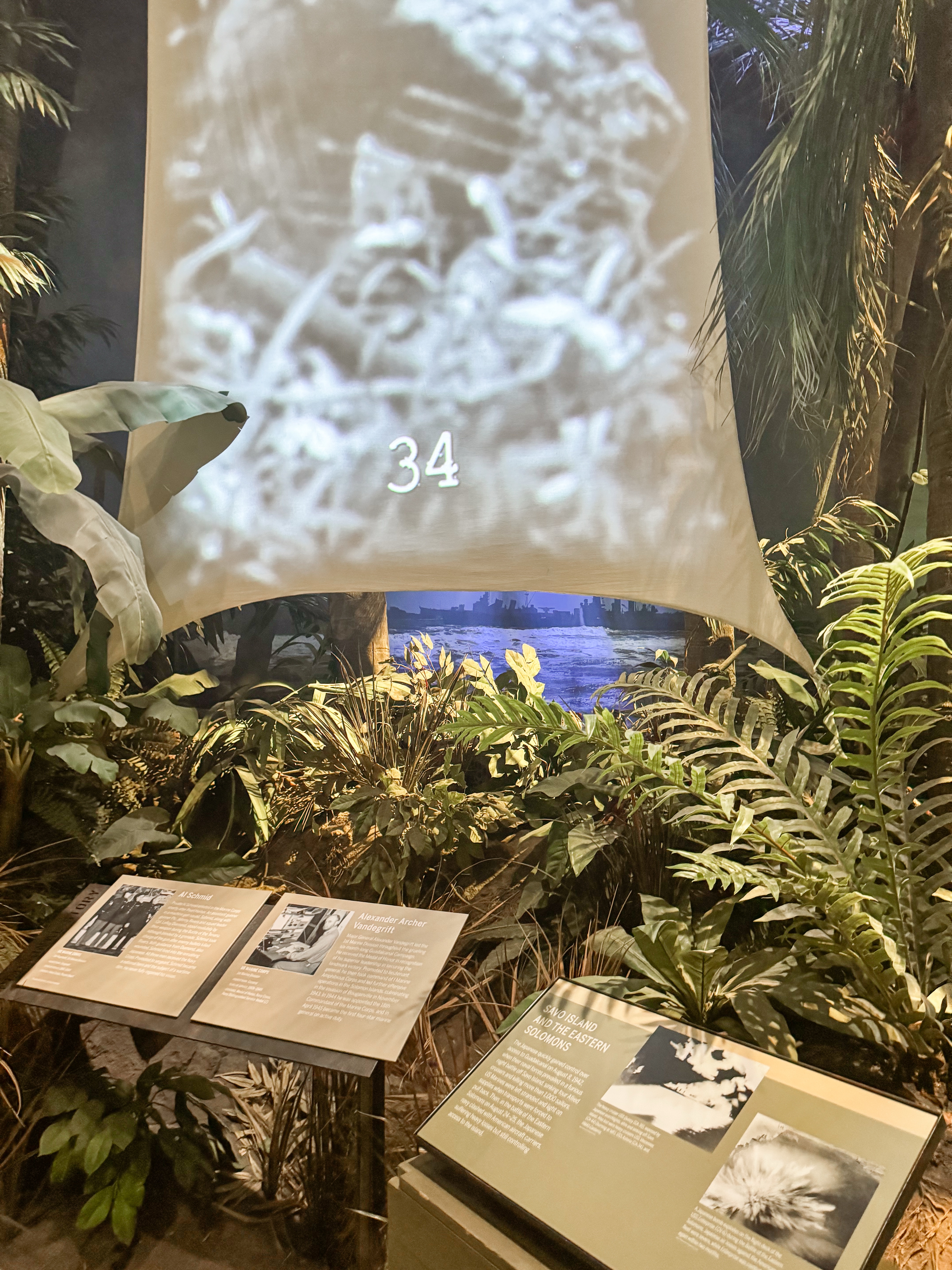
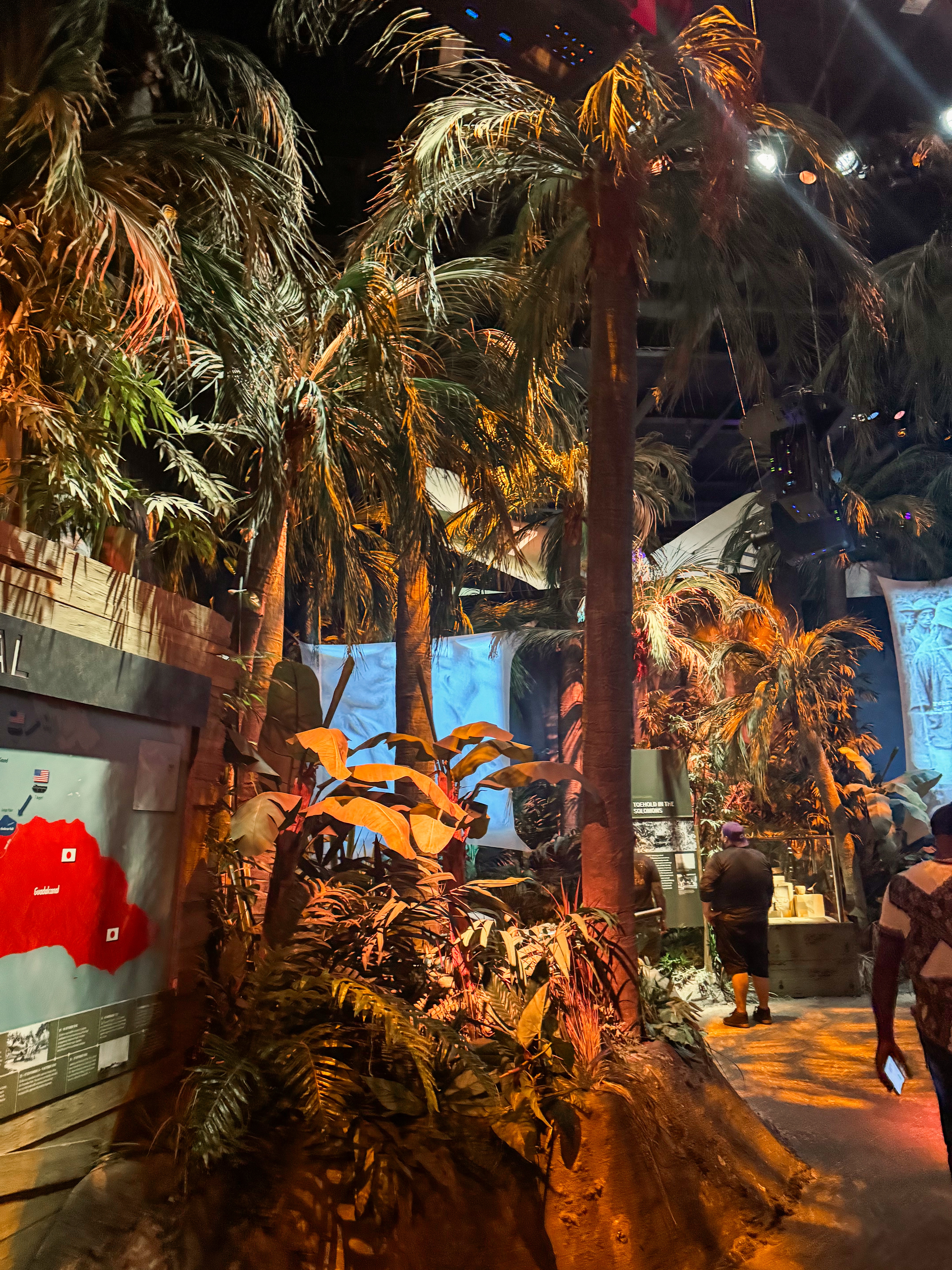
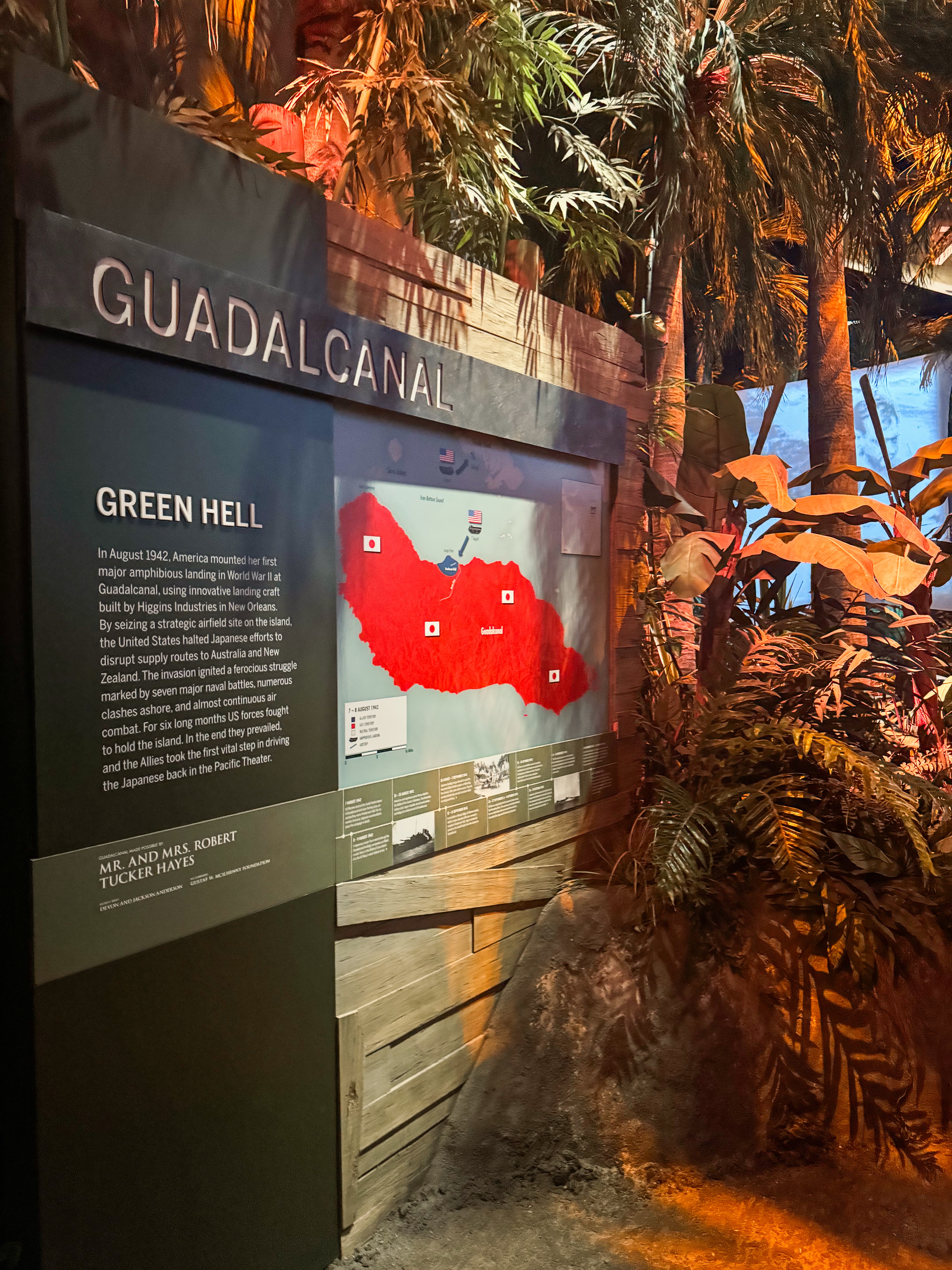
There is an area that explains and helps you understand the Pacific Theater of WWII, featuring detailed exhibits with historical artifacts, interactive displays, and informative panels that provide insight into the strategies and battles fought during this crucial period. As you walk through the museum, it is done to feel like you are on the boat or in the jungle, immersing you in the vibrant sounds and sights of the era, allowing visitors to experience the challenges faced by soldiers and civilians alike, thus deepening your appreciation for the sacrifices made during the war.
European Theater
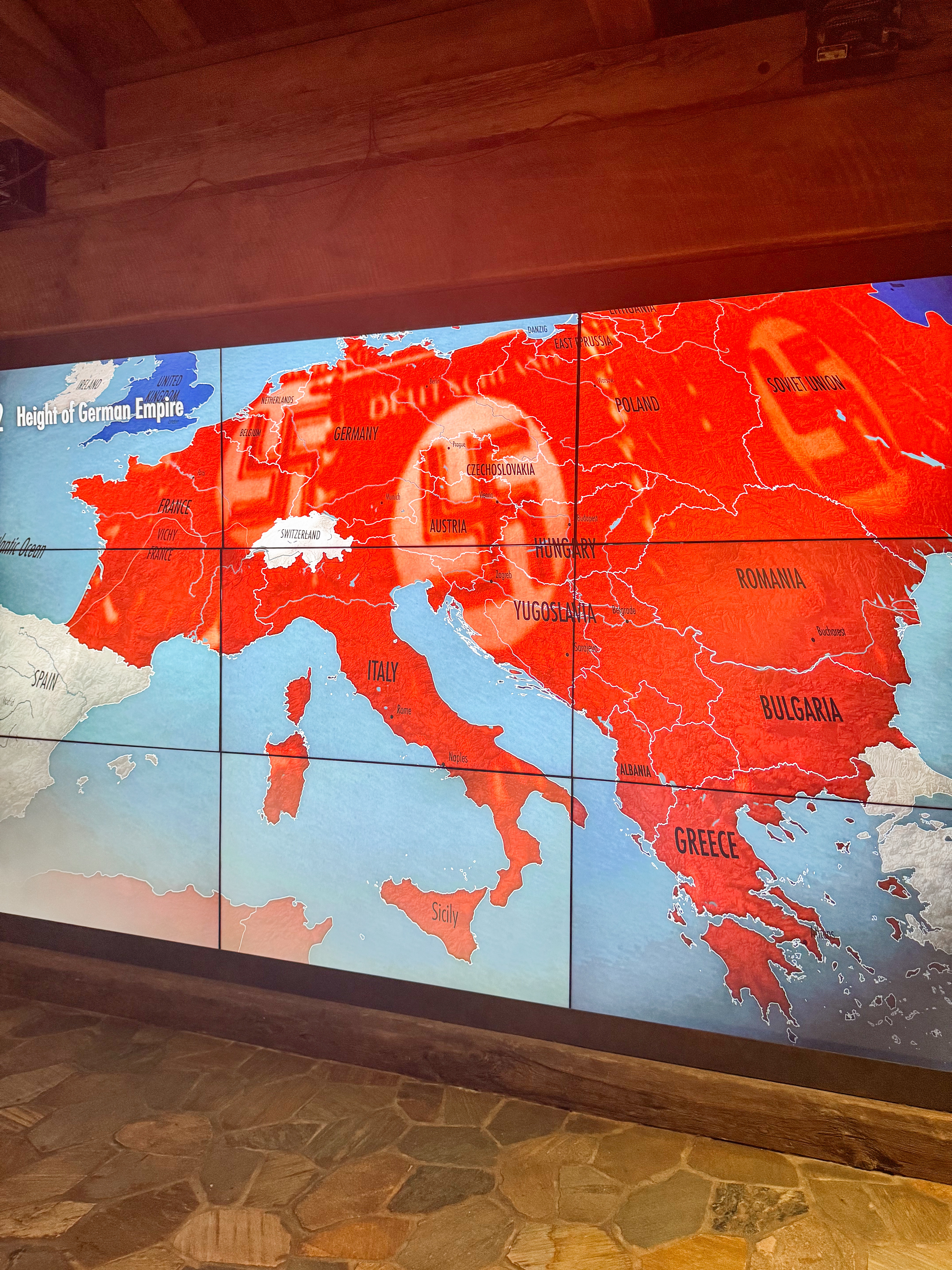
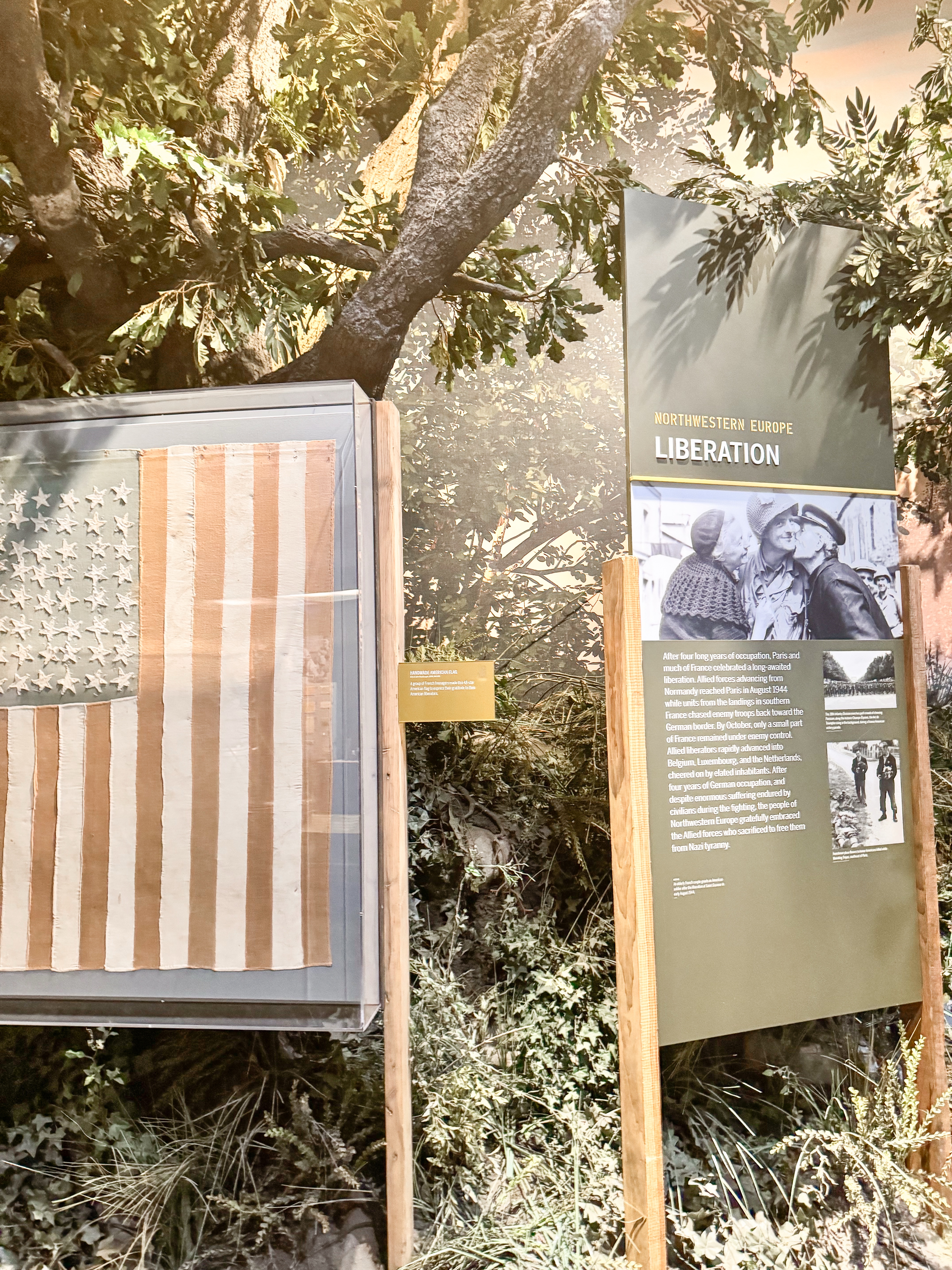
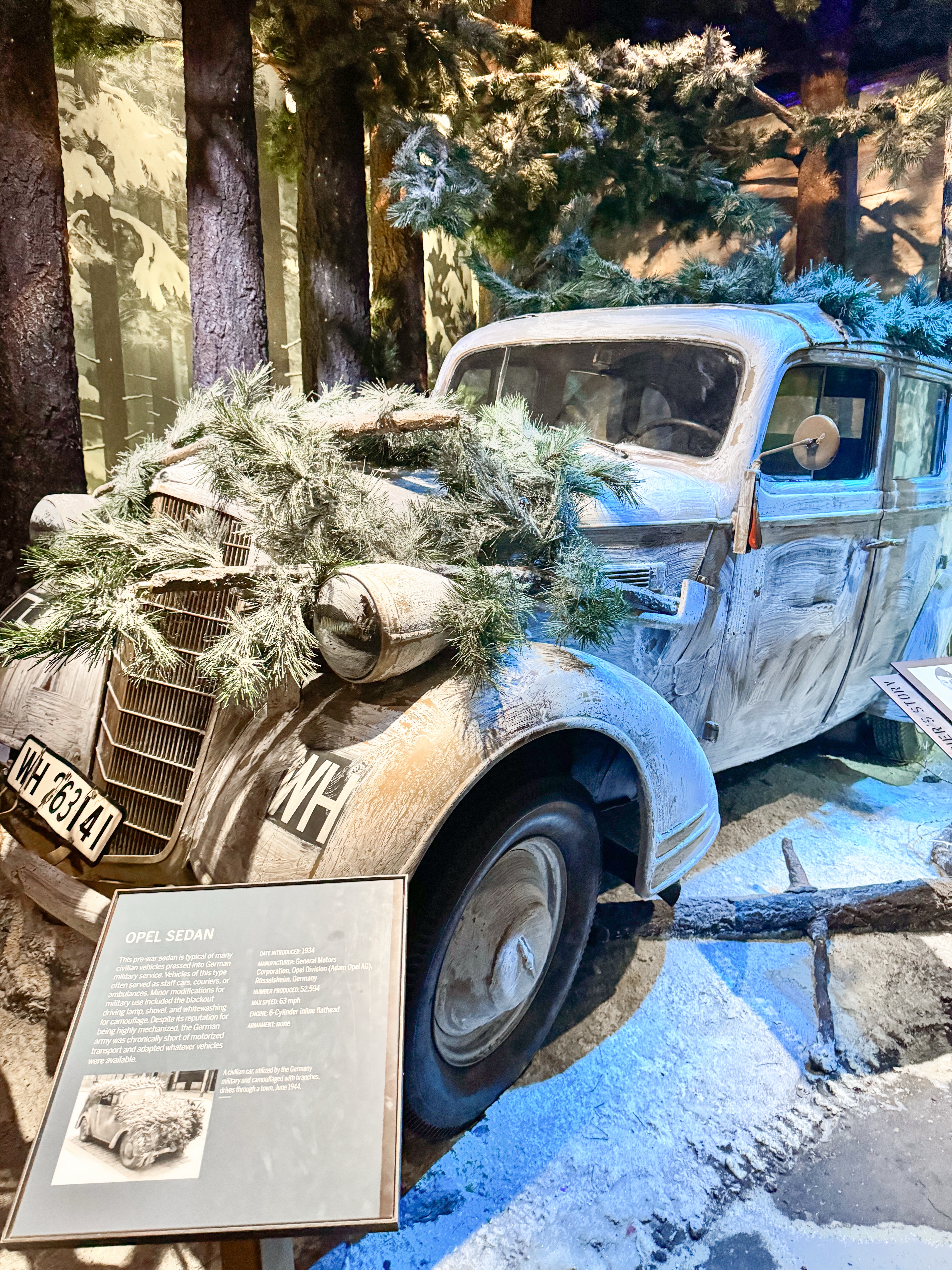
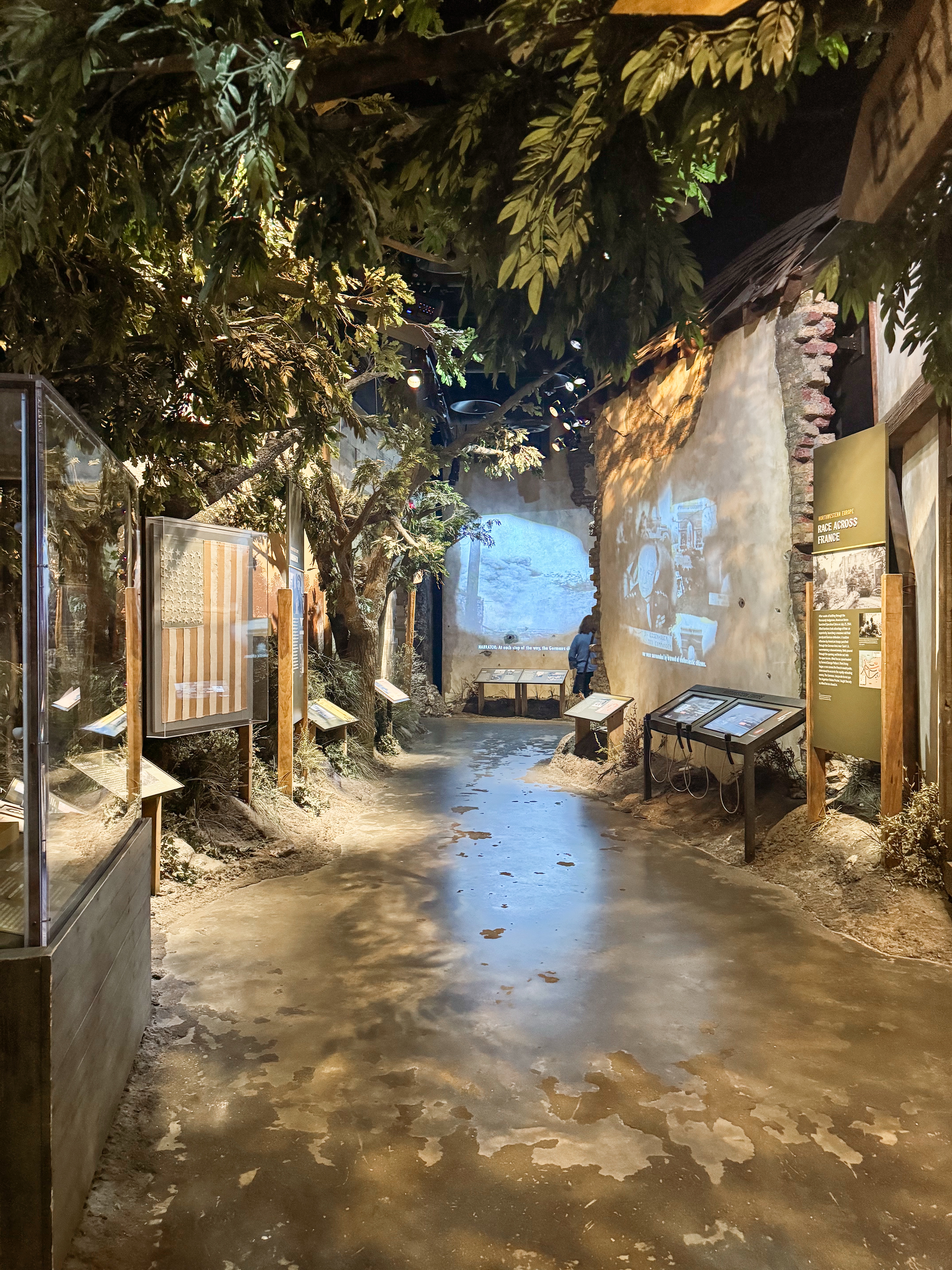
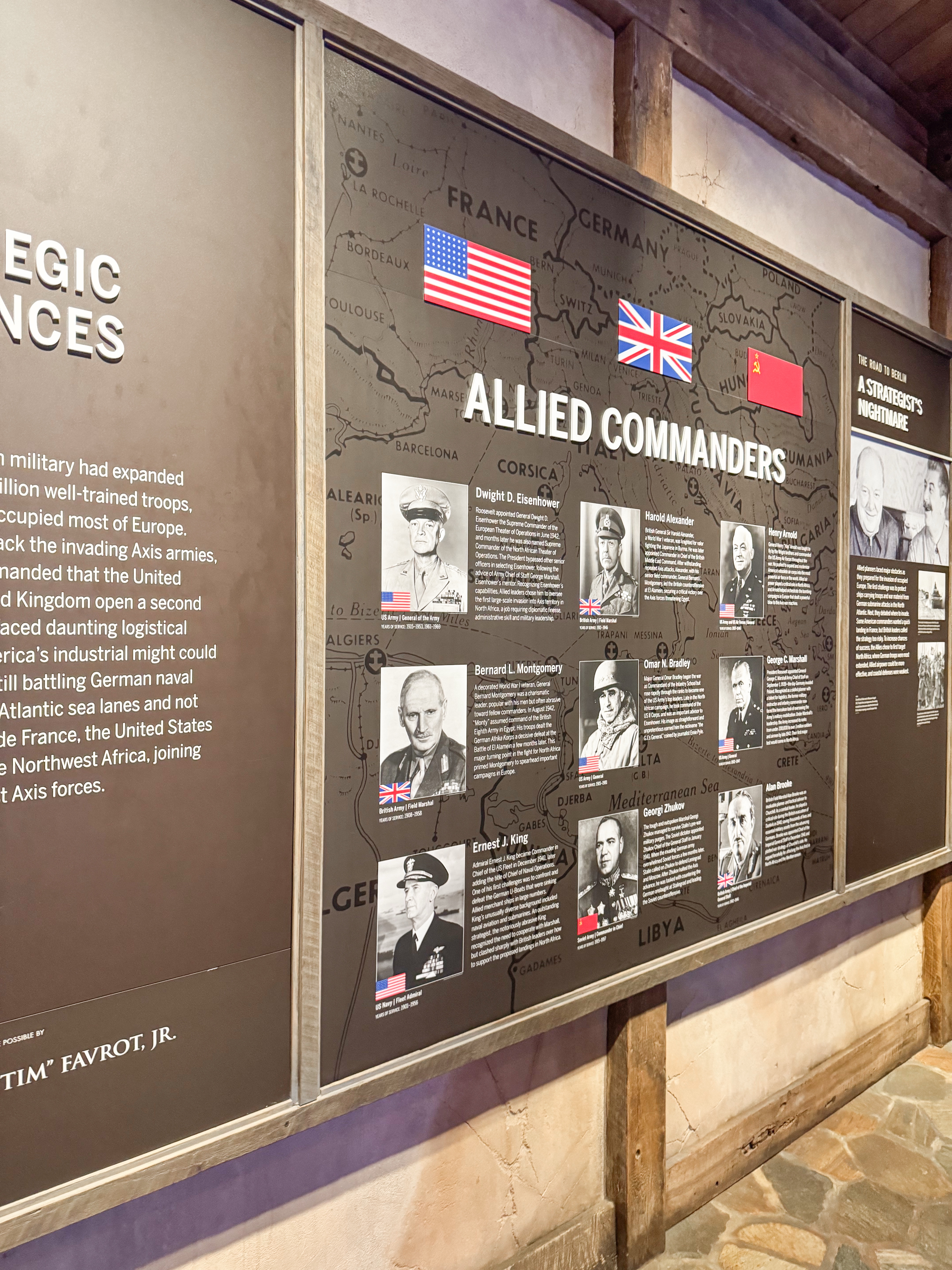
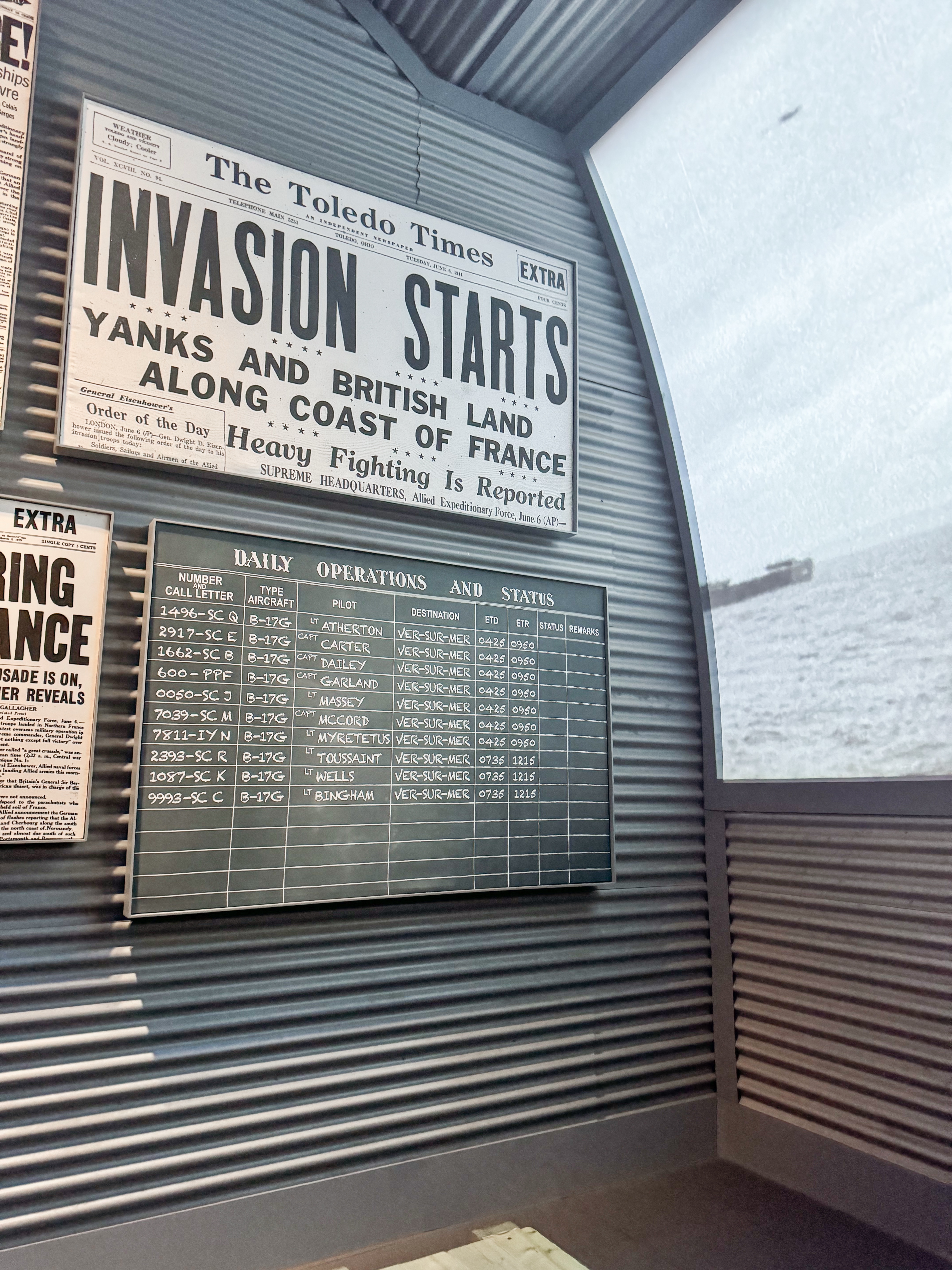
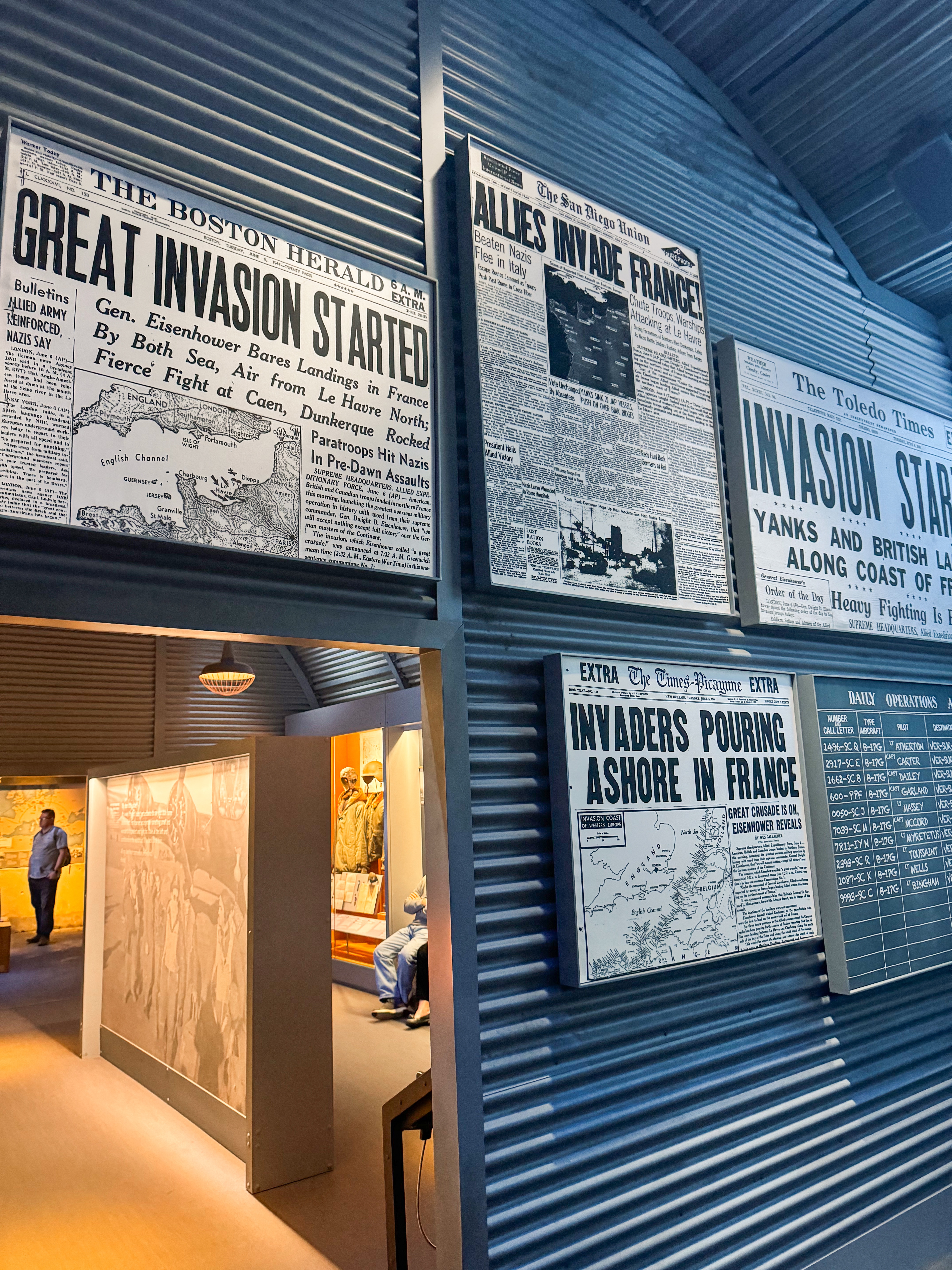
The map of what Hitler’s empire looked like at the height of the war was quite startling and scary, illustrating the vast expanses of territory that the Nazi regime had conquered across Europe. From my knowledge of WWII, this is the area that I know the most about, as it encapsulates not only the military strategies employed but also the profound impact on the lives of millions who lived under oppressive rule. Each inch of that map tells a story of conflict, resistance, and the horrifying realities of war, serving as a reminder of the dark chapters in our history that must not be forgotten. The sheer scale of the occupation, from France in the west to the deep reaches of the Soviet Union in the east, reflects how quickly power can shift and the fragile nature of freedom in times of turmoil.
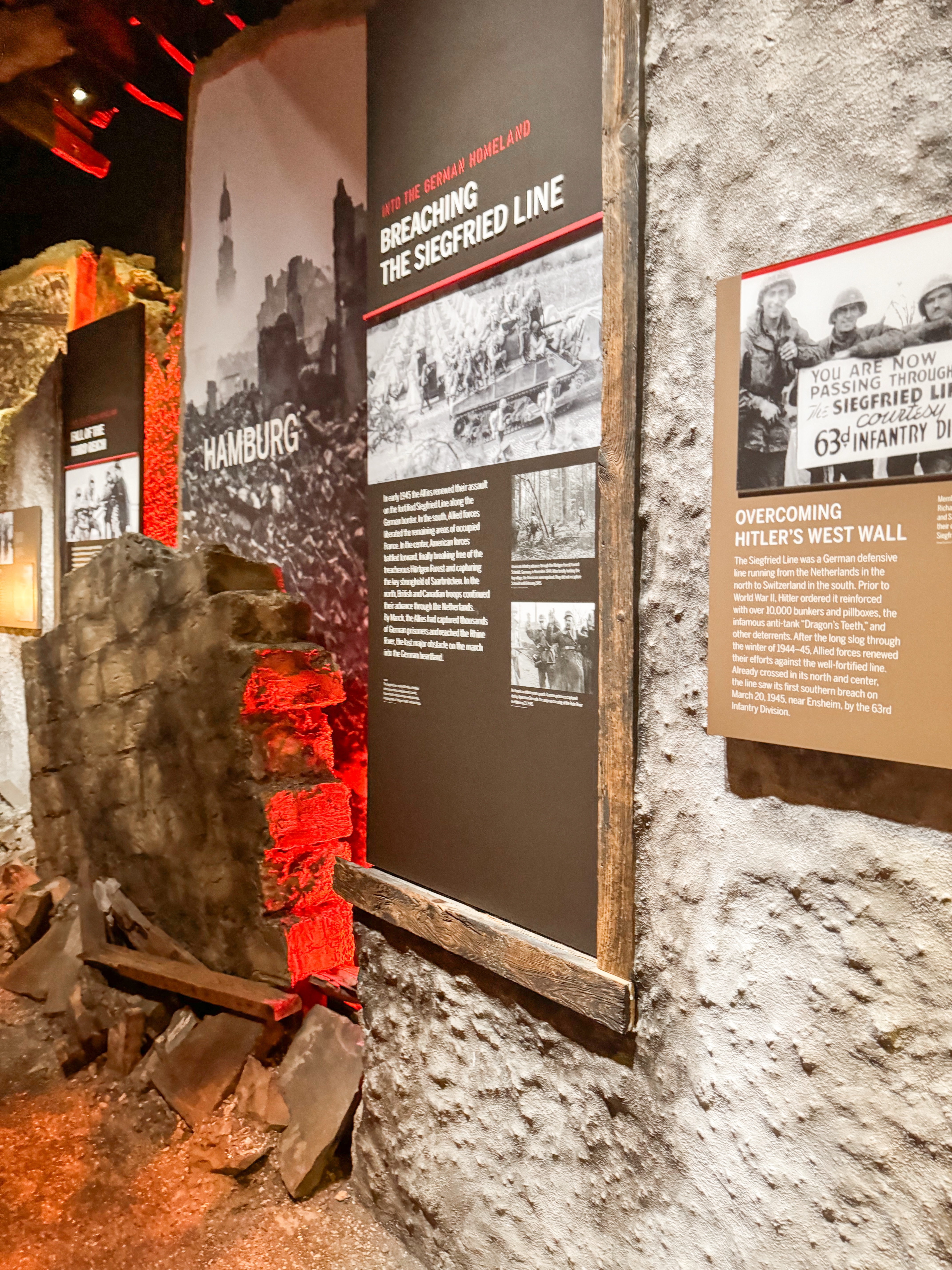
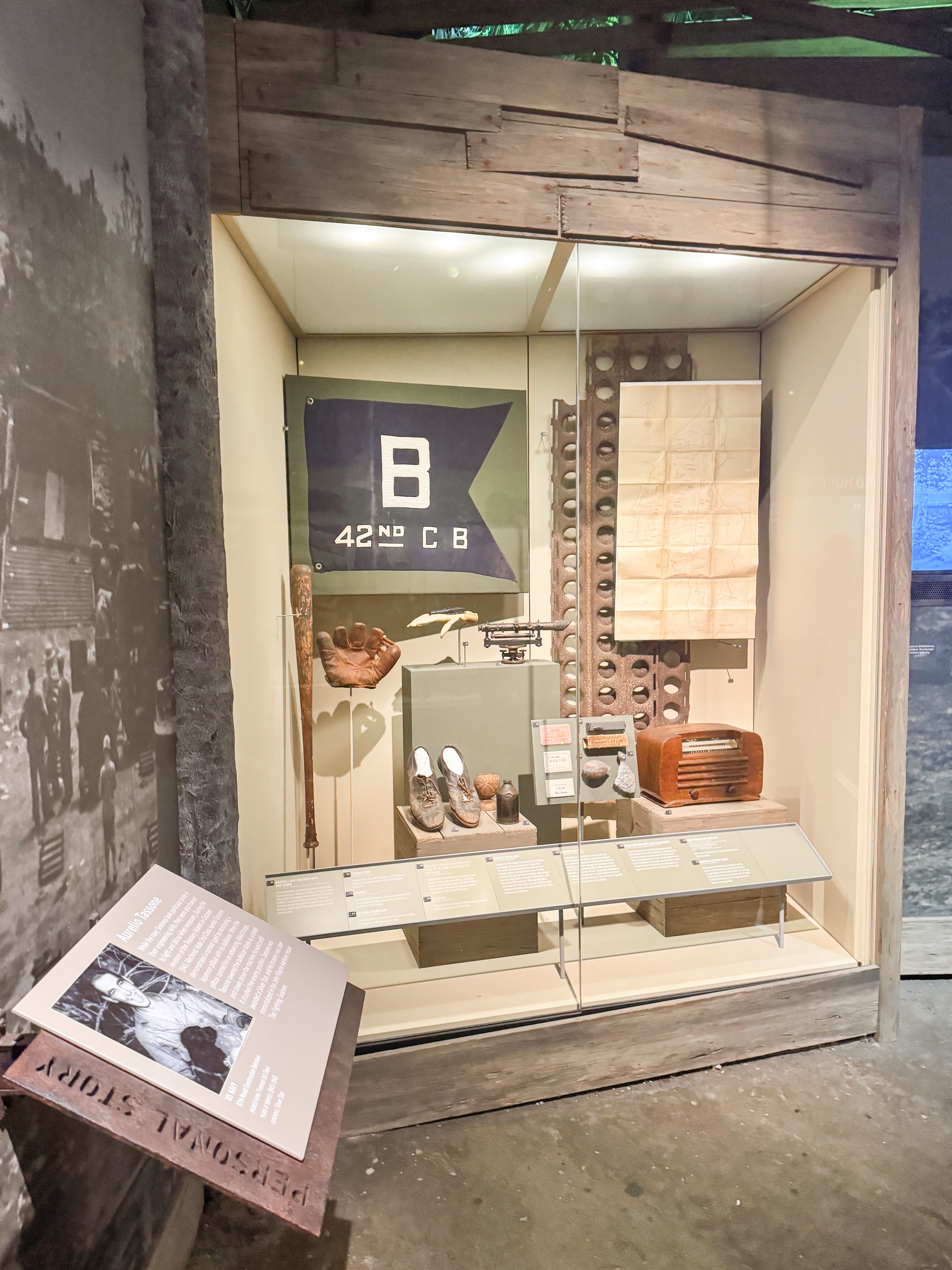
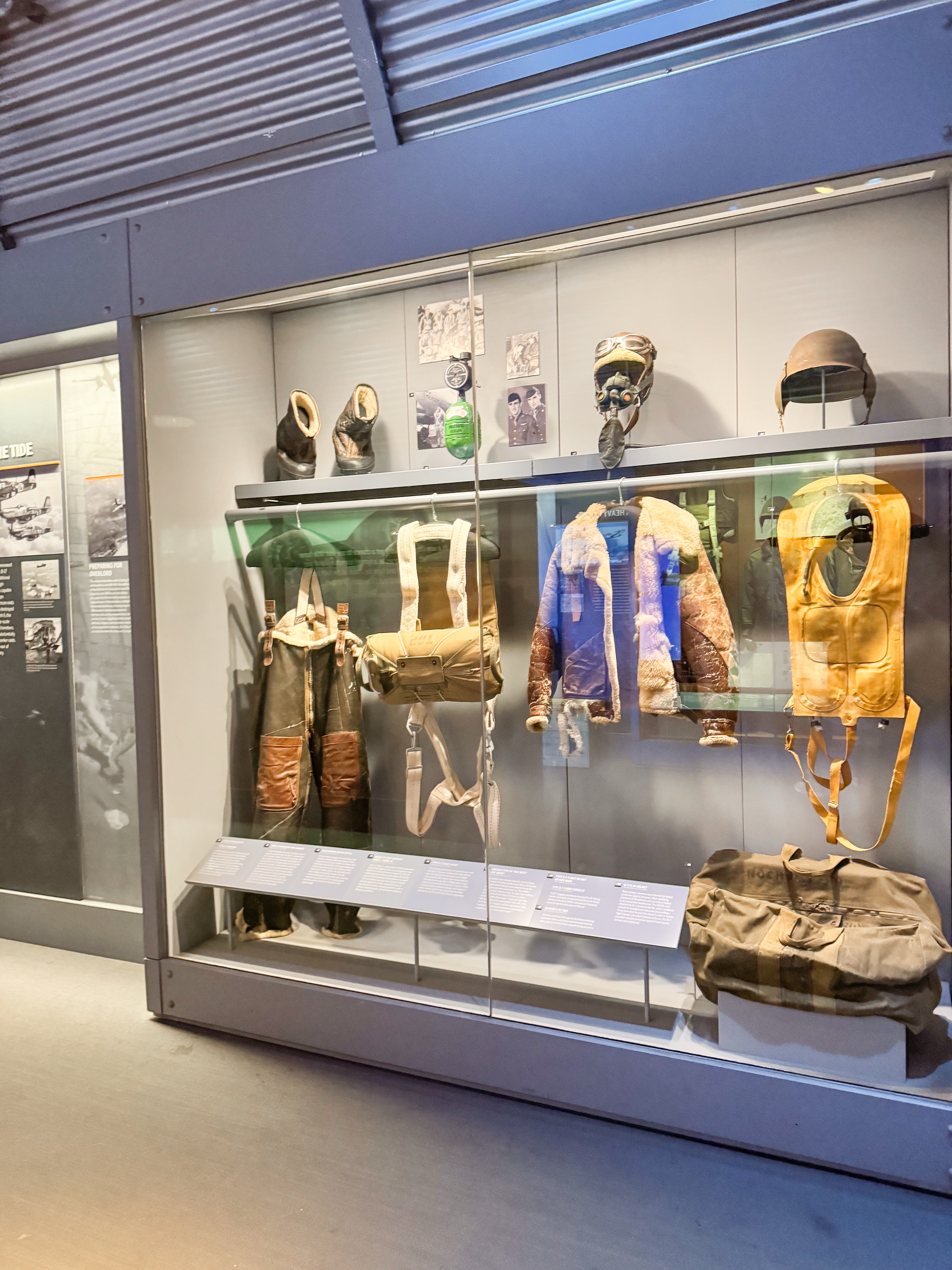
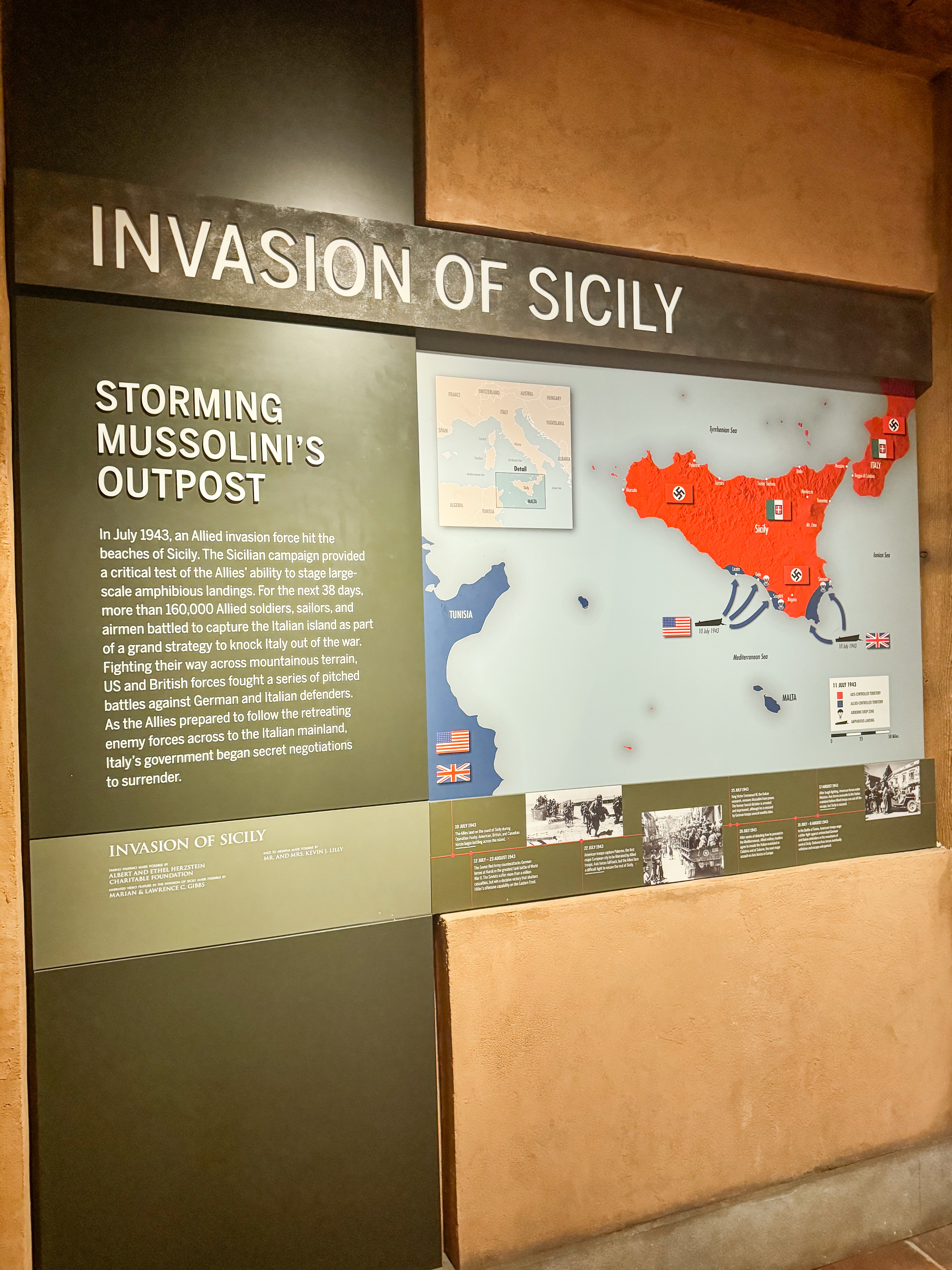
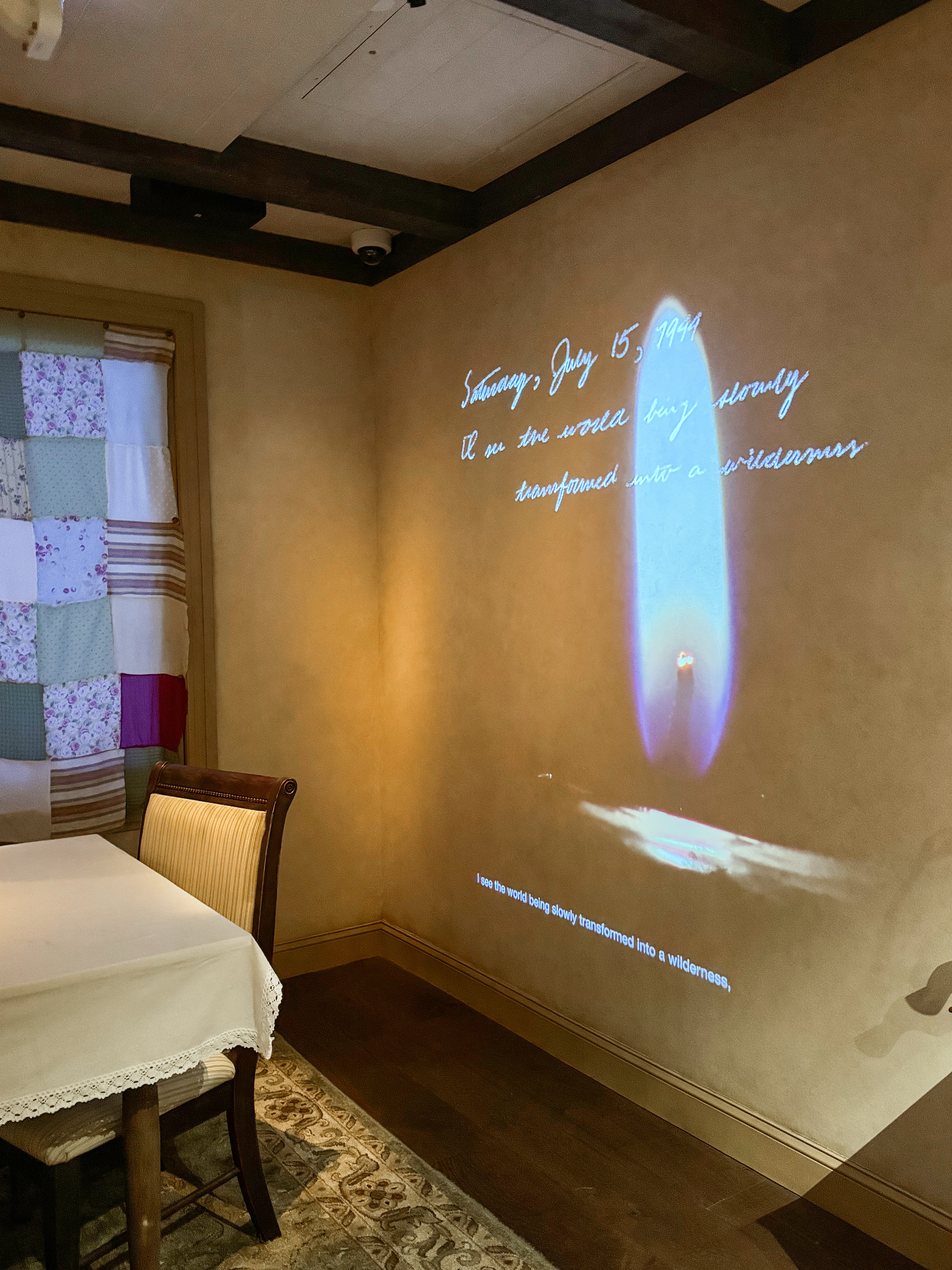
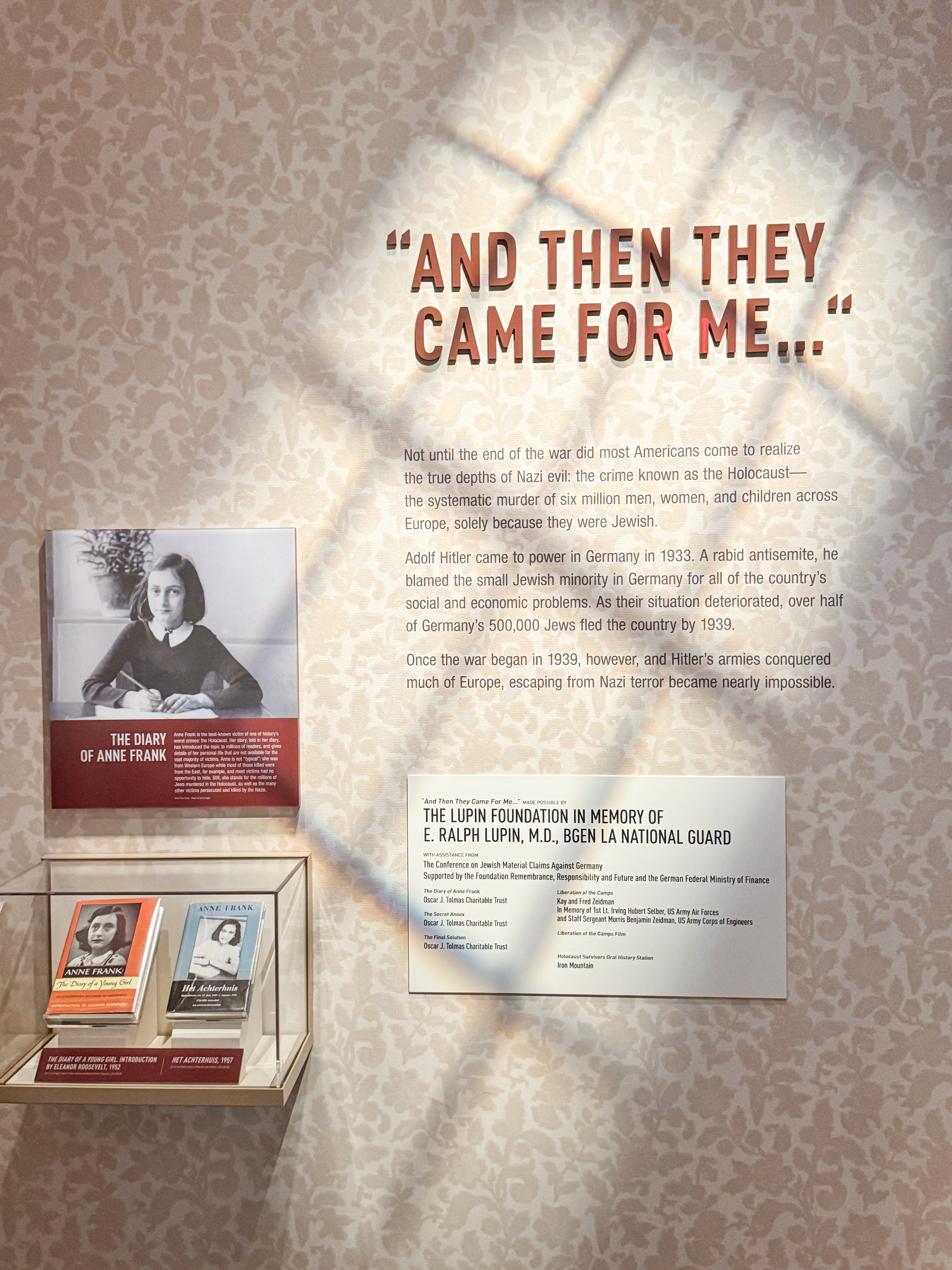
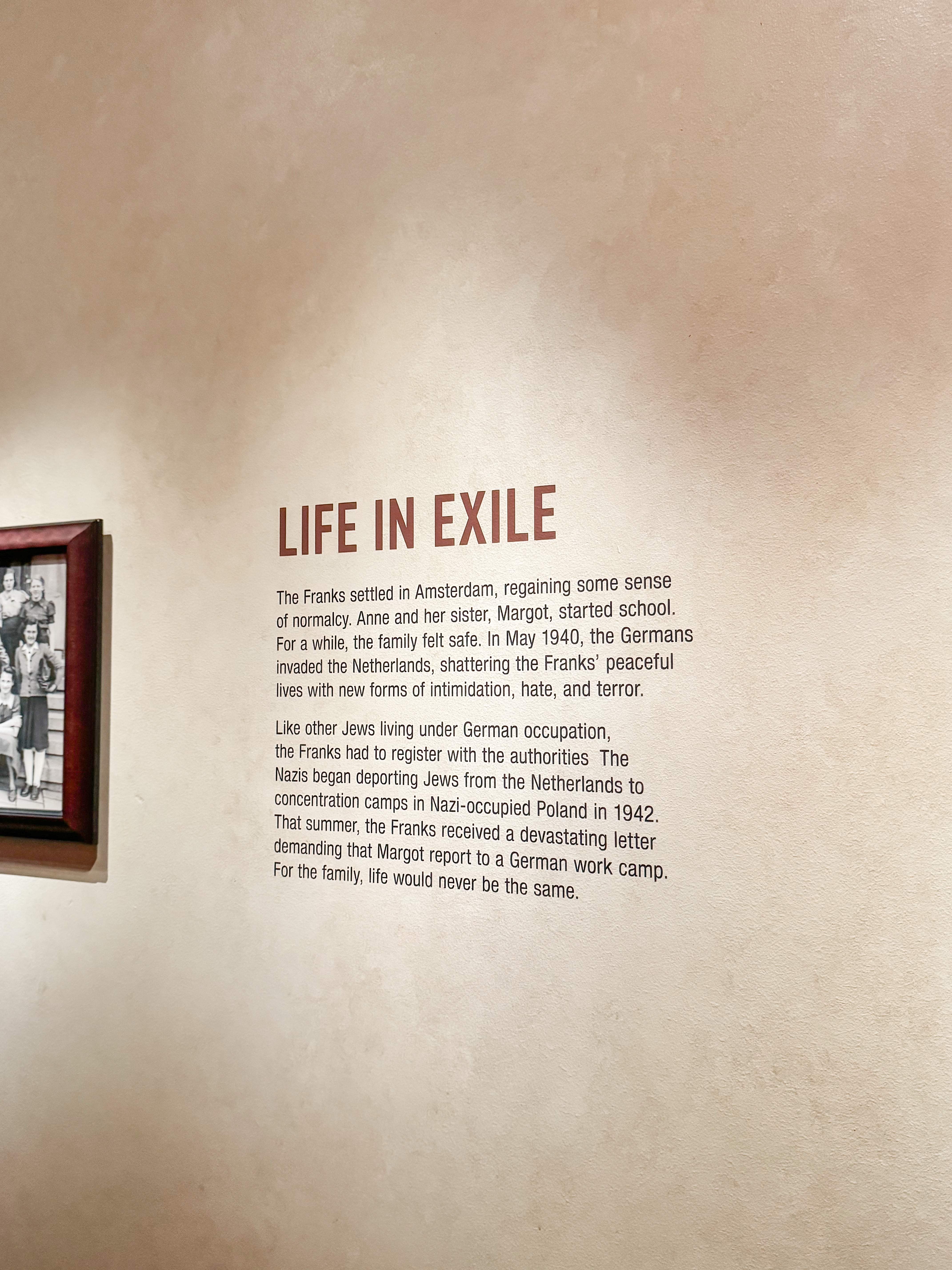
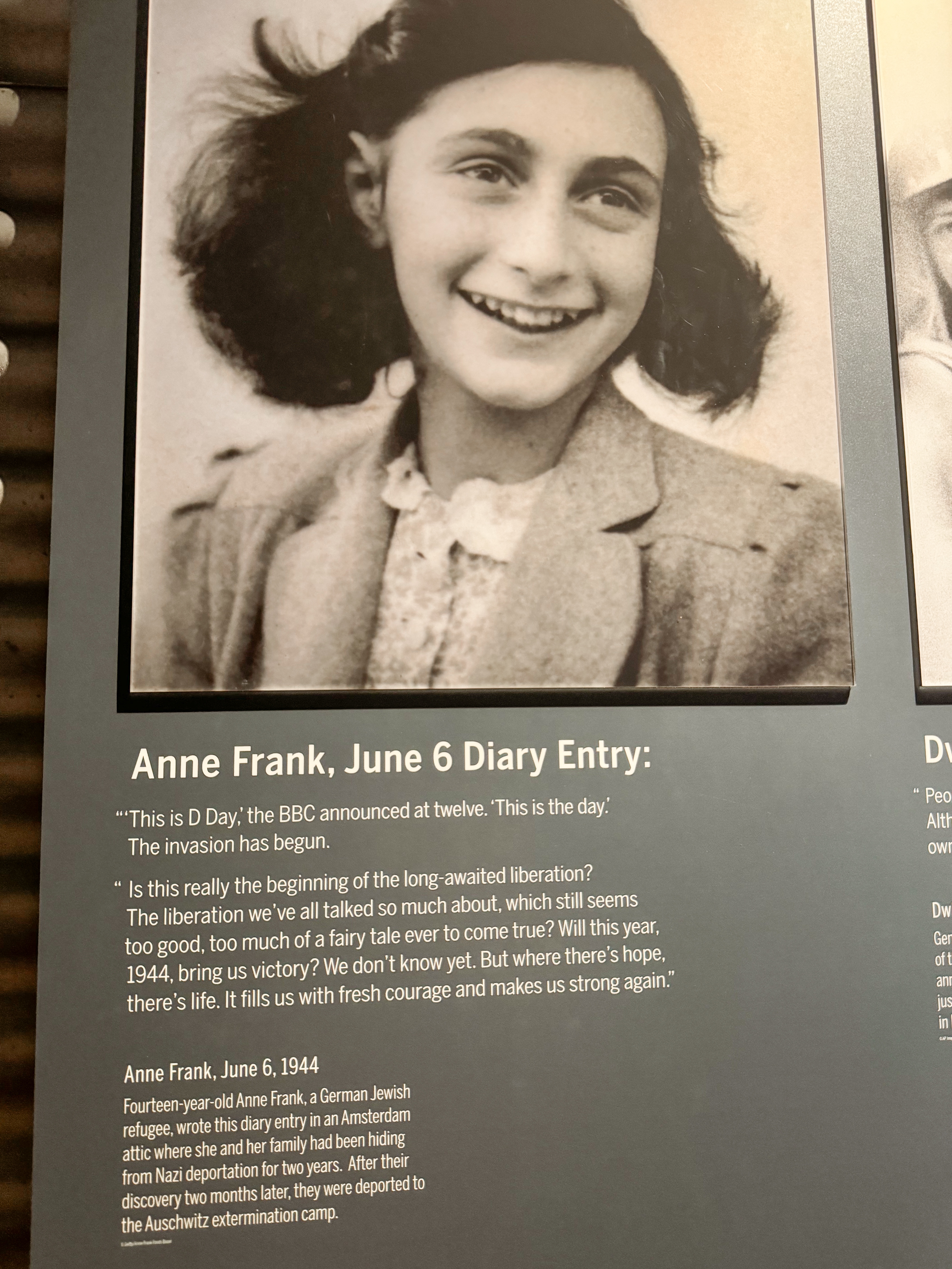
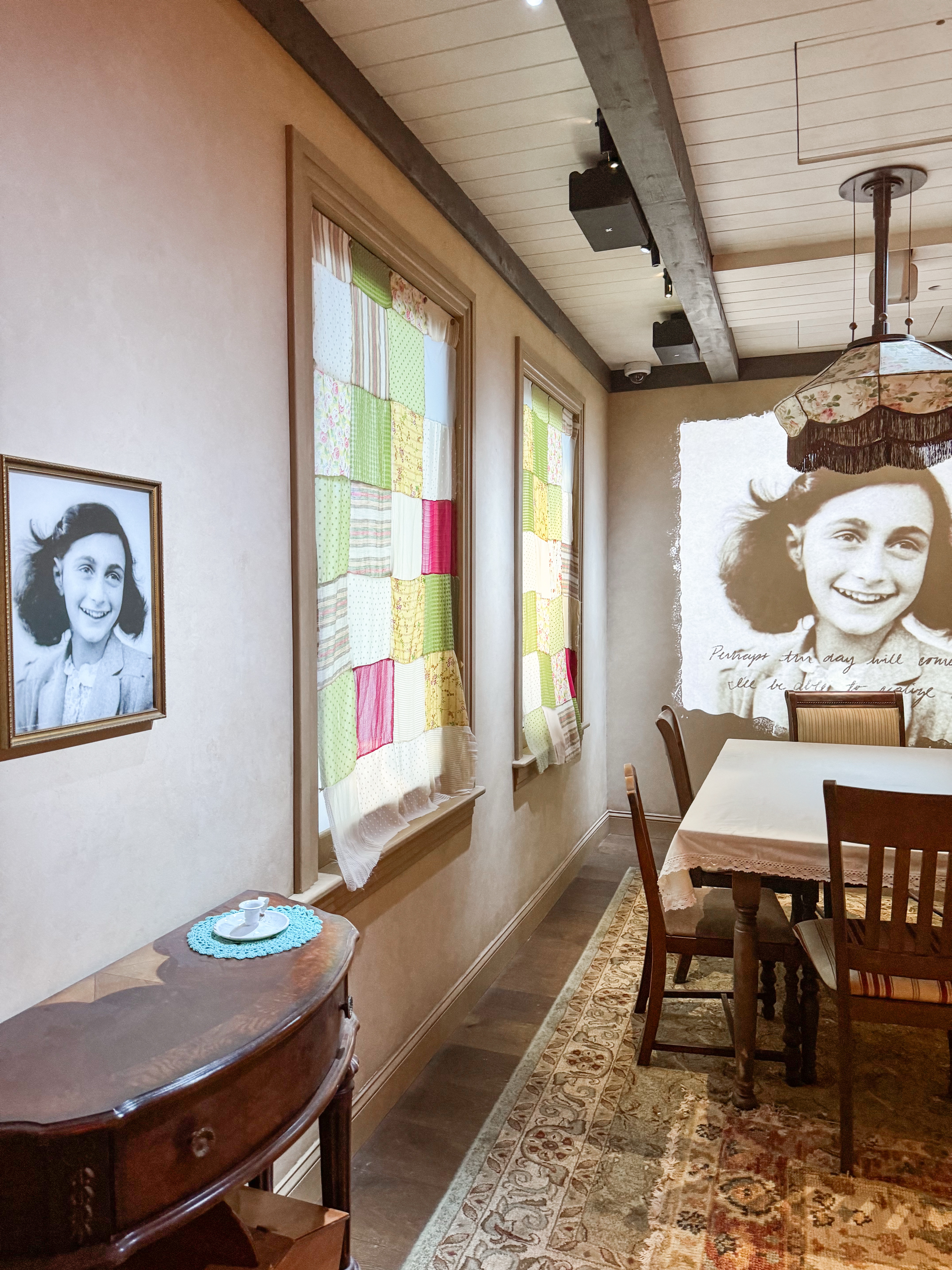
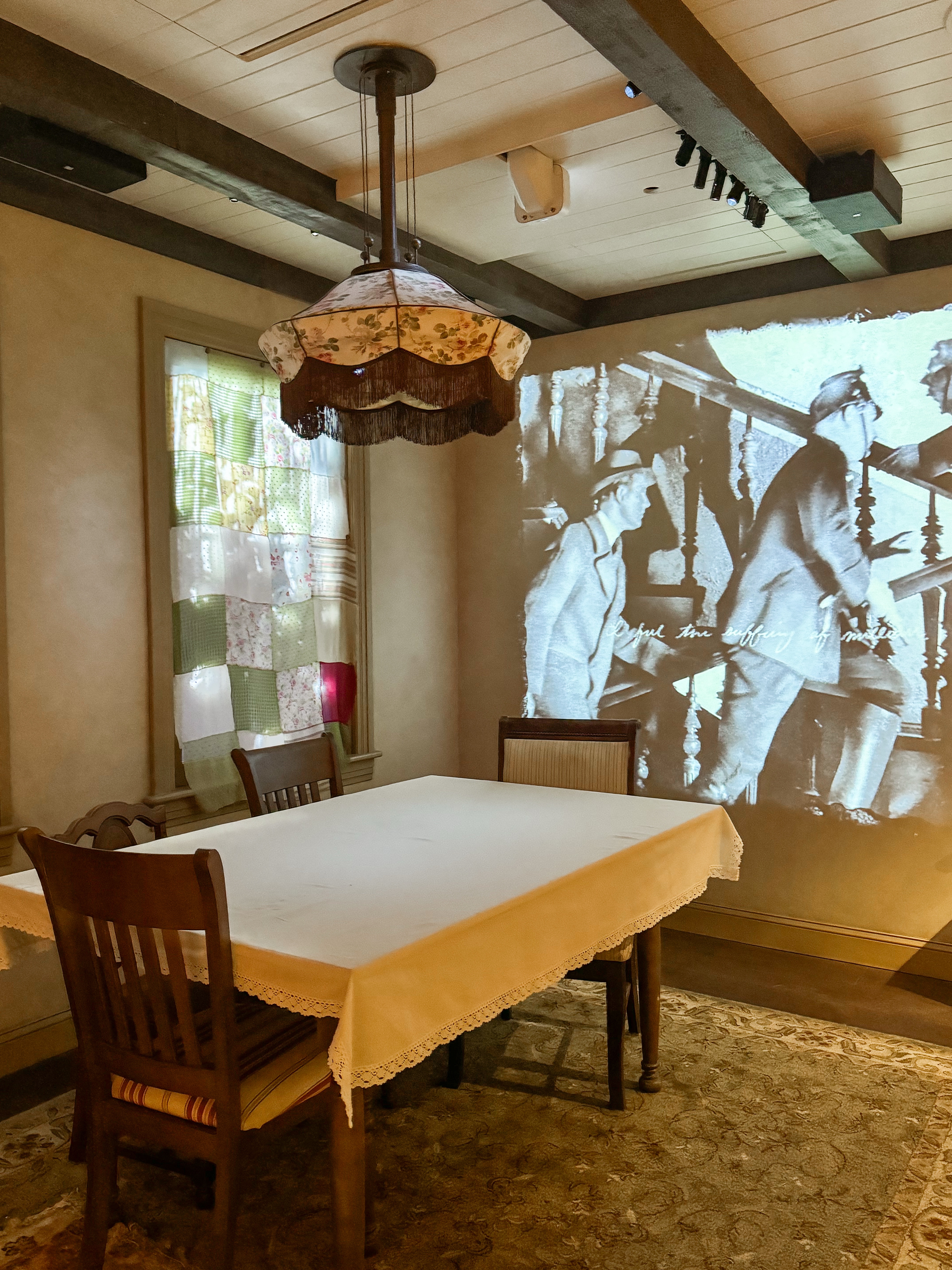
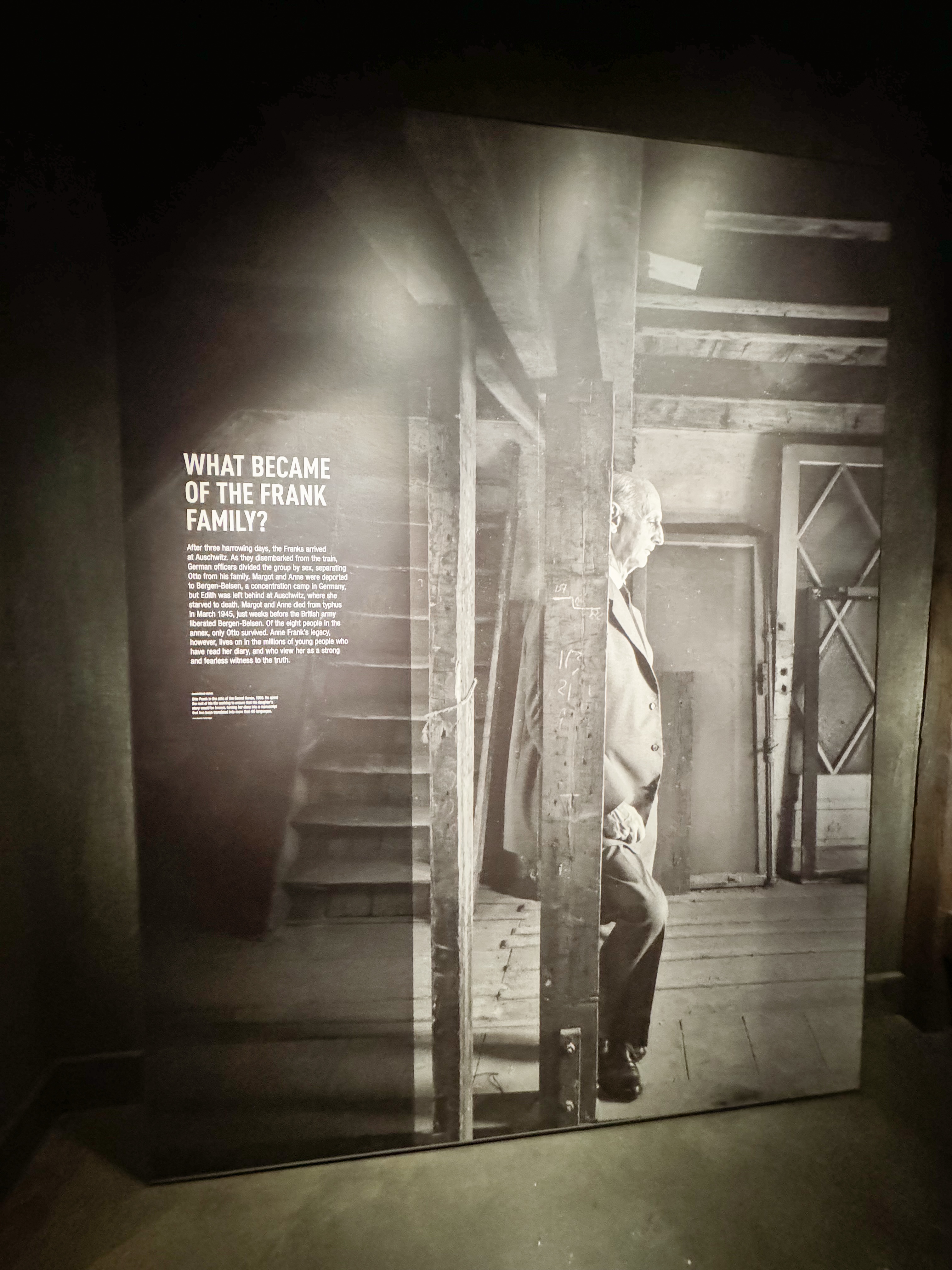
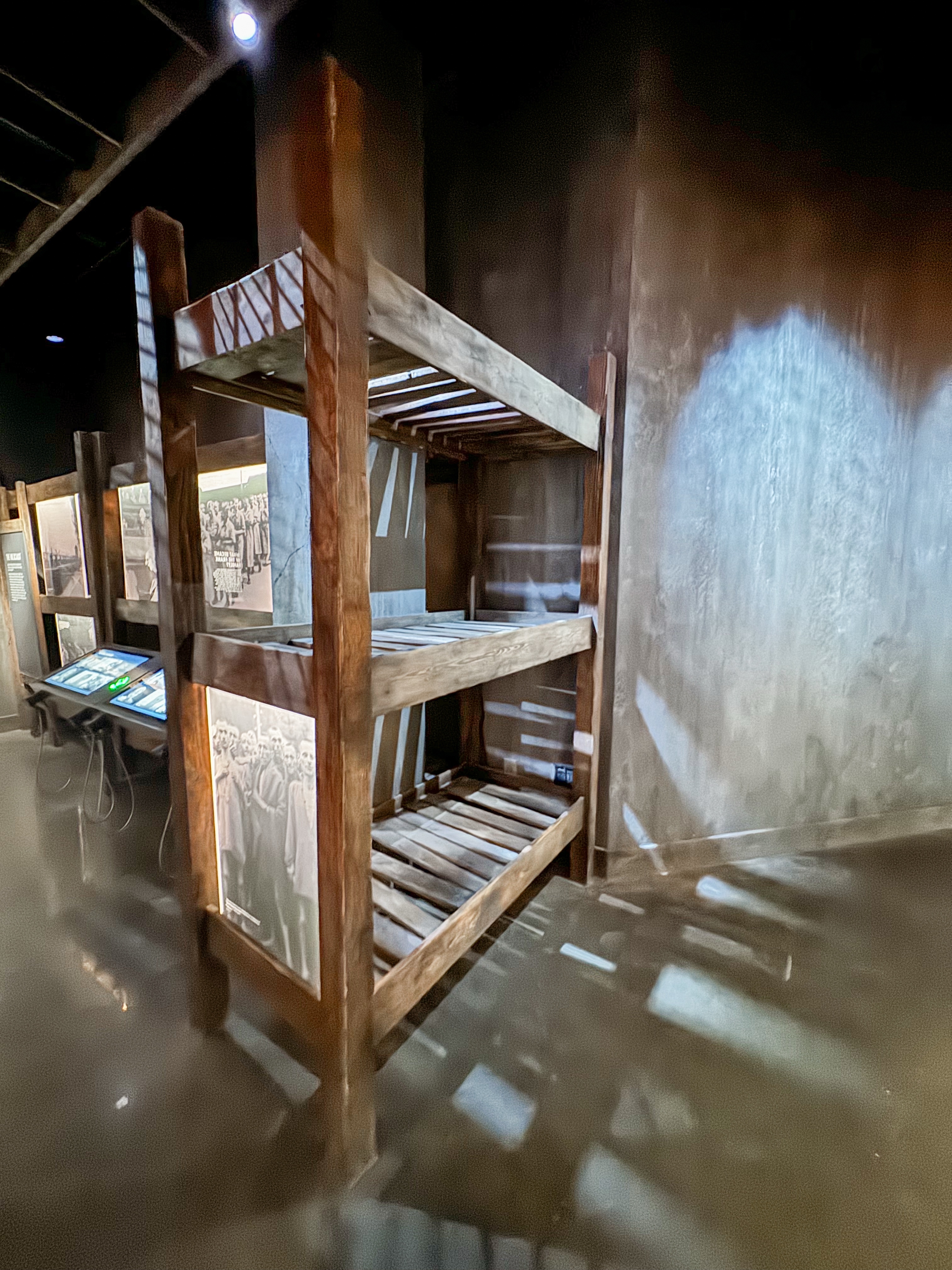
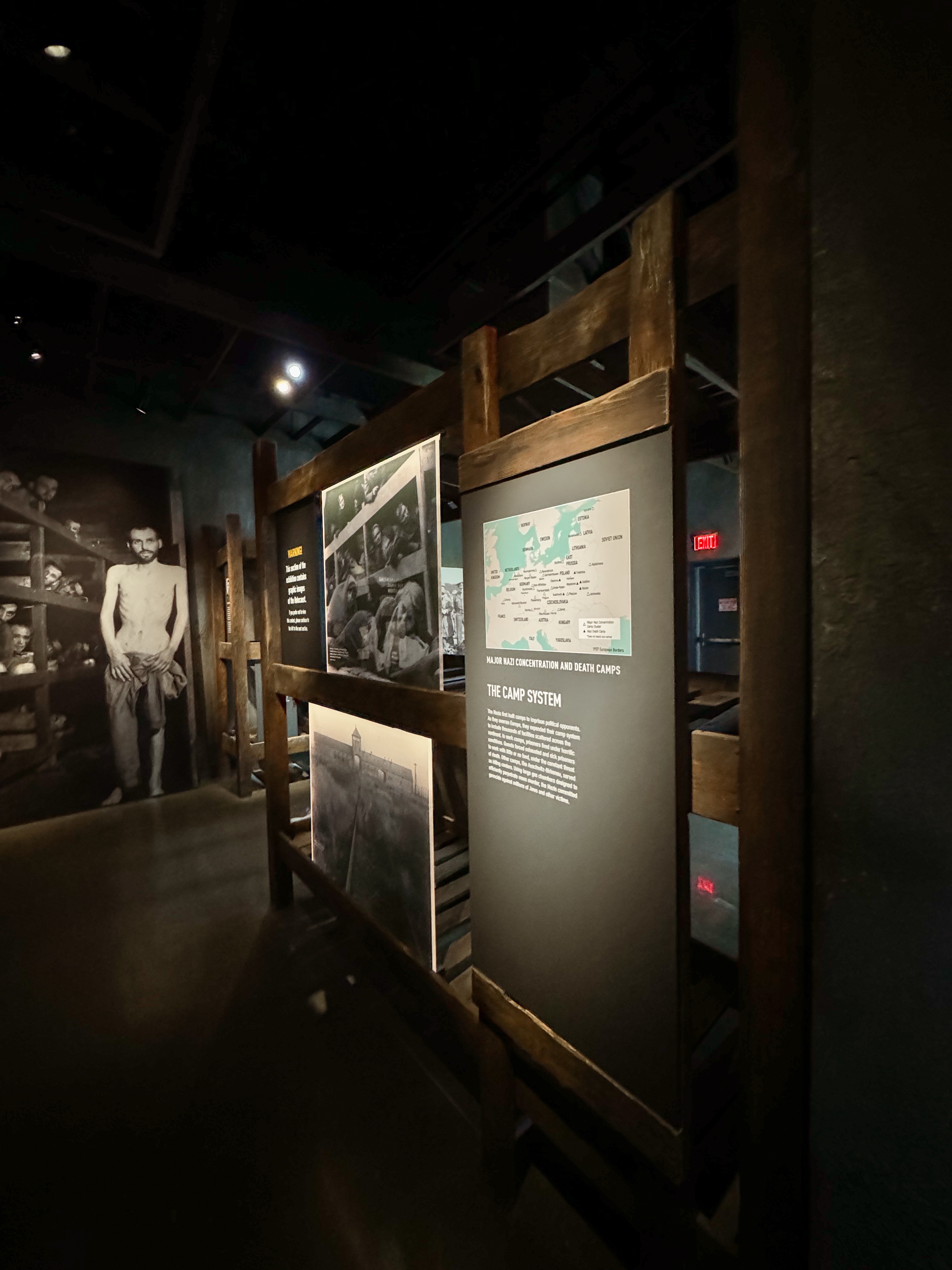
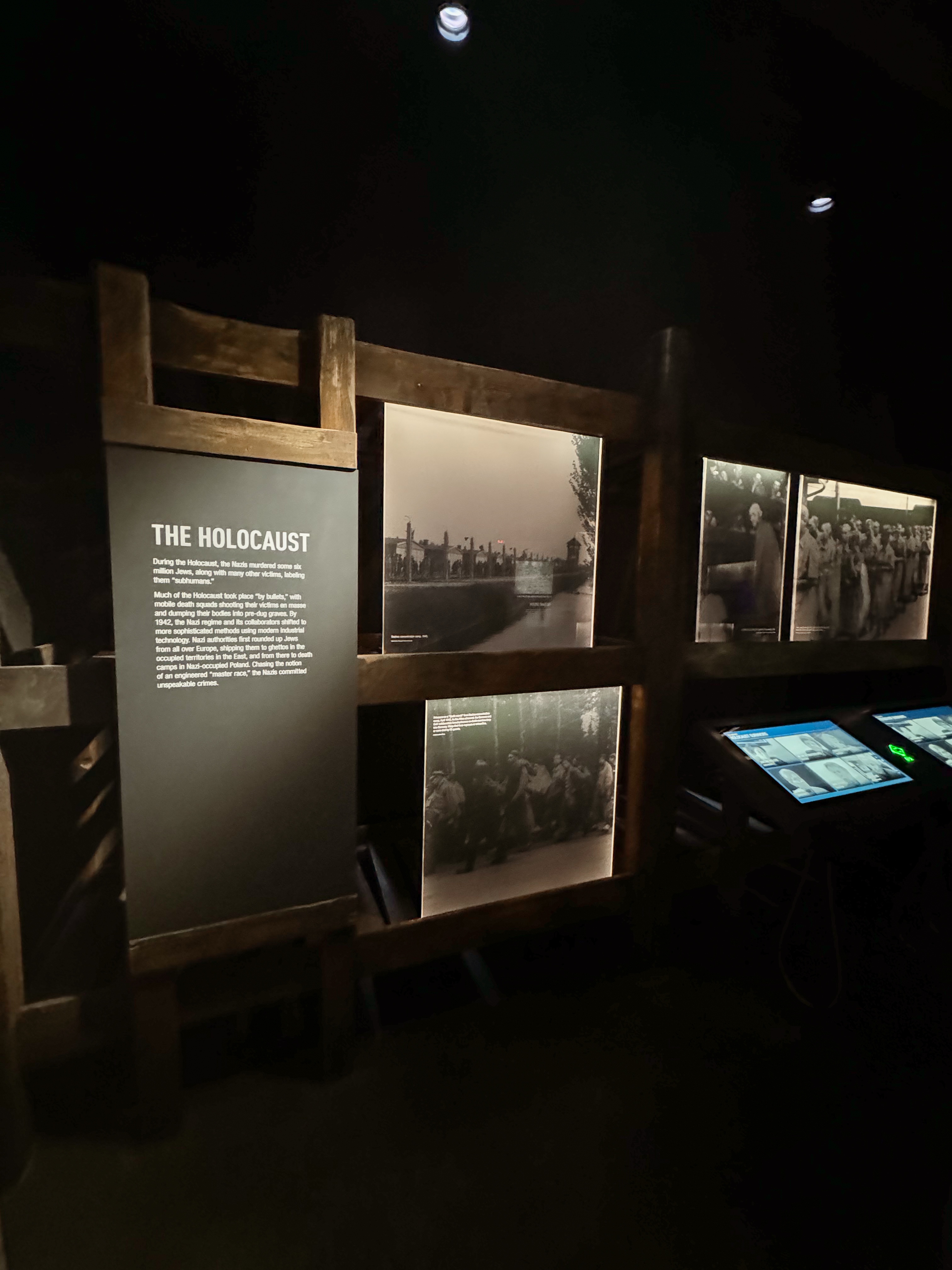
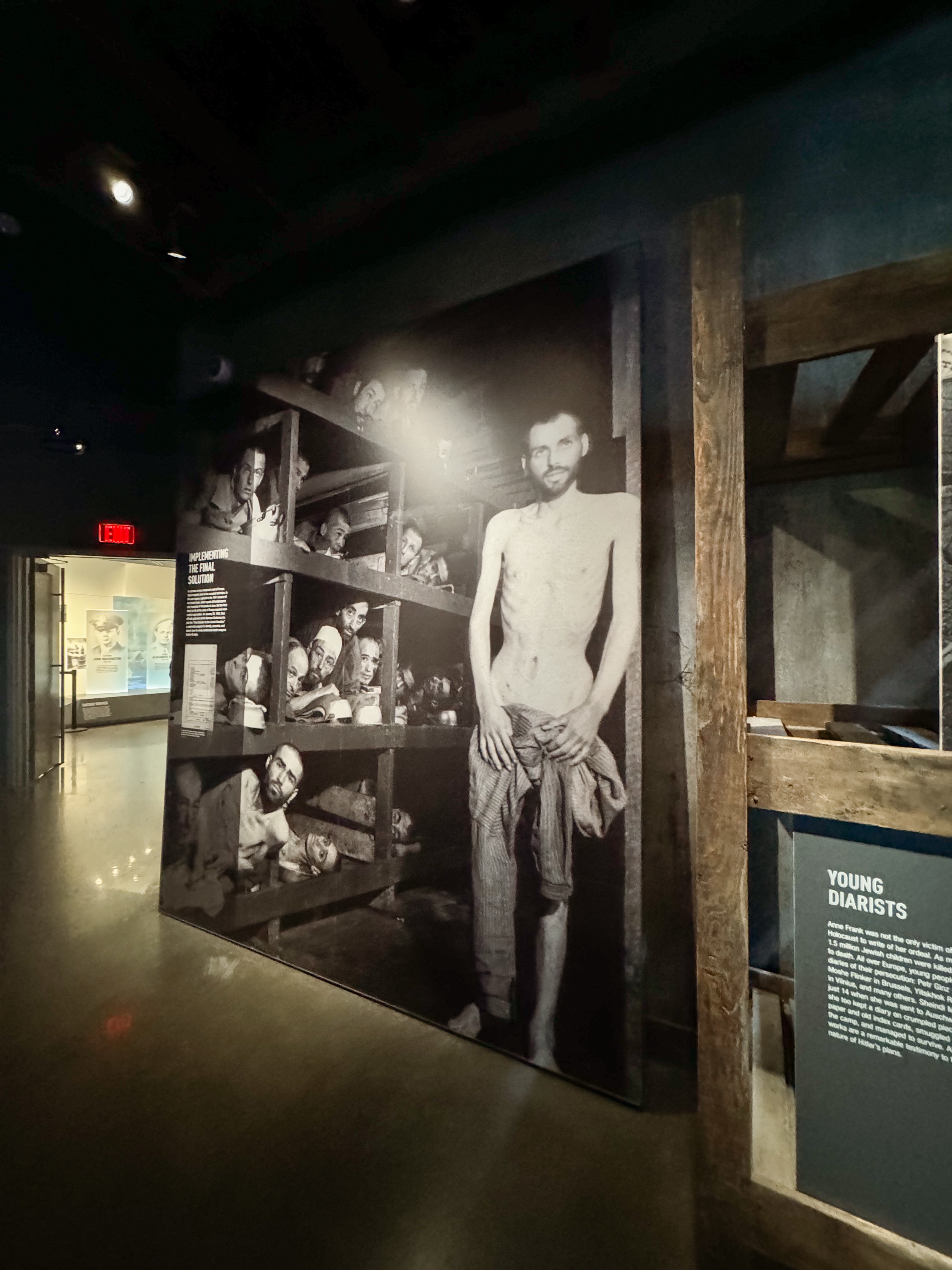
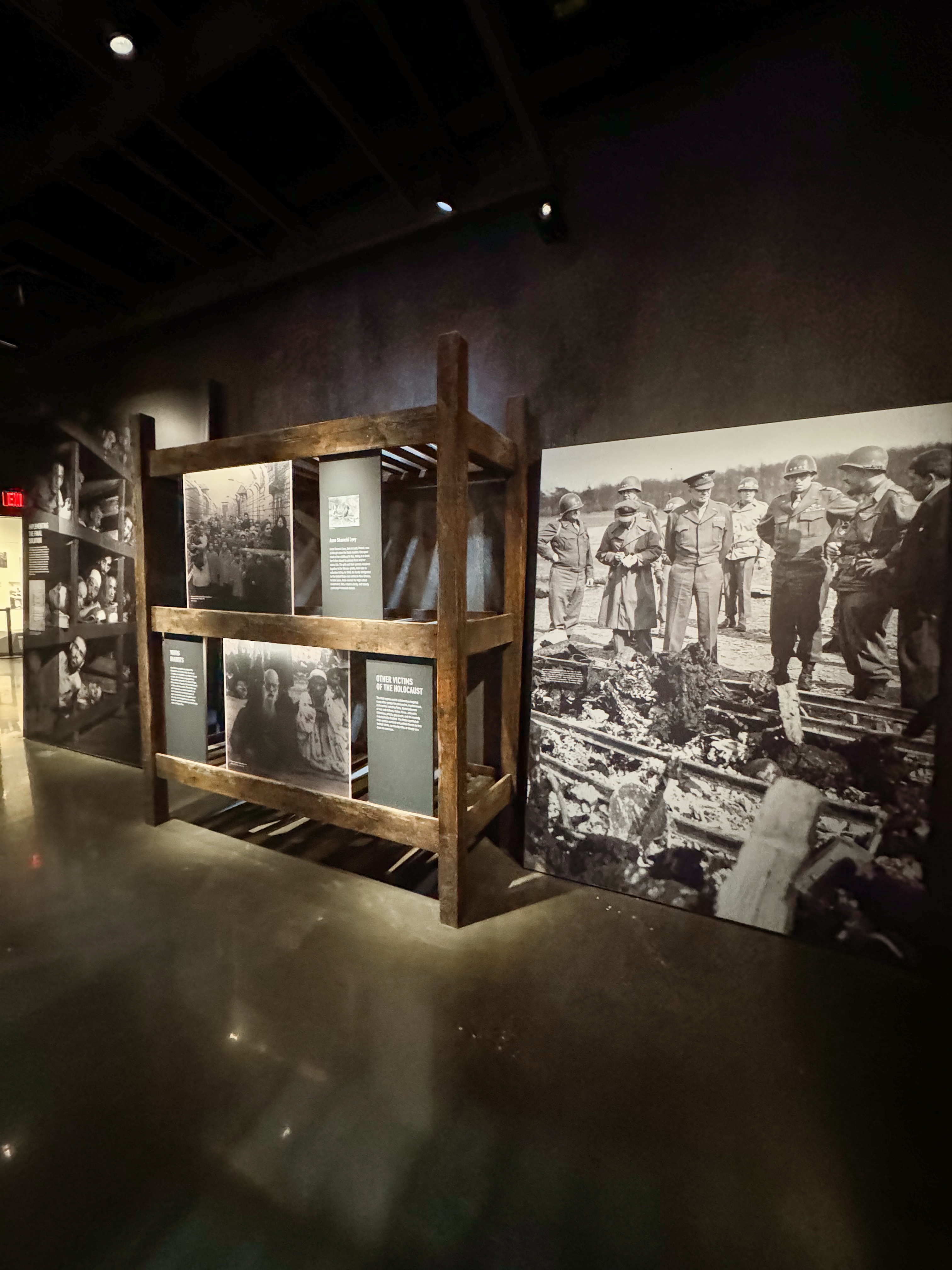
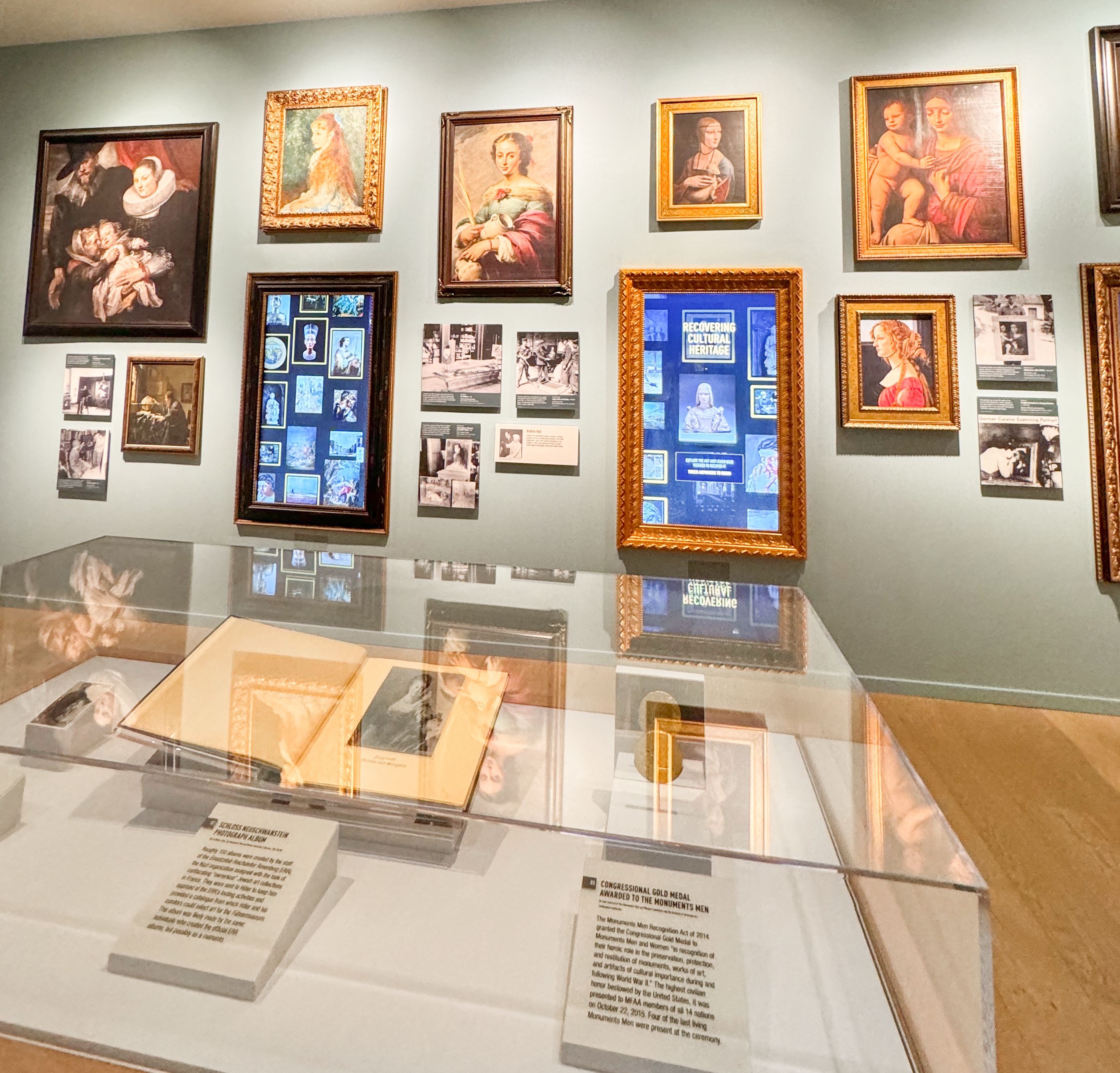
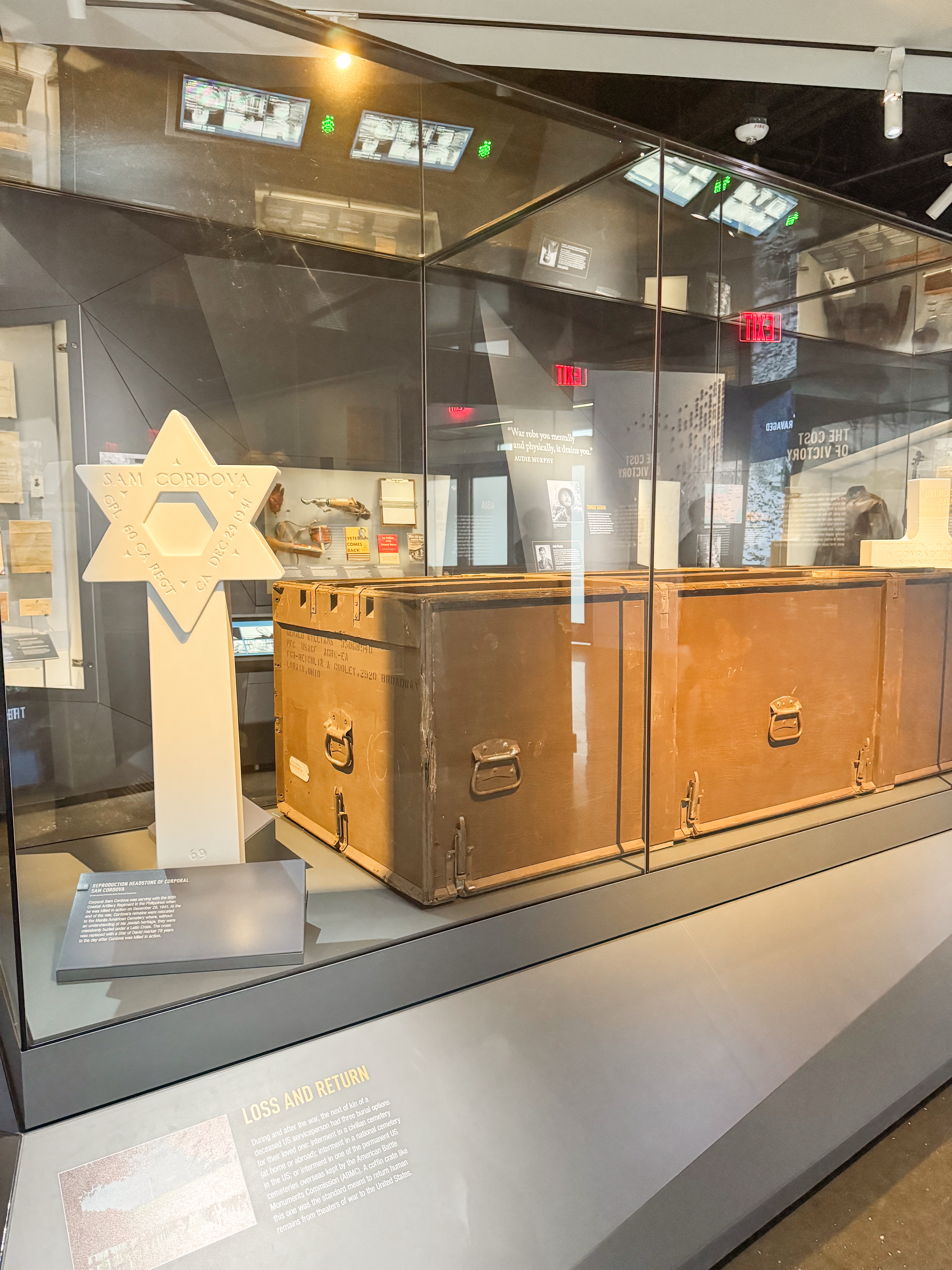
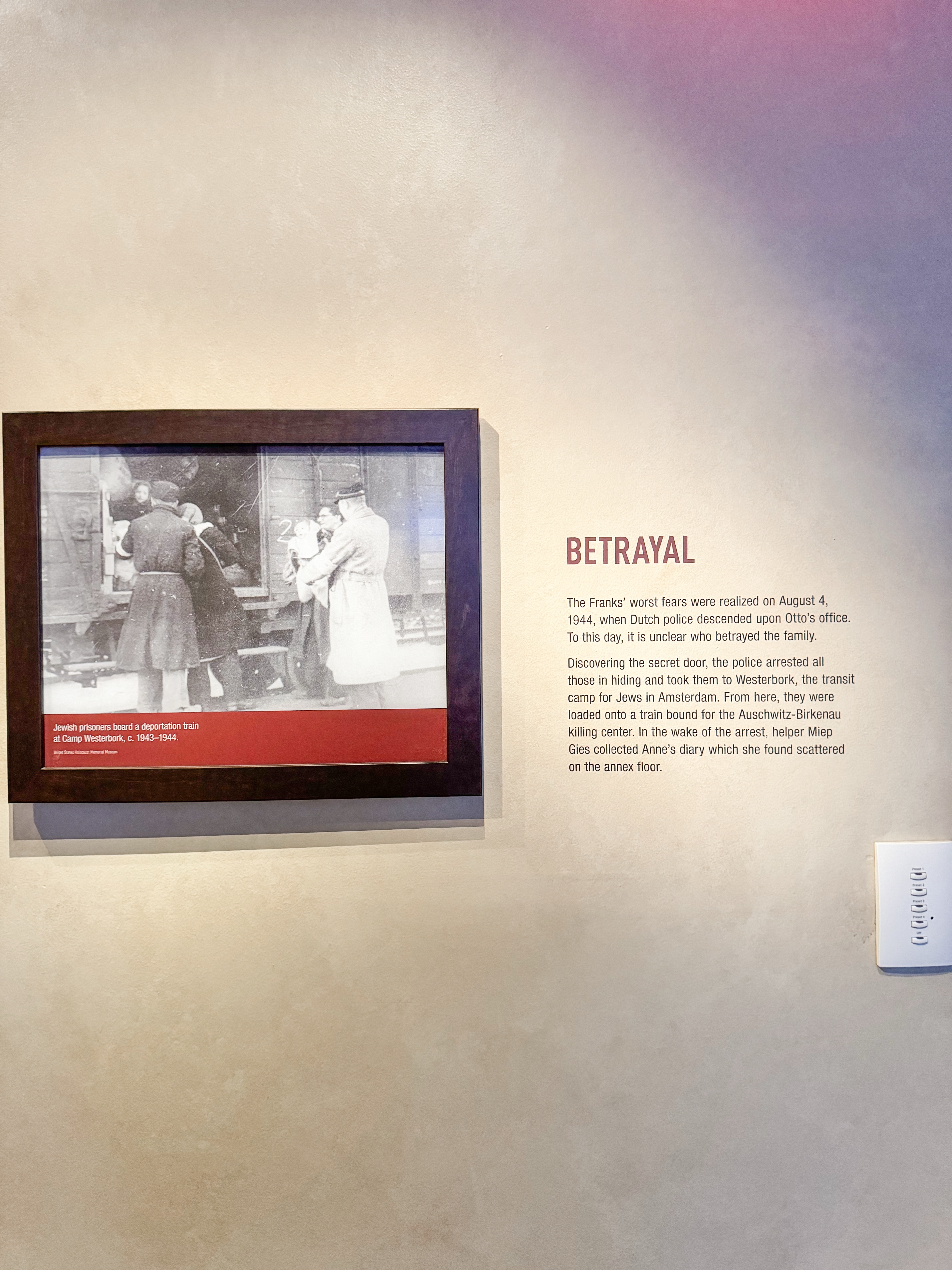
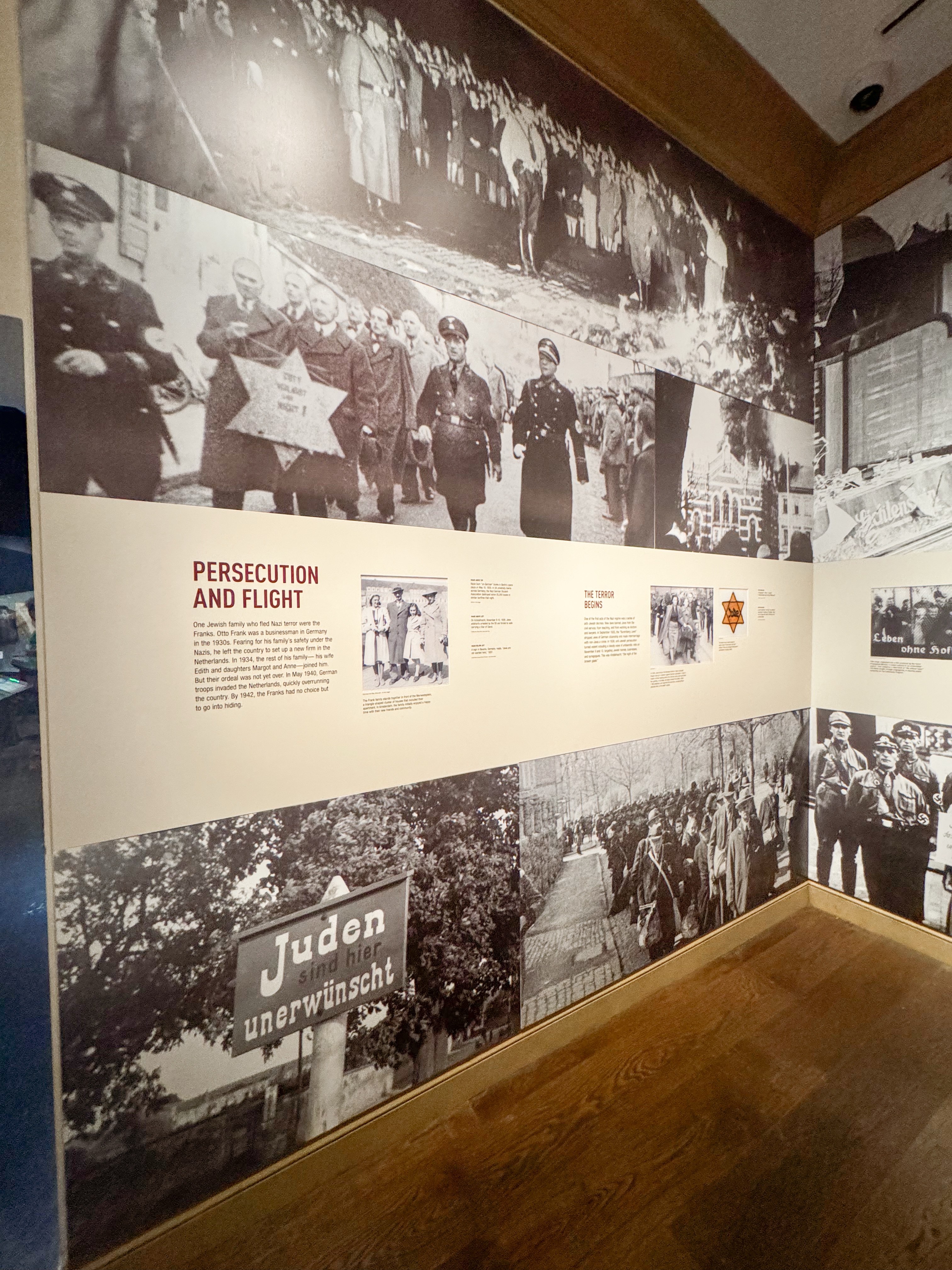
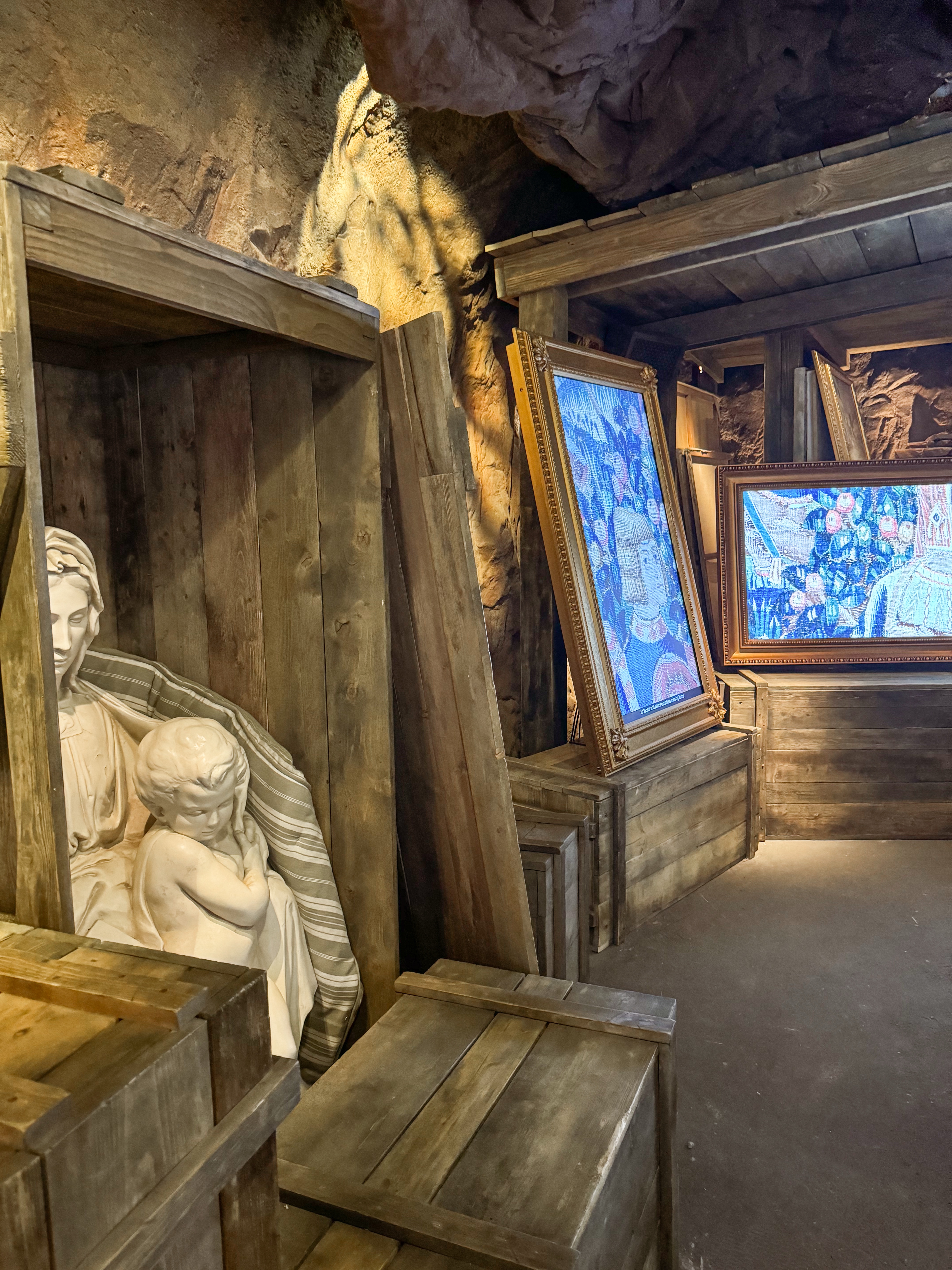
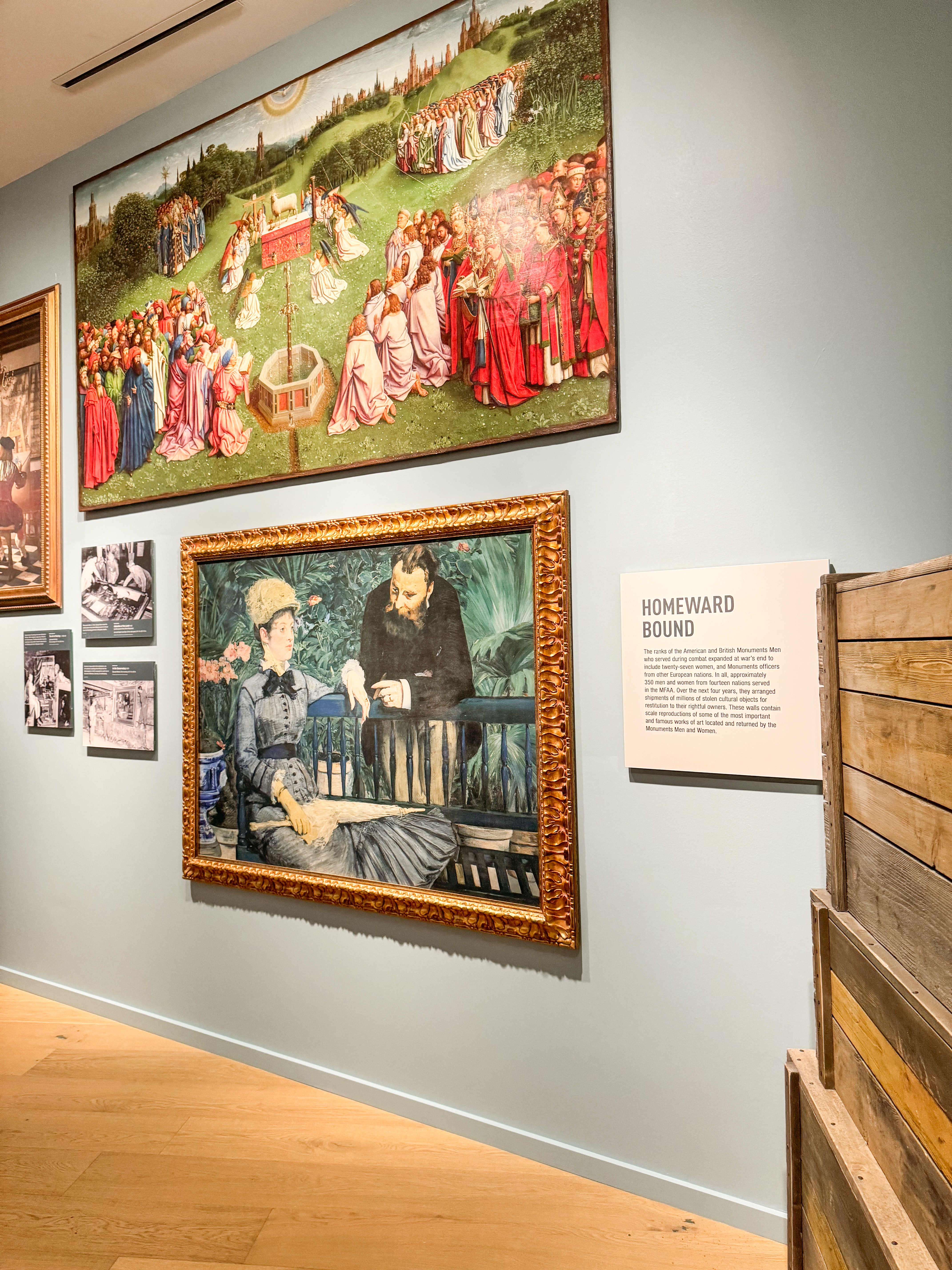
There is a section of the museum that honors and helps ensure that we do not forget about Anne Frank, the Holocaust, and the invaluable treasures that were stolen during this dark chapter of history. This dedicated area showcases not only the stories of those who suffered but also the cultural and artistic heritage that was lost, leaving a void that can never truly be filled. Some artifacts and memories may be forever lost, but the museum brilliantly captures the essence of what once was, allowing visitors to reflect on the past and understand its significance in shaping our present. It was extremely well done, seamlessly blending education with emotion to create a powerful experience that lingers in the hearts and minds of all who visit.